背景: 中絶拒否が女性の人生に与える影響はますます認識されつつあるが、中絶拒否の結果生まれた子どもの幸福についてはほとんど知られていない。私たちは、中絶拒否により生まれた子供たち(初発の子供たち)と、母親が中絶を受けてその後の妊娠から生まれた子供たち(その後の子供たち)との間で、幼児期の転帰を比較しました。 方法:5年間の前向きコホートネパールターンアウェイ研究(2019~2024年)からの縦断データには、初発児童とその後の児童が含まれている。私たちは母親の報告と直接の人体計測を通じて、栄養状態、健康、発育、家庭環境を評価しました。私たちは、中絶希望時の母体特性の違いのバランスを取るために、傾向スコア重み付けを備えた混合効果モデルを採用しました。 調査結果: インデックス (n = 274) と後続の子 (n = 421) の違いは、インデックスの子に悪影響を及ぼします。不利な点は、出生前に母親が緑色の葉物野菜と十分な量の食事に関してより制限された食事を報告したときに始まります。指標となる子どもは、後続の子どもよりも自宅で生まれる可能性が高い OR = 1.91 (95% CI: 1.01-3.61)、年上の兄弟との生後 24 か月未満、OR = 21.26 (95% CI: 4.39-102.85)、出生体重 2500g 未満の場合 OR = 1.92 (95% CI:1.17-3.16)。生後最初の数年間、指標となった子どもたちはその後の子どもたちよりも、収入が不十分な世帯で暮らし(42.3% 対 31.8%、p = 0.009)、急性栄養失調を経験する可能性が高かった(25.3% 対 17.4%、p = 0.011)。そして死亡する(0.7% vs 0.2% p = 0.038)。 解釈:中絶を拒否された後に生まれることは、幼児期に経済的および栄養的に不利な点と関連しており、中絶へのアクセスを制限することの世代間の影響を浮き彫りにしている。 資金提供: 米国国立衛生研究所およびデビッド & ルシル・パッカード財団。
背景: 中絶拒否が女性の人生に与える影響はますます認識されつつあるが、中絶拒否の結果生まれた子どもの幸福についてはほとんど知られていない。私たちは、中絶拒否により生まれた子供たち(初発の子供たち)と、母親が中絶を受けてその後の妊娠から生まれた子供たち(その後の子供たち)との間で、幼児期の転帰を比較しました。 方法:5年間の前向きコホートネパールターンアウェイ研究(2019~2024年)からの縦断データには、初発児童とその後の児童が含まれている。私たちは母親の報告と直接の人体計測を通じて、栄養状態、健康、発育、家庭環境を評価しました。私たちは、中絶希望時の母体特性の違いのバランスを取るために、傾向スコア重み付けを備えた混合効果モデルを採用しました。 調査結果: インデックス (n = 274) と後続の子 (n = 421) の違いは、インデックスの子に悪影響を及ぼします。不利な点は、出生前に母親が緑色の葉物野菜と十分な量の食事に関してより制限された食事を報告したときに始まります。指標となる子どもは、後続の子どもよりも自宅で生まれる可能性が高い OR = 1.91 (95% CI: 1.01-3.61)、年上の兄弟との生後 24 か月未満、OR = 21.26 (95% CI: 4.39-102.85)、出生体重 2500g 未満の場合 OR = 1.92 (95% CI:1.17-3.16)。生後最初の数年間、指標となった子どもたちはその後の子どもたちよりも、収入が不十分な世帯で暮らし(42.3% 対 31.8%、p = 0.009)、急性栄養失調を経験する可能性が高かった(25.3% 対 17.4%、p = 0.011)。そして死亡する(0.7% vs 0.2% p = 0.038)。 解釈:中絶を拒否された後に生まれることは、幼児期に経済的および栄養的に不利な点と関連しており、中絶へのアクセスを制限することの世代間の影響を浮き彫りにしている。 資金提供: 米国国立衛生研究所およびデビッド & ルシル・パッカード財団。
BACKGROUND: The consequences of abortion denial for women's lives are increasingly recognized, but little is known about the well-being of children born as a result of denied abortion. We compared early childhood outcomes between children born due to abortion denial (index children) and children born from a subsequent pregnancy after their mother received an abortion (subsequent children). METHODS: Longitudinal data from the five-year prospective cohort Nepal Turnaway Study (2019-2024) include index children and subsequent children. We assessed nutritional status, health, development, and household conditions through maternal report and direct anthropometric measurement. We employed mixed effects models with propensity score weighting to balance differences in maternal characteristics at time of abortion-seeking. FINDINGS: Differences between index (n = 274) and subsequent (n = 421) children are to the detriment of index children. Disadvantage starts before birth when their mothers reported more limited diets in terms of green leafy vegetables and sufficient quantity of food. Index children are more likely than subsequent children to be born at home OR = 1.91 (95% CI: 1.01-3.61), less than 24 months from an older sibling OR = 21.26 (95% CI: 4.39-102.85) and at a birthweight below 2500g OR = 1.92 (95% CI: 1.17-3.16). In their first years of life, index children were more likely than subsequent children to live in households with inadequate income (42.3% vs 31.8% p = 0.009), experience acute malnutrition (25.3% vs 17.4% p = 0.011); and die (0.7% vs 0.2% p = 0.038). INTERPRETATION: Being born after abortion denial is associated with economic and nutritional disadvantage in early childhood, underscoring the intergenerational consequences of restricting access to abortion. FUNDING: The U.S. National Institute of Health and the David and Lucile Packard Foundation.
医師のための臨床サポートサービス
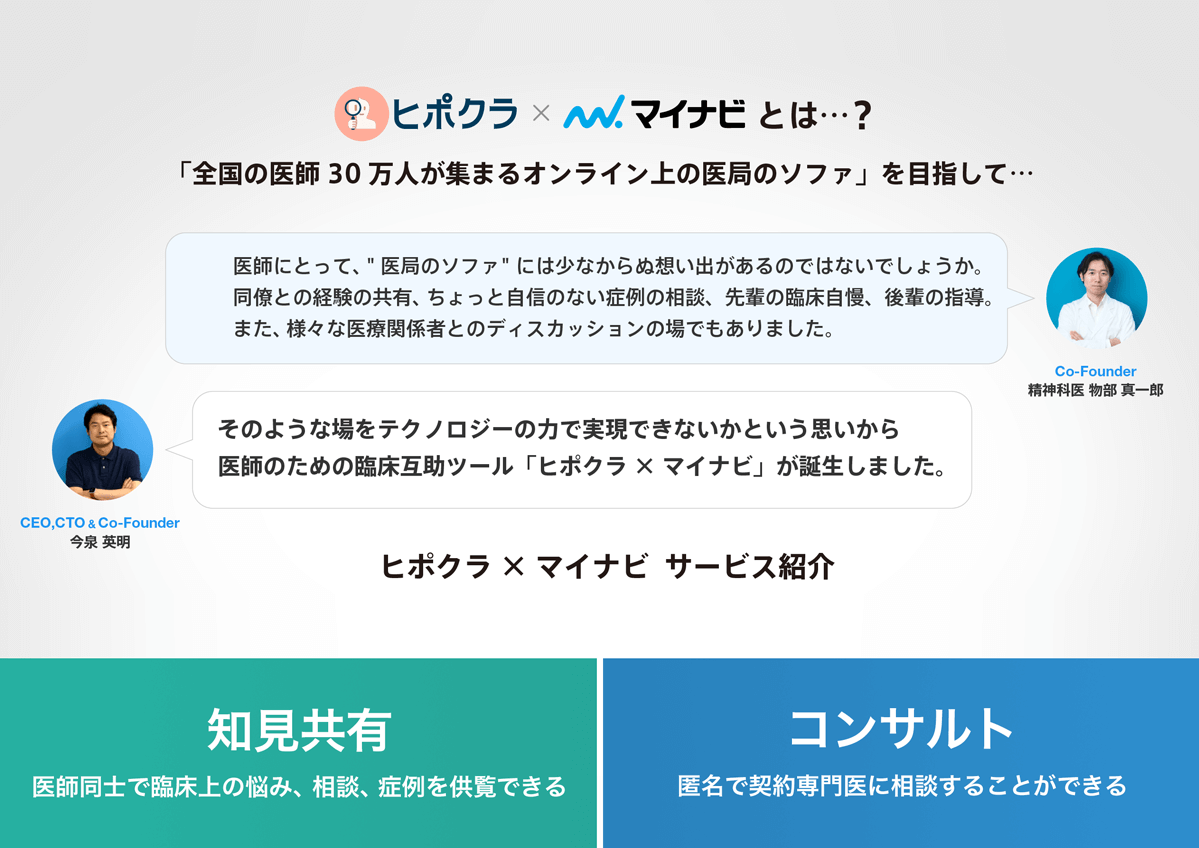
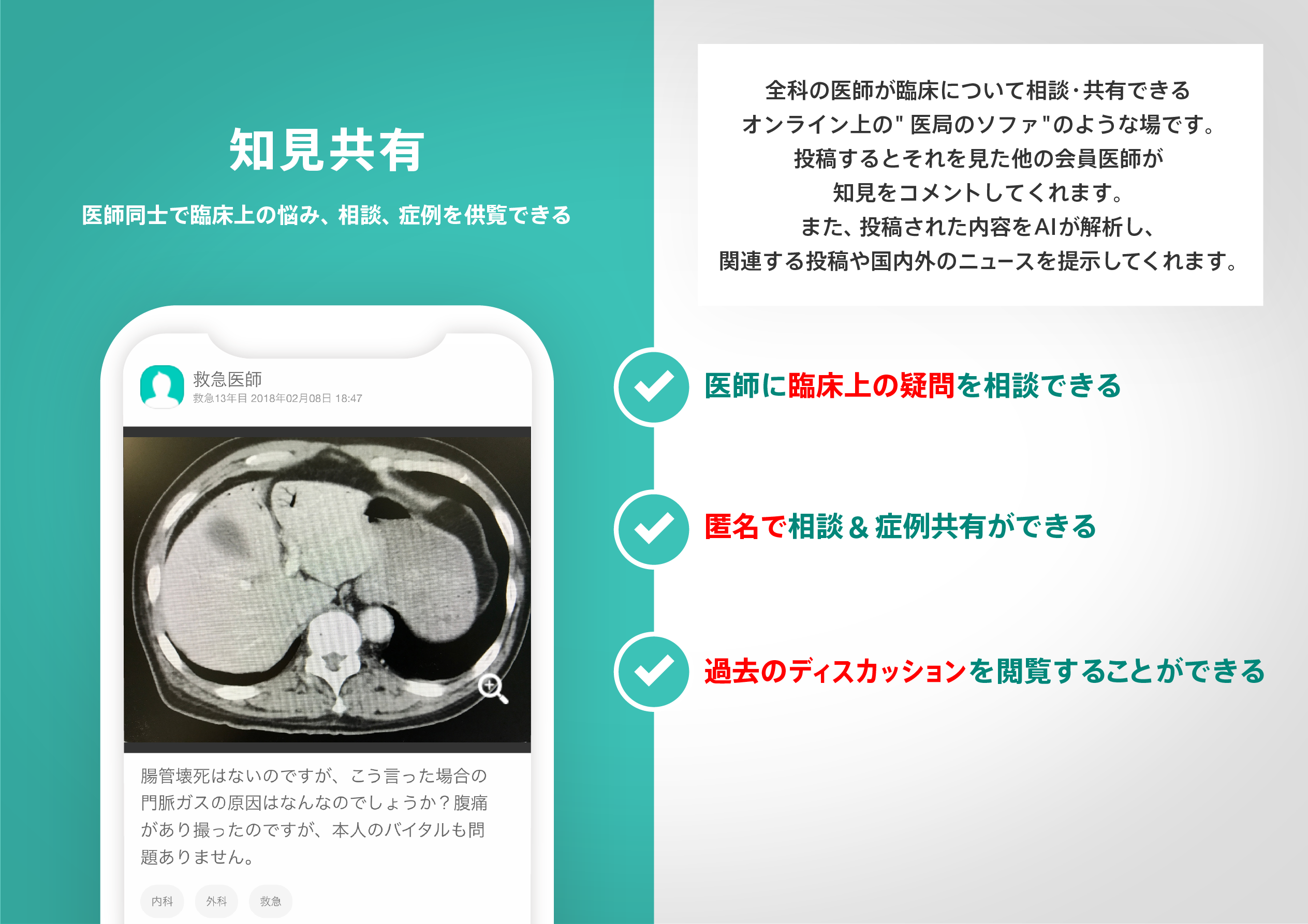
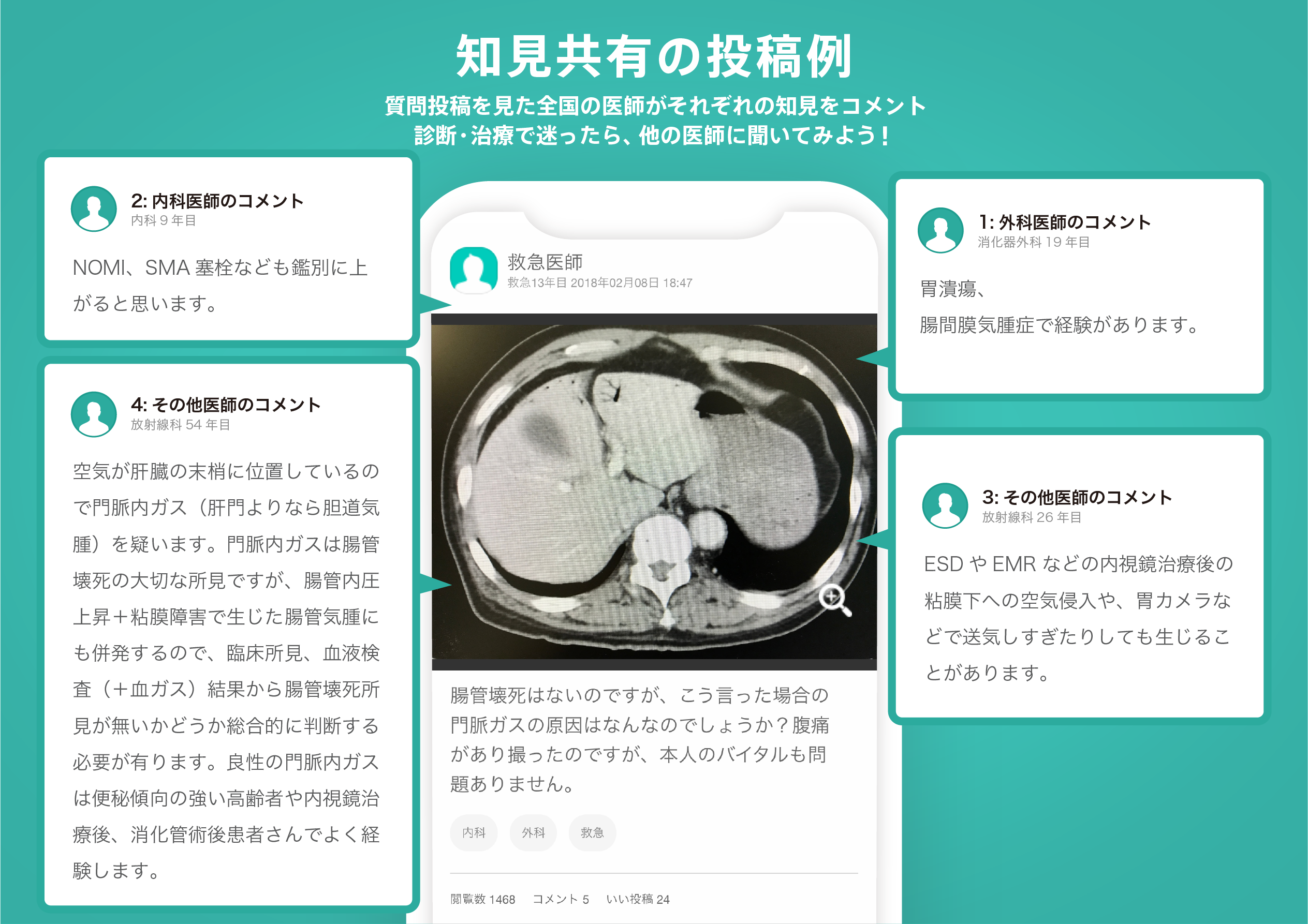
ヒポクラ x マイナビのご紹介



無料会員登録していただくと、さらに便利で効率的な検索が可能になります。