運動失語症は、虚血性脳卒中(IS)に続く失語症の最も一般的なタイプです。この研究は、IS後の運動失語症に対する鍼治療リハビリテーション(A-R)療法の治療効果とその根底にある神経機構を評価することを目的としています。IS後の運動性失語症患者26名が、1:1の比率でA-R群または従来型リハビリテーション(CR)群のいずれかに無作為に割り当てられ、年齢と性別によって26人の健康対照(HC)と対応付けられた。CRグループは標準治療と言語訓練を受け、A-Rグループは追加で頭皮ツボクラスター鍼治療を受けた。行動評価と血中酸素濃度依存型機能的磁気共鳴画像法(BOLD-fMRI)スキャンは、治療結果と根底にあるメカニズムを評価するために、4週間の介入の前後に実施されました。HCと比較して、患者は右楔前部の低周波変動振幅(ALFF)の減少(p < 0.05)、左楔前部/中心後回の領域均一性(ReHo)の減少(p < 0.05)を示しました。機能的結合性(FC)の強化は、左ブローカ野と右上側頭回、左ブローカ野と右下前頭回、左ブローカ野と右中心前回、左ブローカ野と右中心後回を含む領域で観察された(p < 0.05)。介入後、両方の患者グループで失語症指数(AQ)スコアとサブ項目のパフォーマンスに有意な改善が観察され(p < 0.05)、A-RグループはCRグループと比較してAQと自発発話スコアの大きな増加を示しました(p < 0.05)。FMRIの結果は、A-R治療前と比較して、A-R治療後の左下側頭回の平均ALFF(mALFF)が有意に増加し(p < 0.05)、CR群と比較して左前中心回のszReHoが高い(p < 0.05)ことを示しました。左ブローカ野と右中心前回の間のFCはA-R群で減少した(p < 0.05)。さらに、右前中心回と聴解力の間に負の相関が観察されました(r = -0.574、p = 0.020)。この発見は、A-R療法とCR療法の両方がIS後の運動性失語症患者の言語機能を強化し、A-R療法が優れた有効性を示していることを示唆しています。A-R の治療メカニズムには、左半球の脳領域の活性化、右半球の活動の抑制、および機能回復を促進するための半球バランスの回復が含まれる可能性があります。
運動失語症は、虚血性脳卒中(IS)に続く失語症の最も一般的なタイプです。この研究は、IS後の運動失語症に対する鍼治療リハビリテーション(A-R)療法の治療効果とその根底にある神経機構を評価することを目的としています。IS後の運動性失語症患者26名が、1:1の比率でA-R群または従来型リハビリテーション(CR)群のいずれかに無作為に割り当てられ、年齢と性別によって26人の健康対照(HC)と対応付けられた。CRグループは標準治療と言語訓練を受け、A-Rグループは追加で頭皮ツボクラスター鍼治療を受けた。行動評価と血中酸素濃度依存型機能的磁気共鳴画像法(BOLD-fMRI)スキャンは、治療結果と根底にあるメカニズムを評価するために、4週間の介入の前後に実施されました。HCと比較して、患者は右楔前部の低周波変動振幅(ALFF)の減少(p < 0.05)、左楔前部/中心後回の領域均一性(ReHo)の減少(p < 0.05)を示しました。機能的結合性(FC)の強化は、左ブローカ野と右上側頭回、左ブローカ野と右下前頭回、左ブローカ野と右中心前回、左ブローカ野と右中心後回を含む領域で観察された(p < 0.05)。介入後、両方の患者グループで失語症指数(AQ)スコアとサブ項目のパフォーマンスに有意な改善が観察され(p < 0.05)、A-RグループはCRグループと比較してAQと自発発話スコアの大きな増加を示しました(p < 0.05)。FMRIの結果は、A-R治療前と比較して、A-R治療後の左下側頭回の平均ALFF(mALFF)が有意に増加し(p < 0.05)、CR群と比較して左前中心回のszReHoが高い(p < 0.05)ことを示しました。左ブローカ野と右中心前回の間のFCはA-R群で減少した(p < 0.05)。さらに、右前中心回と聴解力の間に負の相関が観察されました(r = -0.574、p = 0.020)。この発見は、A-R療法とCR療法の両方がIS後の運動性失語症患者の言語機能を強化し、A-R療法が優れた有効性を示していることを示唆しています。A-R の治療メカニズムには、左半球の脳領域の活性化、右半球の活動の抑制、および機能回復を促進するための半球バランスの回復が含まれる可能性があります。
Motor aphasia is the most prevalent type of aphasia following ischemic stroke (IS). This study aims to evaluate the therapeutic efficacy and underlying neural mechanisms of acupuncture-rehabilitation (A-R) therapy on motor aphasia after IS. Twenty-six patients with post-IS motor aphasia were randomly assigned to either the A-R group or the Conventional Rehabilitation (CR) group in a 1:1 ratio, and matched by age and gender with 26 healthy controls (HCs). The CR group received standard treatment and language training, while the A-R group additionally underwent scalp acupoint cluster acupuncture. Behavioral assessments and Blood Oxygenation Level Dependent functional Magnetic Resonance Imaging (BOLD-fMRI) scans were conducted before and after the four-week intervention to evaluate therapeutic outcomes and underlying mechanisms. Compared to HCs, patients exhibited decreased Amplitude of Low Frequency Fluctuations (ALFF) in the right precuneus (p < 0.05) and reduced Regional Homogeneity (ReHo) in the left precuneus/postcentral gyrus (p < 0.05). Enhanced functional connectivity (FC) was observed in regions including the left Broca's area and right superior temporal gyrus, left Broca's area and right inferior frontal orbitalis gyrus, left Broca's area and right precentral gyrus, left Broca's area and right postcentral gyrus (p < 0.05). After intervention, significant improvements were observed in Aphasia Quotient (AQ) scores and sub-item performance in both patient groups (p < 0.05), with the A-R group showing greater gains in AQ and spontaneous speech scores compared to the CR group (p < 0.05). FMRI results indicated a significant increase in mean ALFF (mALFF) in the left inferior temporal gyrus after A-R treatment (p < 0.05) compared to before, and higher szReHo in the left anterior central gyrus compared to the CR group (p < 0.05). FC between the left Broca's area and right precentral gyrus decreased in the A-R group (p < 0.05). Additionally, a negative correlation was observed between the right anterior central gyrus and listening comprehension (r = -0.574, p = 0.020). The findings suggest that both A-R and CR therapies enhance language function in patients with motor aphasia post-IS, with A-R therapy demonstrating superior efficacy. The therapeutic mechanism of A-R likely involves activating left hemisphere brain regions, suppressing right hemisphere activity, and restoring hemispheric balance to facilitate functional recovery.
医師のための臨床サポートサービス
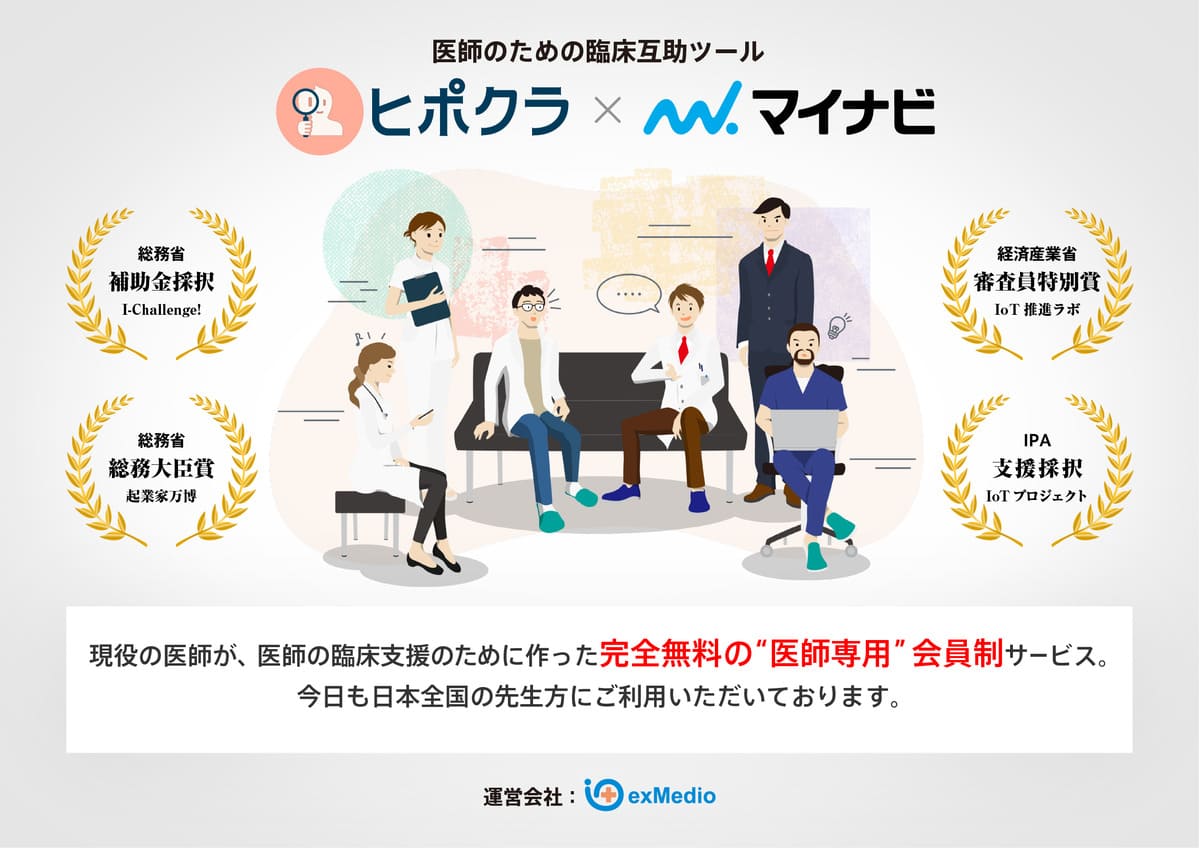
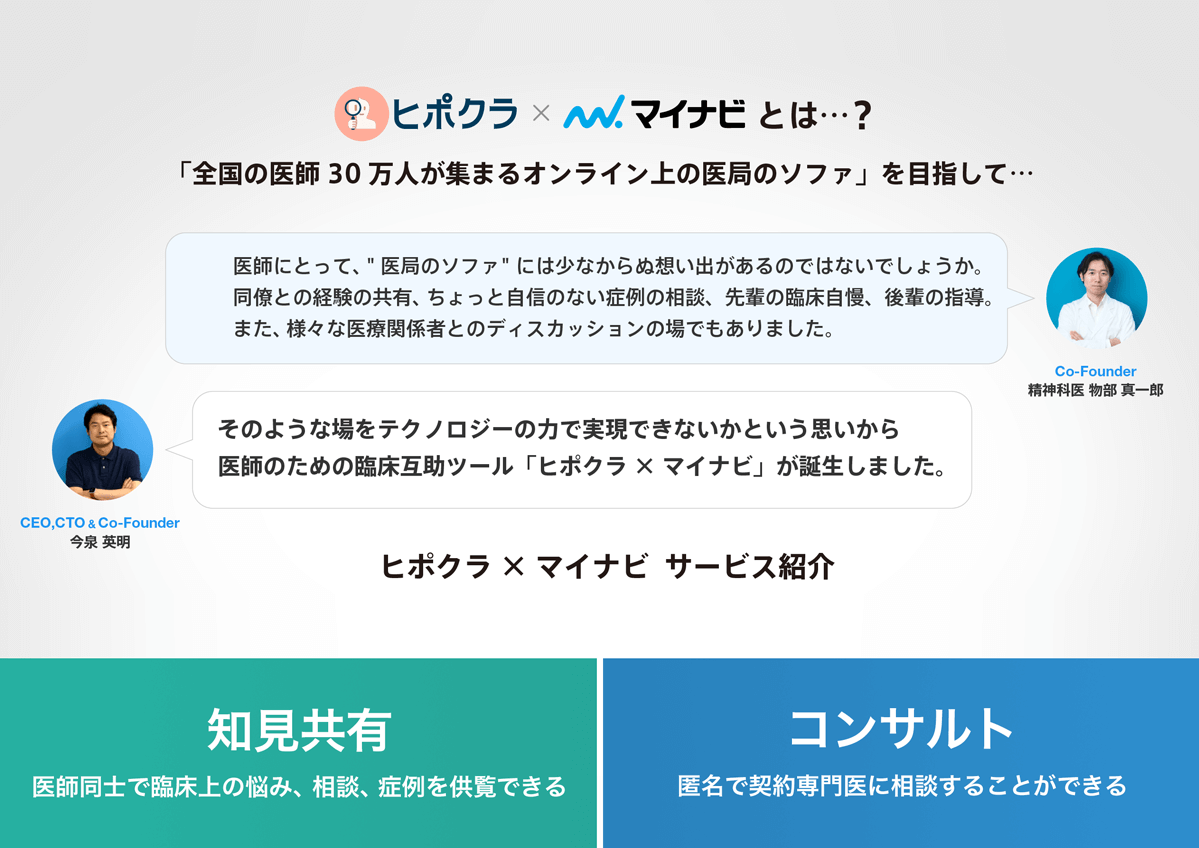
ヒポクラ x マイナビのご紹介
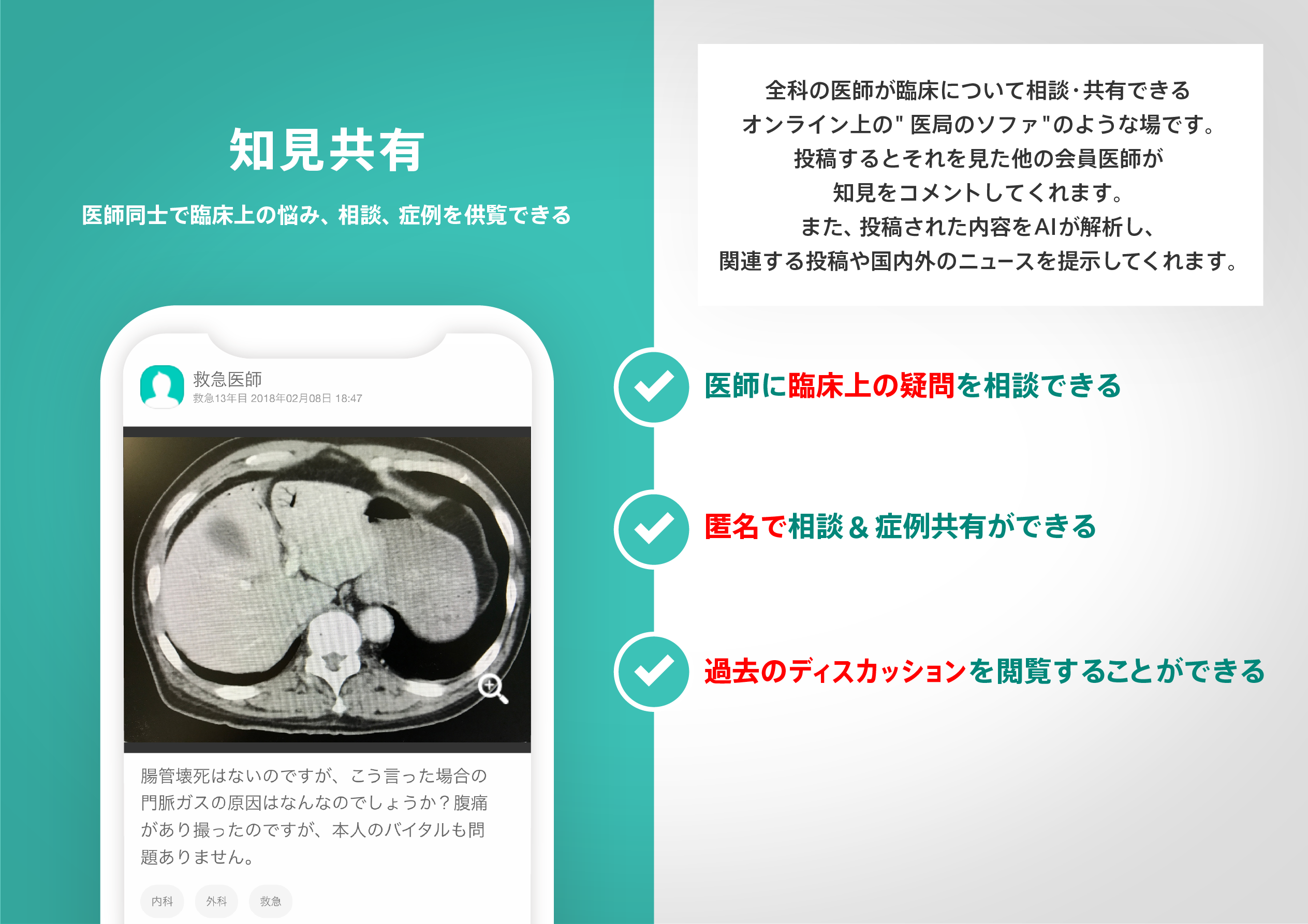
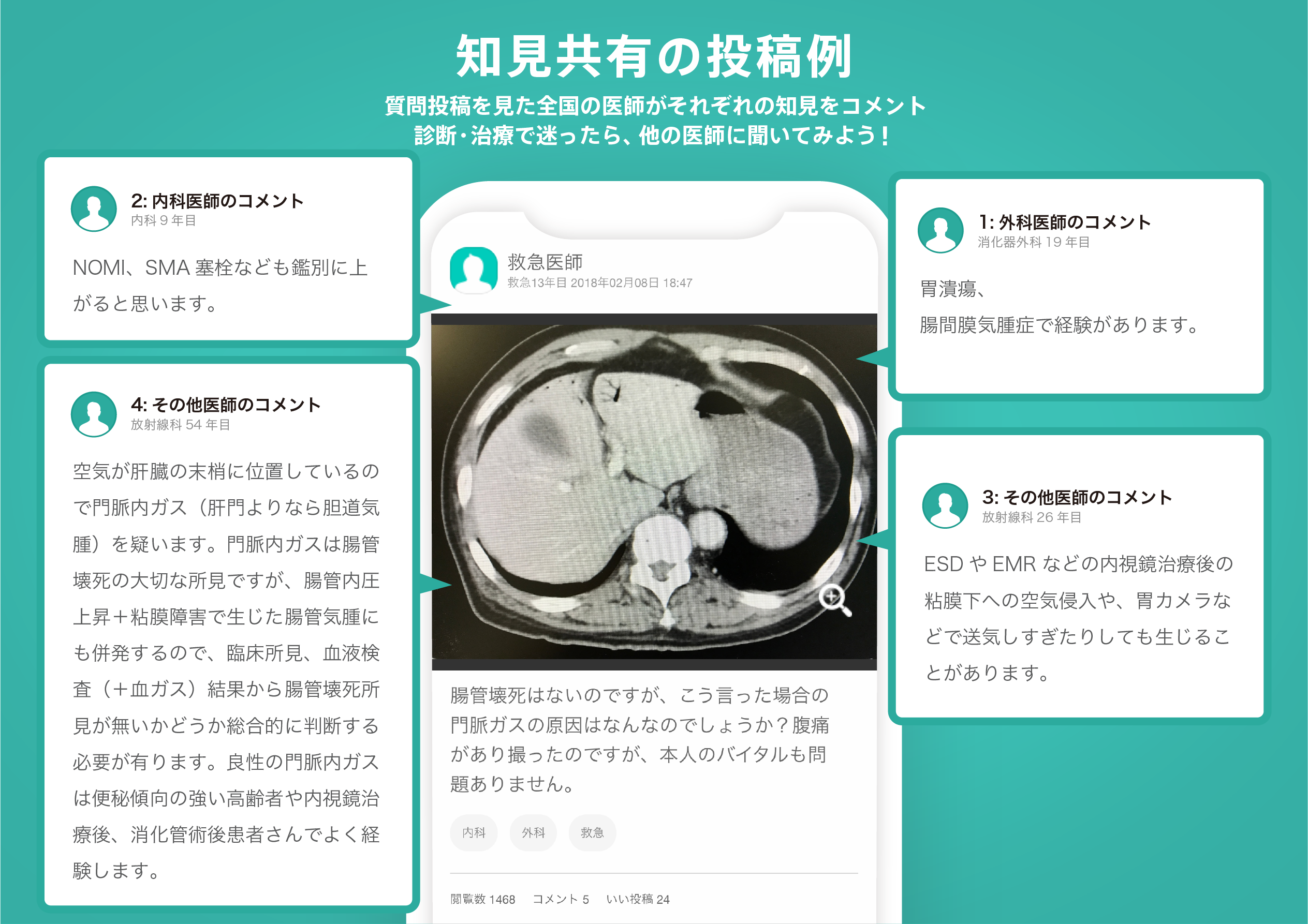
無料会員登録していただくと、さらに便利で効率的な検索が可能になります。