著名医師による解説が無料で読めます
すると翻訳の精度が向上します
いくつかの神経および血管メカニズムは、頸動脈化学受容体の低酸素、高炭酸症、およびアシドーシスに対する感受性を調節します。グロムス細胞からのカテコールアミン放出を増強または減少させるものとともに、頸動脈の血流と酸素送達を制御する因子は、化学受容体機能に大きな影響を与える可能性があります。さらに、感覚神経自体は、化学受容体感受性の調節に関与する可能性があります。頸動脈の体の感覚神経の一部は、グロムス細胞に対するシナプス前です。刺激に応じて、感覚神経終末は、運動神経からの送信機の増加に関連する変化に似た超微細構造の変化を示します。1)小さい(シナプス)小胞の数は減少します。2)刺激中の水槽膜のコーティング領域と水槽の数が増加する領域。頸動脈の感覚神経が神経伝達物質を放出すると、感覚神経活動はカテコールアミンまたは他の物質のグロムス細胞分泌に影響を与える可能性があります。このような効果は、低酸素症および感覚神経を刺激する他の条件によって頸動脈に生成されるか、CNSの端子の一次求心性脱分極により感覚神経に誘発された逆再alticapy活性に起因する可能性があります。
いくつかの神経および血管メカニズムは、頸動脈化学受容体の低酸素、高炭酸症、およびアシドーシスに対する感受性を調節します。グロムス細胞からのカテコールアミン放出を増強または減少させるものとともに、頸動脈の血流と酸素送達を制御する因子は、化学受容体機能に大きな影響を与える可能性があります。さらに、感覚神経自体は、化学受容体感受性の調節に関与する可能性があります。頸動脈の体の感覚神経の一部は、グロムス細胞に対するシナプス前です。刺激に応じて、感覚神経終末は、運動神経からの送信機の増加に関連する変化に似た超微細構造の変化を示します。1)小さい(シナプス)小胞の数は減少します。2)刺激中の水槽膜のコーティング領域と水槽の数が増加する領域。頸動脈の感覚神経が神経伝達物質を放出すると、感覚神経活動はカテコールアミンまたは他の物質のグロムス細胞分泌に影響を与える可能性があります。このような効果は、低酸素症および感覚神経を刺激する他の条件によって頸動脈に生成されるか、CNSの端子の一次求心性脱分極により感覚神経に誘発された逆再alticapy活性に起因する可能性があります。
Several neural and vascular mechanisms regulate the sensitivity of carotid body chemoreceptors to hypoxia, hypercapnia, and acidosis. Factors that control blood flow and oxygen delivery in the carotid body along with those that augment or diminish catecholamine release from glomus cells can have major effects on chemoreceptor function. In addition, the sensory nerves themselves may participate in the regulation of chemoreceptor sensitivity. A portion of the carotid body's sensory nerves are presynaptic to glomus cells. In response to stimulation, the sensory nerve terminals exhibit ultrastructural changes that resemble changes associated with increased release of transmitter from motor nerves: 1) the number of small (synaptic) vesicles decreases; and 2) coated vesicles and coated regions of cisternal membrane increase in number during stimulation. If sensory nerves of the carotid body release a neurotransmitters, sensory nerve activity could influence glomus cell secretion of catecholamines or other substances tha modify chemoreceptor sensitivity. Such an effect could be produced in the carotid body by hypoxia and other conditions that stimulate the sensory nerves or it could result from antidromic activity evoked in the sensory nerves by primary afferent depolarization of their terminals in the CNS.
医師のための臨床サポートサービス
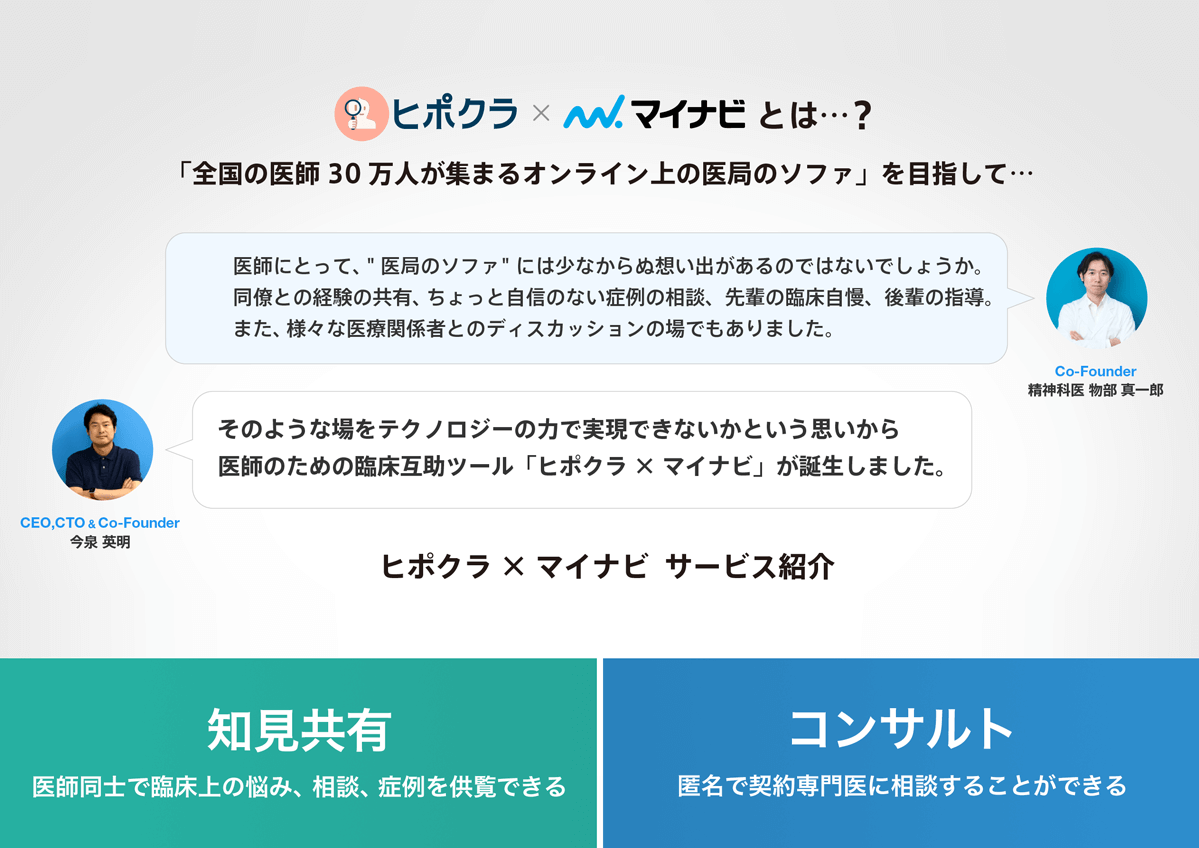
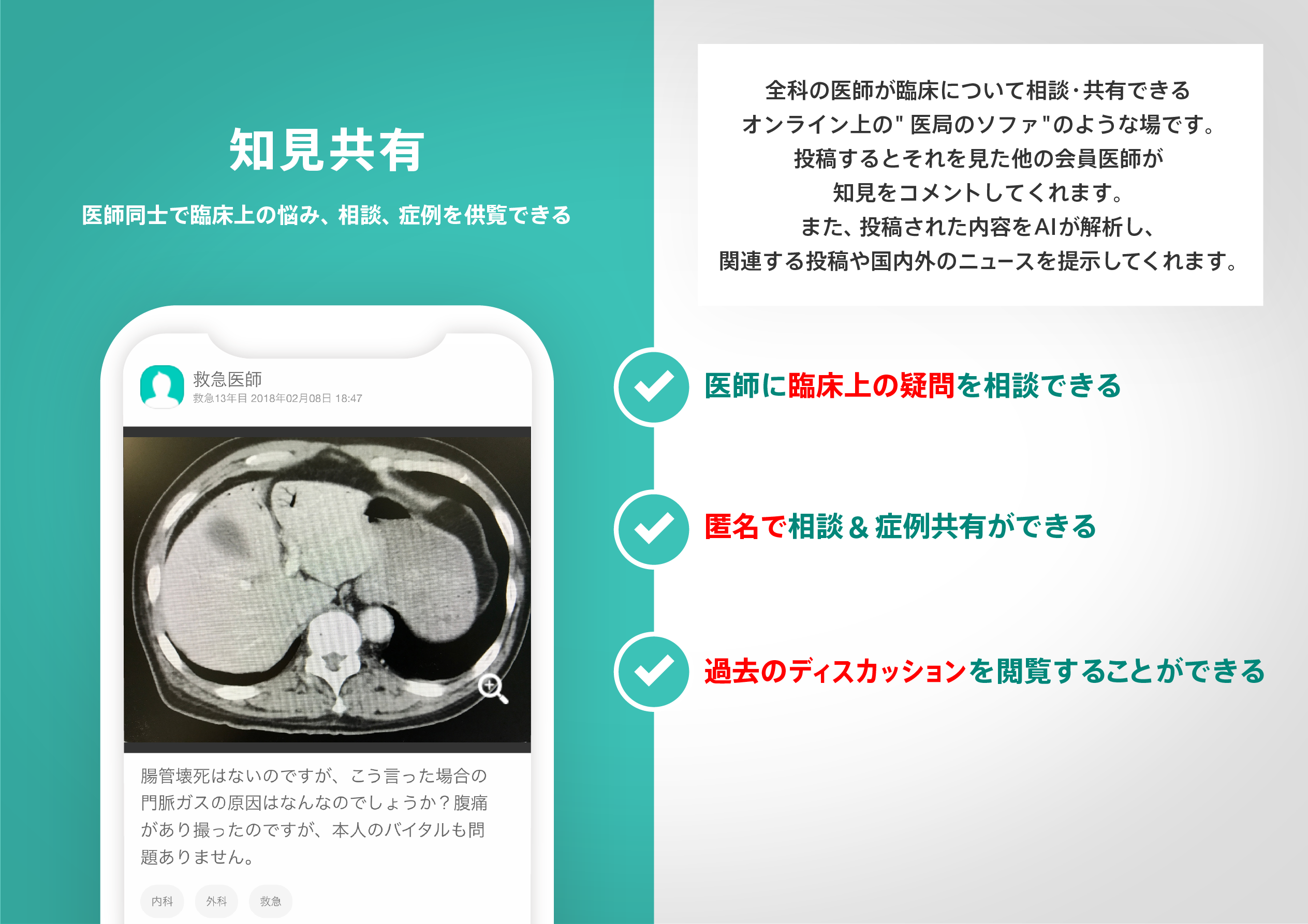
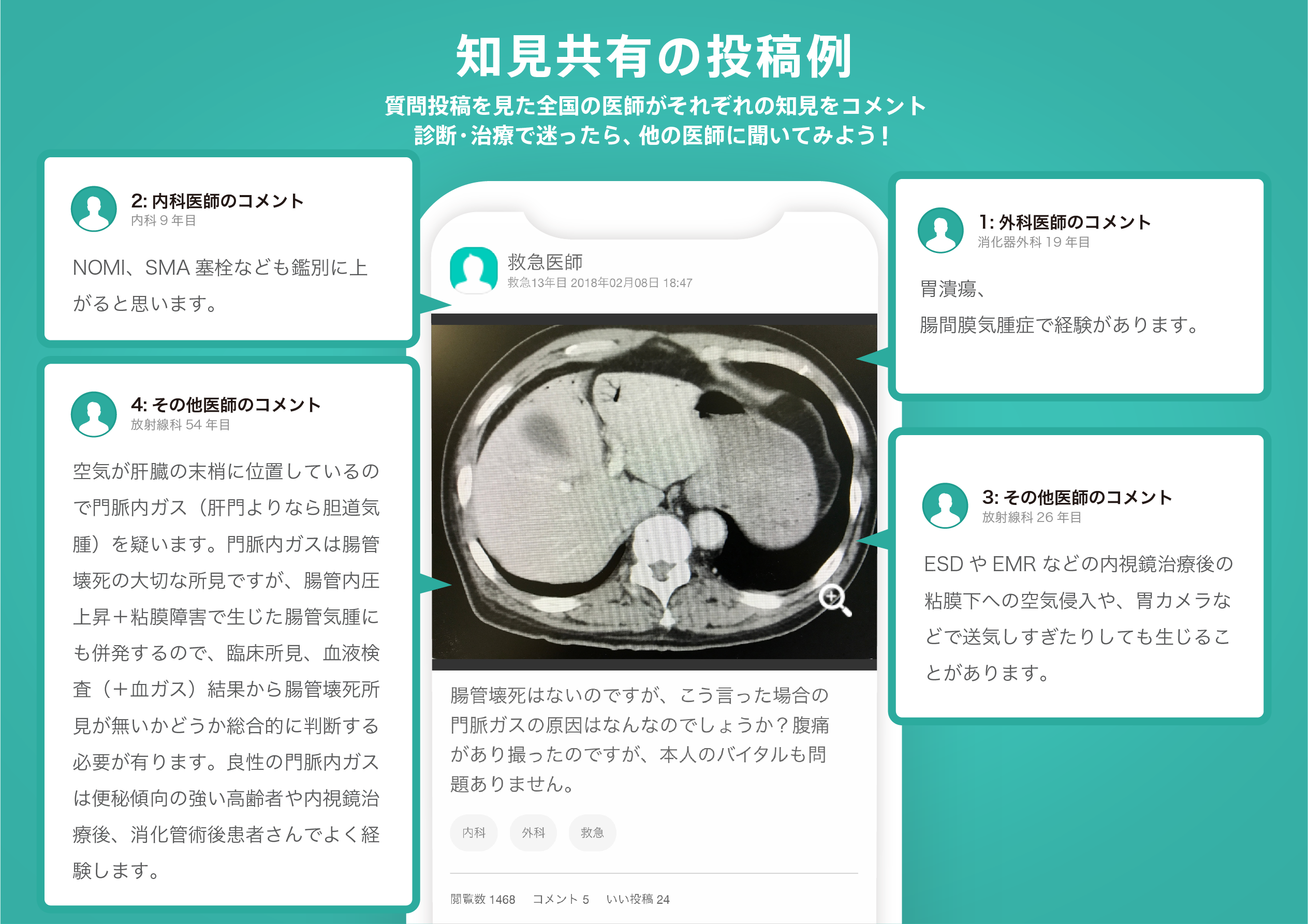
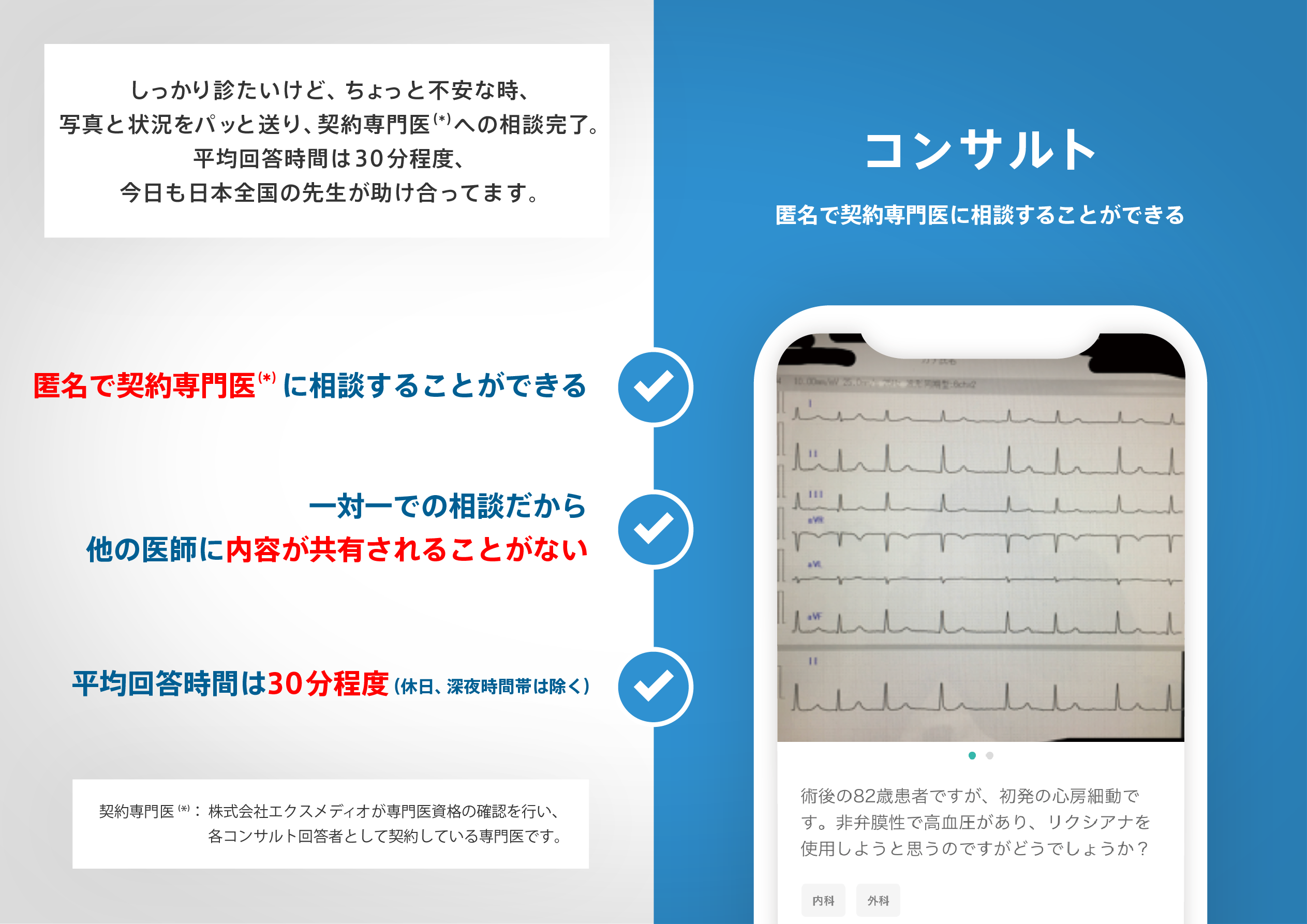
ヒポクラ x マイナビのご紹介

無料会員登録していただくと、さらに便利で効率的な検索が可能になります。