著名医師による解説が無料で読めます
すると翻訳の精度が向上します
塩化グアニジニウムでの変性中の抗トロンビンIIIにおける2つの展開ドメインの存在が以前に報告されています(Villanueva、G。B.、およびAllen、N。(1983)J。Biol。Chem。258、11010-11013)。現在の研究では、抗トロンビンIIIに関する再展開研究の結果を報告します。循環二色性と固有の蛍光研究により、低安定性の最初の展開ドメイン(0.7 M塩化グアニジニウムグアニジニウムの中点)は再生時に不可逆的であることが実証されていますが、2番目の折り畳み式ドメイン(2.3 M塩化グアニジニウムの中点)は反応します。最初のドメインの構造的特徴を失ったAT-IIIRと呼ばれるアンチトロンビンIIIの中間型が調査されました。凝固アッセイと電気泳動分析により、AT-IIIRはヘパリン補因子活性の60%を失ったが、トロンビンと硫酸ナトリウム安定錯体を形成できることが示されました。この分子の特定の領域は、天然のアンチトロンビンIIIの立体構造に繰り返されませんが、トリプトファン残基は、天然の状態と同一の立体構造に繰り返します。これは、蛍光消光、溶媒摂動、化学修飾研究によって実証されました。ただし、ヘパリンが抗トロンビンIIIに結合したときに発生するトリプトファンを獲得した蛍光増強と吸収差スペクトルは、70%減少します。これらのデータに基づいて、ヘパリンのアンチトロンビンIIIへの結合は、2段階のメカニズムの観点から解釈されます。主な結合は、トリプトファンのない領域で発生し、その後にトリプトファン環境に影響を与える二次立体構造再配置が続きます。ヘパリンとアンチトロンビンIIIの結合のメカニズムは、以前は速度論的方法によって研究されており、データは2段階のメカニズムもサポートしています。同じ問題に対してまったく異なるアプローチを採用しているこれら2つの研究の合意は、この仮定メカニズムの妥当性を支持することを支持します。
塩化グアニジニウムでの変性中の抗トロンビンIIIにおける2つの展開ドメインの存在が以前に報告されています(Villanueva、G。B.、およびAllen、N。(1983)J。Biol。Chem。258、11010-11013)。現在の研究では、抗トロンビンIIIに関する再展開研究の結果を報告します。循環二色性と固有の蛍光研究により、低安定性の最初の展開ドメイン(0.7 M塩化グアニジニウムグアニジニウムの中点)は再生時に不可逆的であることが実証されていますが、2番目の折り畳み式ドメイン(2.3 M塩化グアニジニウムの中点)は反応します。最初のドメインの構造的特徴を失ったAT-IIIRと呼ばれるアンチトロンビンIIIの中間型が調査されました。凝固アッセイと電気泳動分析により、AT-IIIRはヘパリン補因子活性の60%を失ったが、トロンビンと硫酸ナトリウム安定錯体を形成できることが示されました。この分子の特定の領域は、天然のアンチトロンビンIIIの立体構造に繰り返されませんが、トリプトファン残基は、天然の状態と同一の立体構造に繰り返します。これは、蛍光消光、溶媒摂動、化学修飾研究によって実証されました。ただし、ヘパリンが抗トロンビンIIIに結合したときに発生するトリプトファンを獲得した蛍光増強と吸収差スペクトルは、70%減少します。これらのデータに基づいて、ヘパリンのアンチトロンビンIIIへの結合は、2段階のメカニズムの観点から解釈されます。主な結合は、トリプトファンのない領域で発生し、その後にトリプトファン環境に影響を与える二次立体構造再配置が続きます。ヘパリンとアンチトロンビンIIIの結合のメカニズムは、以前は速度論的方法によって研究されており、データは2段階のメカニズムもサポートしています。同じ問題に対してまったく異なるアプローチを採用しているこれら2つの研究の合意は、この仮定メカニズムの妥当性を支持することを支持します。
The presence of two unfolding domains in antithrombin III during its denaturation in guanidinium chloride has previously been reported (Villanueva, G. B., and Allen, N. (1983) J. Biol. Chem. 258, 11010-11013). In the present work, we report the results of refolding studies on antithrombin III. Circular dichroism and intrinsic fluorescence studies have demonstrated that the first unfolding domain of low stability (midpoint at 0.7 M guanidinium chloride) is irreversible upon renaturation, whereas the second unfolding domain (midpoint at 2.3 M guanidinium chloride) is reversible. The intermediate form of antithrombin III, termed AT-IIIR, which has lost the structural features of the first domain was investigated. Clotting assays and electrophoretic analyses showed that AT-IIIR had lost 60% of heparin cofactor activity but was still capable of forming sodium dodecyl sulfate-stable complexes with thrombin. Although certain regions of this molecule do not refold to the conformation of native antithrombin III, the tryptophan residues refold to a conformation identical with the native state. This was demonstrated by fluorescence quenching, solvent perturbation, and chemical modification studies. However, the tryptophan-ascribed fluorescence enhancement and absorption difference spectrum which occur when heparin binds to antithrombin III are reduced by 70%. On the basis of these data, the binding of heparin to antithrombin III is interpreted in terms of a two-step mechanism. The primary binding occurs in the region without tryptophan and is followed by a secondary conformational rearrangement which affects the tryptophan environment. The mechanism of the binding of heparin and antithrombin III has been previously studied by kinetic methods, and the data also support a two-step mechanism. The agreement of these two studies employing entirely different approaches to the same problem lends support to the validity of this postulated mechanism.
医師のための臨床サポートサービス
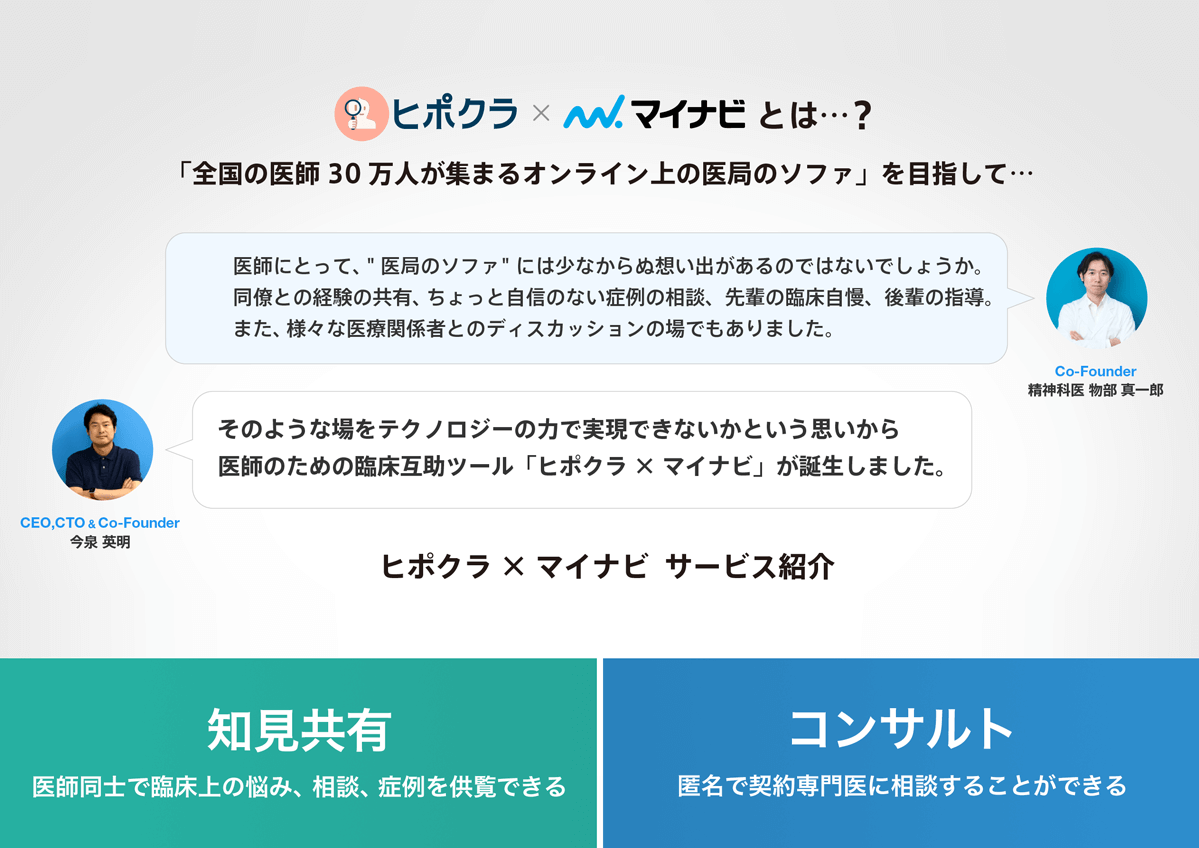
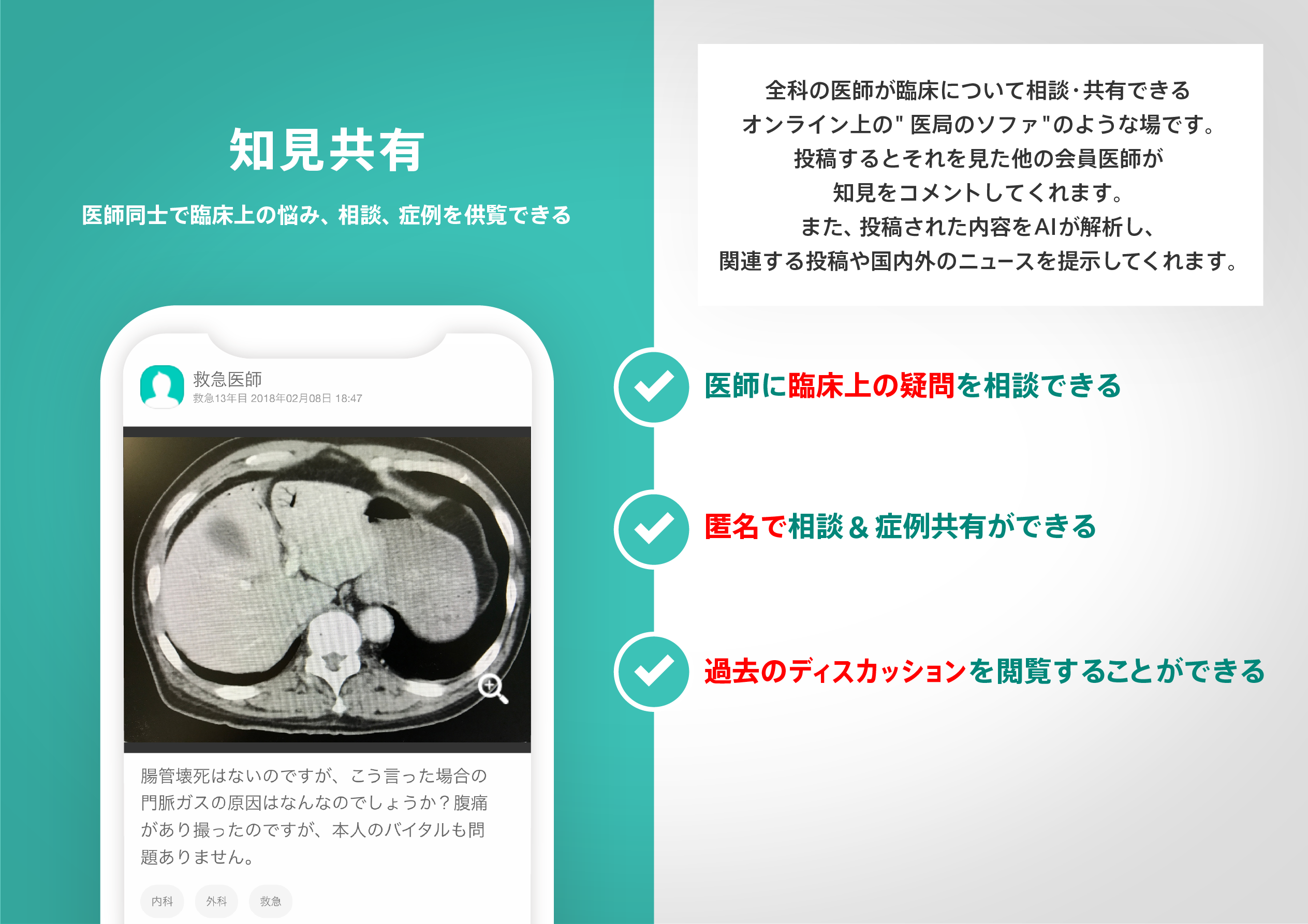
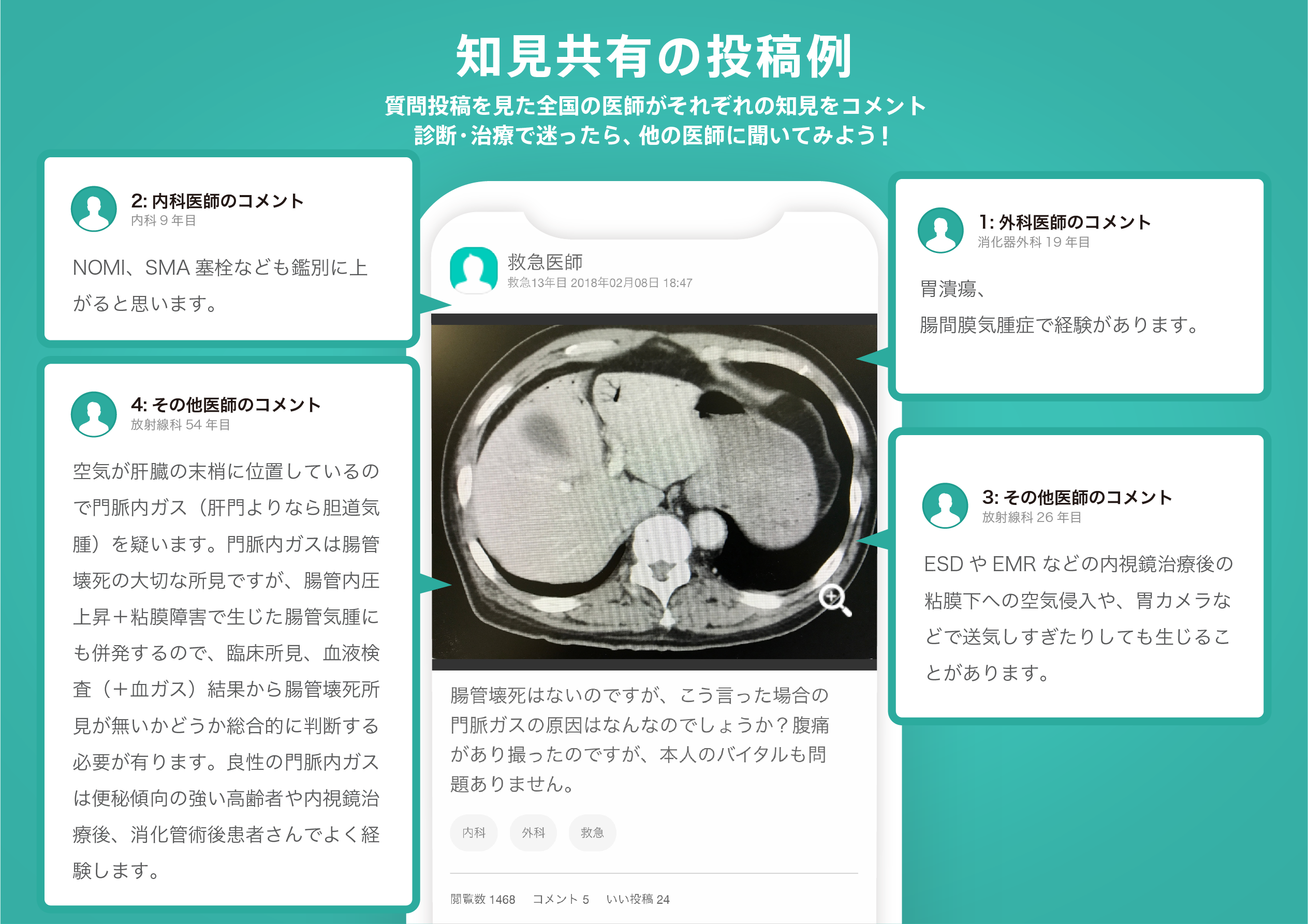
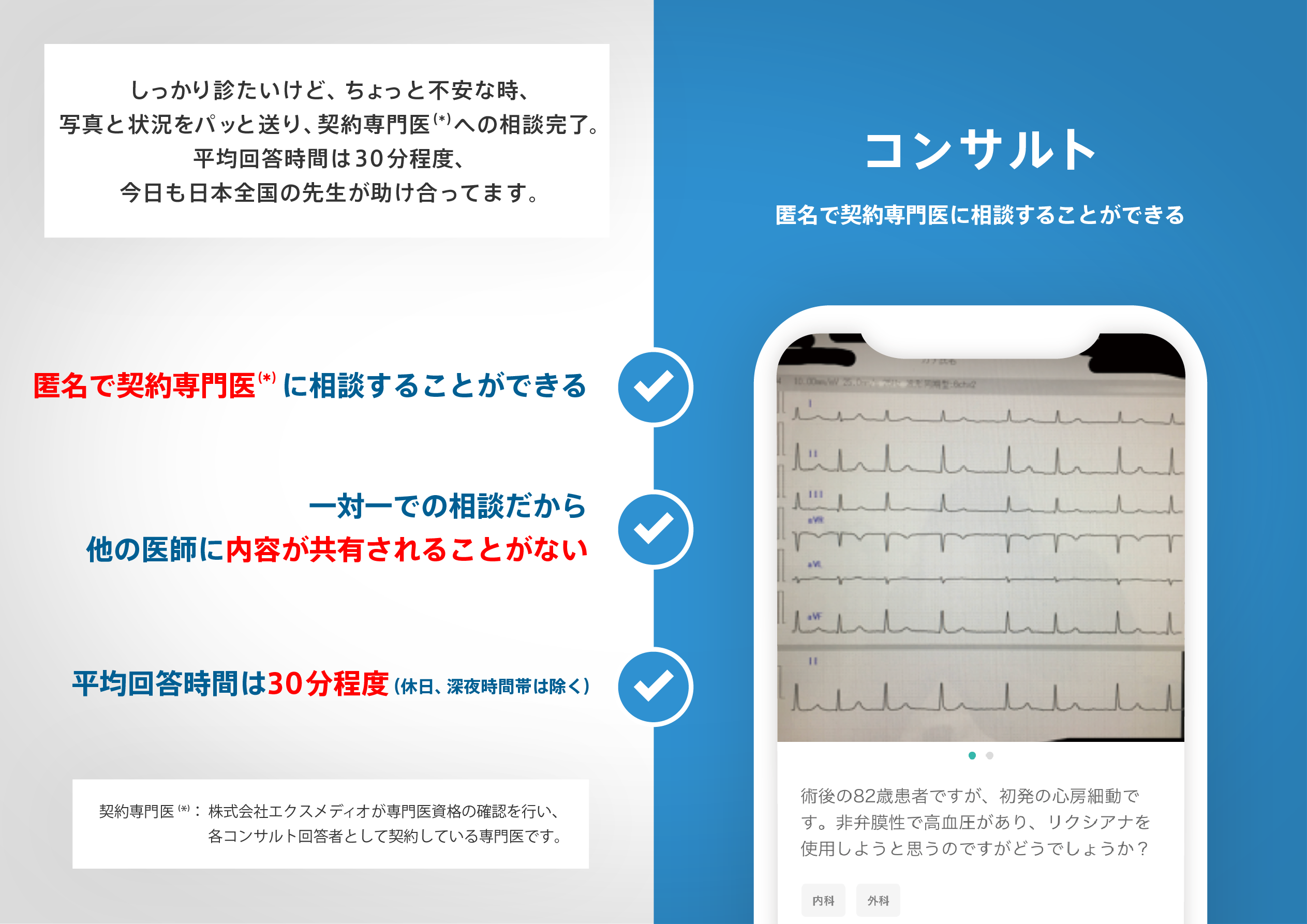
ヒポクラ x マイナビのご紹介

無料会員登録していただくと、さらに便利で効率的な検索が可能になります。