著名医師による解説が無料で読めます
すると翻訳の精度が向上します
マラリア感染の特徴は、発熱の周期的な発作の発生です。実験的および臨床研究は、これらの断続的な発熱の誘導において、腫瘍壊死因子(TNF)のような炎症性サイトカインを強く関与させてきました[Clark et al。、感染イムノール32:1058-1066、1981;Clark et al。、Am J Pathol 129:192-199、1987;Karunaweera et al。、Proc Natl Acad Sci USA 89:3200-3203、1992]、しかし、そのような内因性ピロゲンの産生を誘導するマラリア特異的代謝物はまだ完全に特徴付けられていません。マラリア感染の過程で、「マラリア色素」またはヘモゾインと呼ばれるユニークなシゾントコンポーネントが、宿主赤血球のバーストとしてメロゾイトとともに放出されることはよく知られています[Urquhart、Clin Infect DIS 19:117-131、1994]。私たちは最近、ヘモゾインのコア構造は、鉄カルボン酸塩結合に関連するヘムユニットの新規不溶性ポリマーを含むと判断しました[Slater et al。、Proc Natl Acad Sci USA 88:325-329、1991;Slater et al。、Nature 355:167-169、1992]。現在、精製されたネイティブ、および化学的に合成されたヘモゾイン結晶は、マウスマクロファージとin vitroのヒト周辺血液モノシテから、TNF、MIP-1アルファ、MIP-1ベータを含むいくつかの発熱性サイトカインの放出を強力に誘導することを報告しています。また、化学的に合成されたヘモゾインの麻酔ラットへの調製物の静脈内投与は、体温の著しい低下をもたらします。覚醒動物の発熱反応を誘発することが知られている他のよく特徴の発熱性サイトカイン(例えば、TNF)の静脈内注射に続いて、体温の同様の低下が観察され、ラットが体を適切に調節できないことを反映していると考えられていると考えられています。麻酔中の温度。in vitroでピロゲン性サイトカインを誘導する能力、およびin vivoでの熱調節不全の結果として、このユニークな寄生虫代謝産物は、統合系のマラリア寄生虫によって放出される重要なピロゲンであると提案します。、マクロファージのMIP-1アルファとMIP-1ベータ、およびTNFを含む。
マラリア感染の特徴は、発熱の周期的な発作の発生です。実験的および臨床研究は、これらの断続的な発熱の誘導において、腫瘍壊死因子(TNF)のような炎症性サイトカインを強く関与させてきました[Clark et al。、感染イムノール32:1058-1066、1981;Clark et al。、Am J Pathol 129:192-199、1987;Karunaweera et al。、Proc Natl Acad Sci USA 89:3200-3203、1992]、しかし、そのような内因性ピロゲンの産生を誘導するマラリア特異的代謝物はまだ完全に特徴付けられていません。マラリア感染の過程で、「マラリア色素」またはヘモゾインと呼ばれるユニークなシゾントコンポーネントが、宿主赤血球のバーストとしてメロゾイトとともに放出されることはよく知られています[Urquhart、Clin Infect DIS 19:117-131、1994]。私たちは最近、ヘモゾインのコア構造は、鉄カルボン酸塩結合に関連するヘムユニットの新規不溶性ポリマーを含むと判断しました[Slater et al。、Proc Natl Acad Sci USA 88:325-329、1991;Slater et al。、Nature 355:167-169、1992]。現在、精製されたネイティブ、および化学的に合成されたヘモゾイン結晶は、マウスマクロファージとin vitroのヒト周辺血液モノシテから、TNF、MIP-1アルファ、MIP-1ベータを含むいくつかの発熱性サイトカインの放出を強力に誘導することを報告しています。また、化学的に合成されたヘモゾインの麻酔ラットへの調製物の静脈内投与は、体温の著しい低下をもたらします。覚醒動物の発熱反応を誘発することが知られている他のよく特徴の発熱性サイトカイン(例えば、TNF)の静脈内注射に続いて、体温の同様の低下が観察され、ラットが体を適切に調節できないことを反映していると考えられていると考えられています。麻酔中の温度。in vitroでピロゲン性サイトカインを誘導する能力、およびin vivoでの熱調節不全の結果として、このユニークな寄生虫代謝産物は、統合系のマラリア寄生虫によって放出される重要なピロゲンであると提案します。、マクロファージのMIP-1アルファとMIP-1ベータ、およびTNFを含む。
A characteristic feature of malaria infection is the occurrence of periodic bouts of fever. Experimental and clinical studies have strongly implicated inflammatory cytokines, like tumour necrosis factor (TNF), in the induction of these intermittent fevers [Clark et al., Infect Immunol 32:1058-1066, 1981; Clark et al., Am J Pathol 129:192-199, 1987; Karunaweera et al., Proc Natl Acad Sci USA 89:3200-3203, 1992], but the malaria-specific metabolite(s) which induce the production of such endogenous pyrogens have not yet been fully characterized. It is well known that during the course of malaria infection, a unique schizont component, alternatively referred to as "malaria pigment" or hemozoin, is released along with merozoites as the host erythrocyte bursts [Urquhart, Clin Infect Dis 19:117-131, 1994]. We have recently determined that the core structure of hemozoin comprises a novel insoluble polymer of heme units linked by iron-carboxylate bonds [Slater et al., Proc Natl Acad Sci USA 88:325-329, 1991; Slater et al., Nature 355:167-169, 1992]. We now report that purified native, as well as chemically synthesized, hemozoin crystals potently induce the release of several pyrogenic cytokines, including TNF, MIP-1 alpha, and MIP-1 beta, from murine macrophages and human peripheral blood monocytes in vitro. Also, intravenous administration of chemically synthesized preparations of hemozoin to anaesthetized rats results in a marked drop in body temperature. A similar drop in body temperature is observed following the intravenous injection of other well-characterized pyrogenic cytokines (e.g., TNF) which are known to induce a fever response in awake animals, and is thought to reflect the inability of rats to appropriately regulate their body temperature while anaesthetized. As a consequence of its ability to induce pyrogenic cytokines in vitro, and thermal dysregulation in vivo, we propose that this unique parasite metabolite is an important pyrogen released by malaria parasites at schizogomy, which acts by eliciting the production of a group of potent endogenous pyrogens, which include MIP-1 alpha and MIP-1 beta, as well as TNF, in macrophages.
医師のための臨床サポートサービス
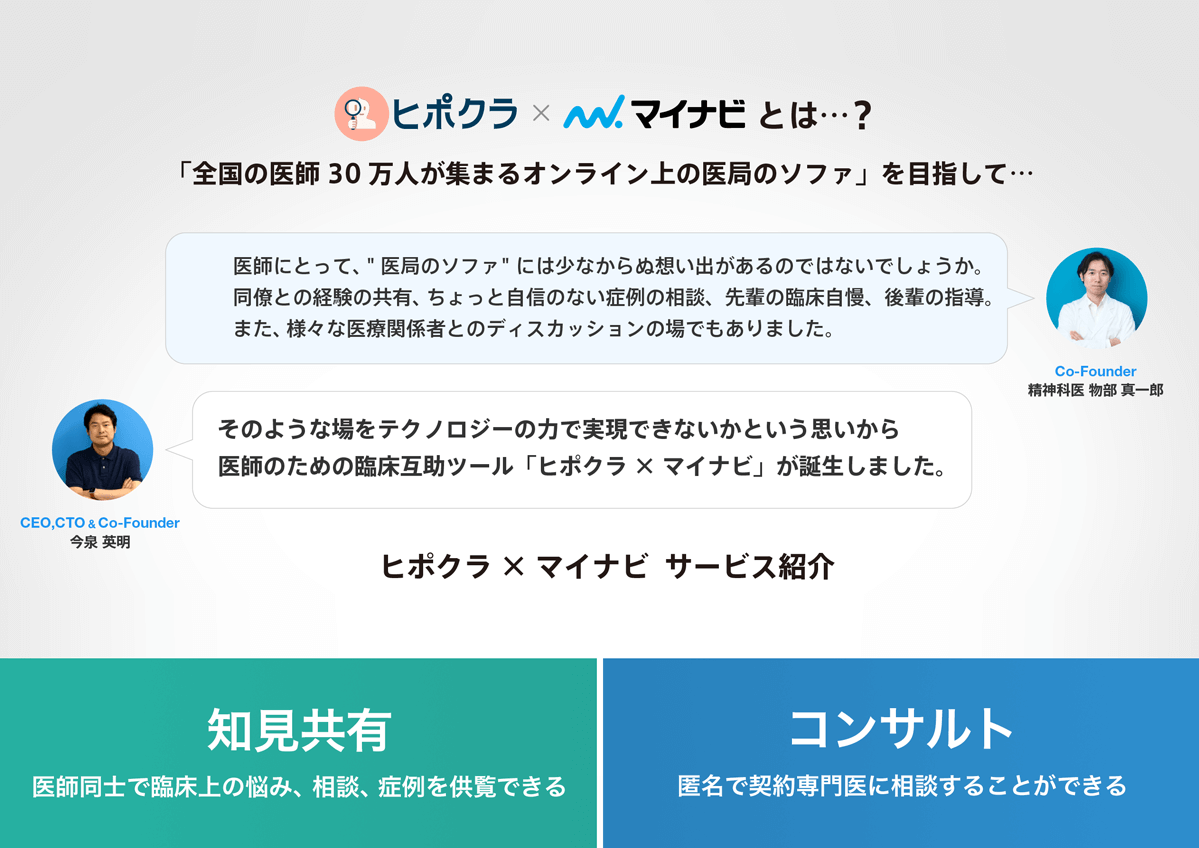
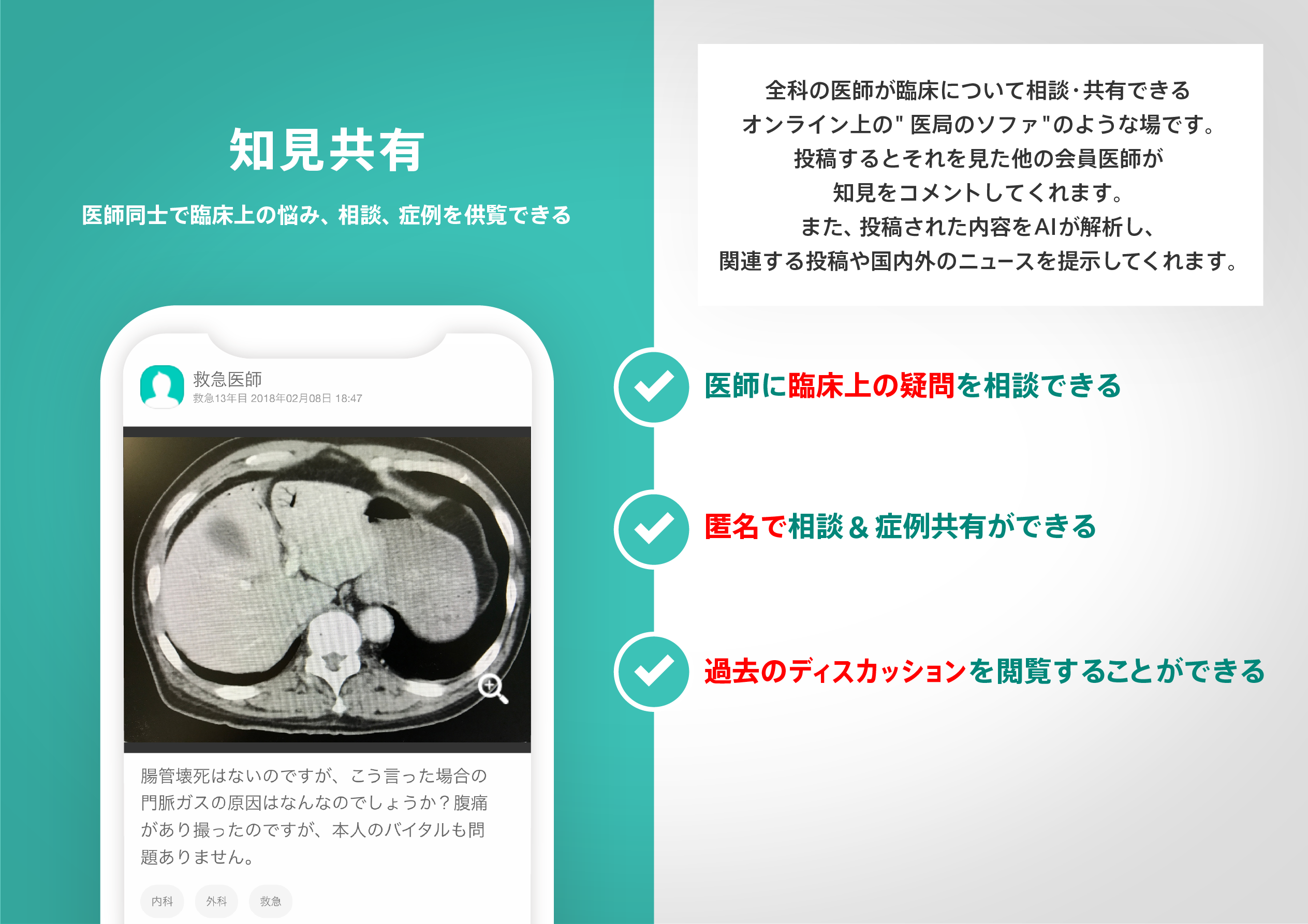
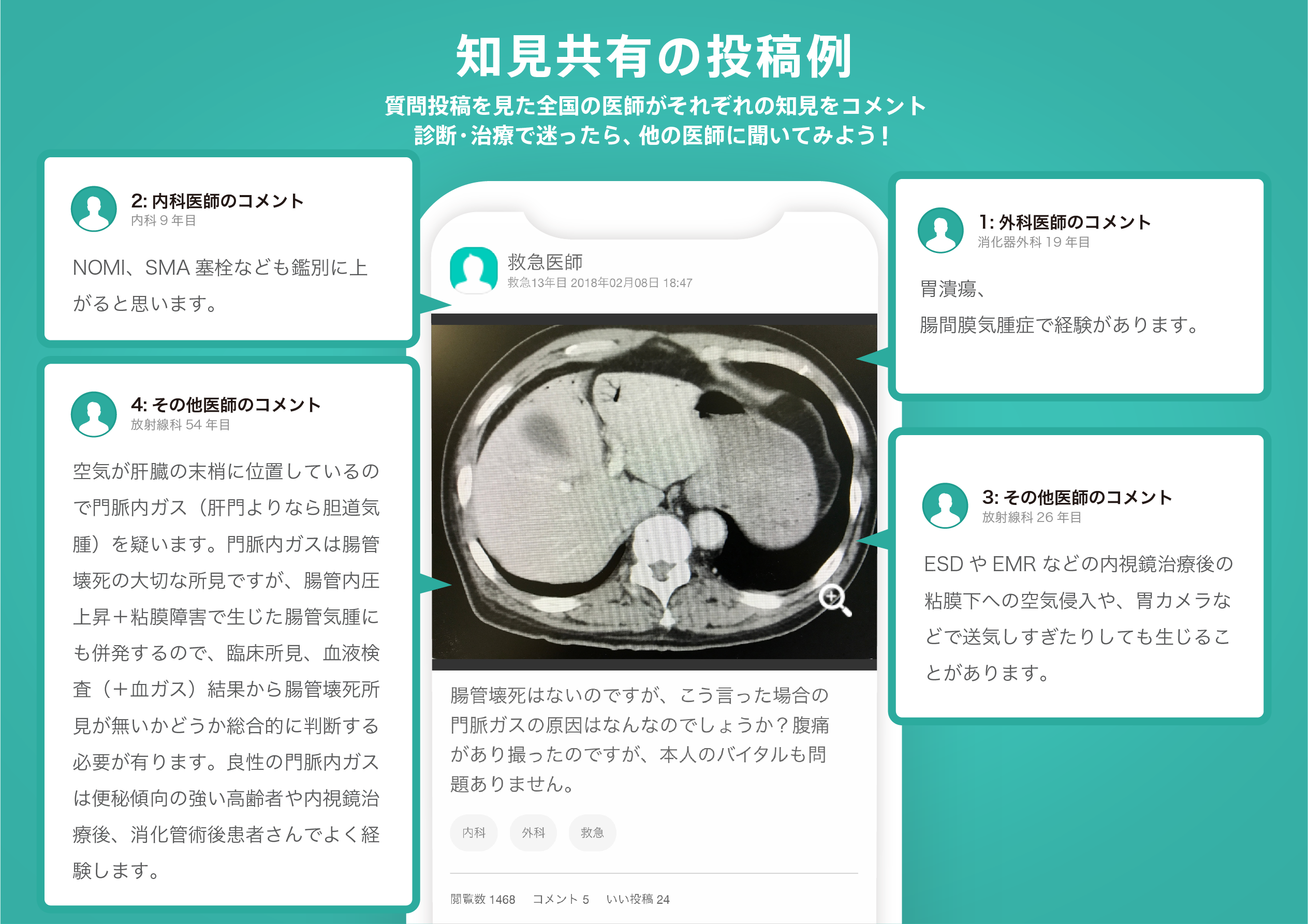
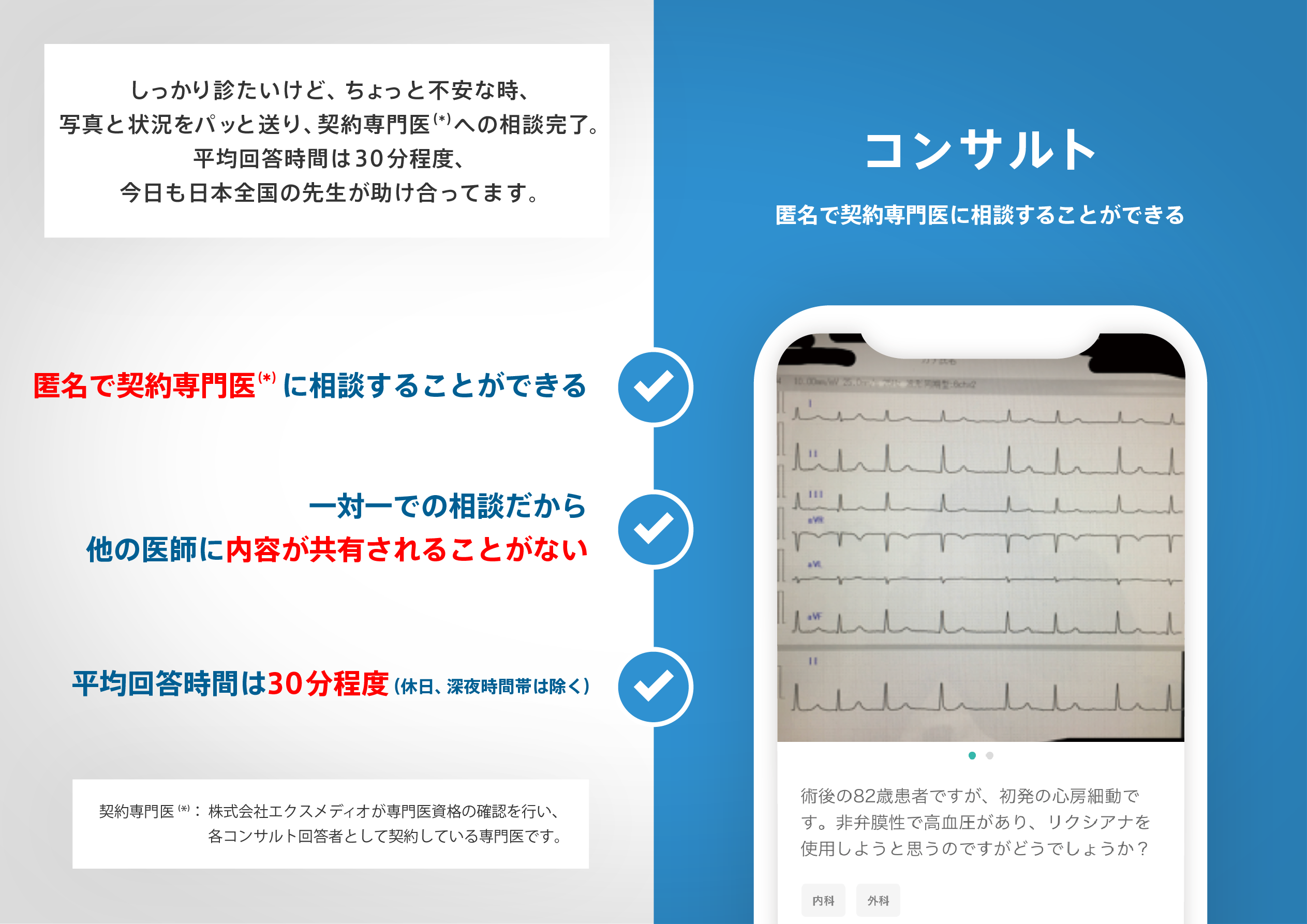
ヒポクラ x マイナビのご紹介

無料会員登録していただくと、さらに便利で効率的な検索が可能になります。