著名医師による解説が無料で読めます
すると翻訳の精度が向上します
腫瘍壊死因子α(TNF-alpha)は、複数の細胞タイプ内で多様な数の標的遺伝子を活性化できる多機能炎症誘発性サイトカインです。ヒト気道ムチン過分泌およびMUC-2遺伝子発現の調節におけるTNF-αの役割に関する情報はほとんど知られていない。ムチン分泌に対するTNF-alpha暴露の効果を評価するために、ヒト気道上皮細胞のヒト気道臓器培養および原発性培養物を、酵素関連の免疫吸着アッセイによって定量化した20 ng/mlの組換えヒトTNFアルファおよびムチン分泌で刺激されました。ヒト気道ムチンに向けられた特定のモノクローナル抗体。ヒト気道臓器培養からのムチン分泌の有意な増加は、最初に1時間で検出され、8時間でピークに達し、24時間持続しました。8時間でのTNF-alphaを介したムチン過分泌は濃度に依存していました。ヒト気道上皮細胞の初代培養からのムチン分泌の有意な増加は、最初に4時間でピークに達し、20 ng/mlの組換えヒトTNF-αで刺激して72時間持続しました。ヒト気道上皮細胞の一次培養物から48時間でのTNF-αを介したムチン過分泌は、可溶性55 kD、I型TNF受容体との共インコベーションにより阻害されました。逆転写 - ポリメラーゼ連鎖反応とヒト肺粘液皮筋癌細胞株(NCI-H292)を使用して、MUC-2定常状態のmRNAレベルの増加は、30分間のTNF-α刺激後に最初に検出可能であり、24時間持続しました。シクロヘキシミドは、1時間でTNF-alphaを介したMUC-2 mRNA発現を阻害しなかったため、新しいタンパク質翻訳は必要ないことを示唆しています。
腫瘍壊死因子α(TNF-alpha)は、複数の細胞タイプ内で多様な数の標的遺伝子を活性化できる多機能炎症誘発性サイトカインです。ヒト気道ムチン過分泌およびMUC-2遺伝子発現の調節におけるTNF-αの役割に関する情報はほとんど知られていない。ムチン分泌に対するTNF-alpha暴露の効果を評価するために、ヒト気道上皮細胞のヒト気道臓器培養および原発性培養物を、酵素関連の免疫吸着アッセイによって定量化した20 ng/mlの組換えヒトTNFアルファおよびムチン分泌で刺激されました。ヒト気道ムチンに向けられた特定のモノクローナル抗体。ヒト気道臓器培養からのムチン分泌の有意な増加は、最初に1時間で検出され、8時間でピークに達し、24時間持続しました。8時間でのTNF-alphaを介したムチン過分泌は濃度に依存していました。ヒト気道上皮細胞の初代培養からのムチン分泌の有意な増加は、最初に4時間でピークに達し、20 ng/mlの組換えヒトTNF-αで刺激して72時間持続しました。ヒト気道上皮細胞の一次培養物から48時間でのTNF-αを介したムチン過分泌は、可溶性55 kD、I型TNF受容体との共インコベーションにより阻害されました。逆転写 - ポリメラーゼ連鎖反応とヒト肺粘液皮筋癌細胞株(NCI-H292)を使用して、MUC-2定常状態のmRNAレベルの増加は、30分間のTNF-α刺激後に最初に検出可能であり、24時間持続しました。シクロヘキシミドは、1時間でTNF-alphaを介したMUC-2 mRNA発現を阻害しなかったため、新しいタンパク質翻訳は必要ないことを示唆しています。
Tumor necrosis factor-alpha (TNF-alpha) is a multifunctional, proinflammatory cytokine that is capable of activating a diverse number of target genes within multiple cell types. Little information is known regarding the role of TNF-alpha in the regulation of human airway mucin hypersecretion and MUC-2 gene expression. To assess the effect of TNF-alpha exposure on mucin secretion, human airway organ cultures and primary cultures of human airway epithelial cells were stimulated with 20 ng/ml of recombinant human TNF-alpha and mucin secretion quantitated by an enzyme-linked immunosorbent assay using a specific monoclonal antibody directed against human airway mucin. Significant increases in mucin secretion from human airway organ cultures were initially detected at 1 h, peaked at 8 h, and persisted for 24 h. The TNF-alpha-mediated mucin hypersecretion at 8 h was concentration dependent. Significant increases in mucin secretion from primary cultures of human airway epithelial cells were initially detected at 4 h, peaked at 48 h, and persisted for 72 h after stimulation with 20 ng/ml of recombinant human TNF-alpha. The TNF-alpha-mediated mucin hypersecretion at 48 h from primary cultures of human airway epithelial cells was inhibited by coincubation with soluble 55 kD, type I TNF receptors. Using reverse transcription-polymerase chain reaction and a human pulmonary mucoepidermoid carcinoma cell line (NCI-H292), increases in MUC-2 steady-state mRNA levels were first detectable after 30 min of TNF-alpha stimulation and persisted for 24 h. Cycloheximide did not inhibit TNF-alpha-mediated MUC-2 mRNA expression at 1 h, suggesting that new protein translation was not required.(ABSTRACT TRUNCATED AT 250 WORDS)
医師のための臨床サポートサービス
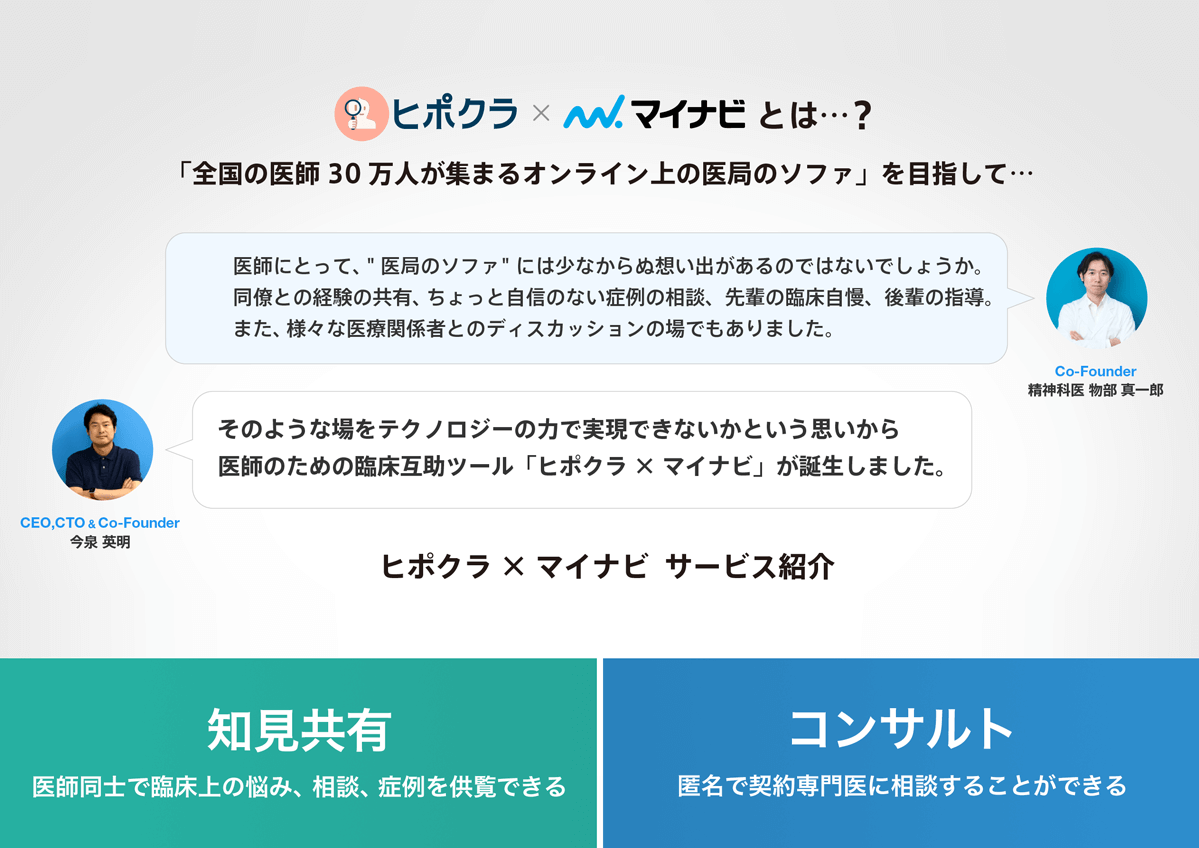
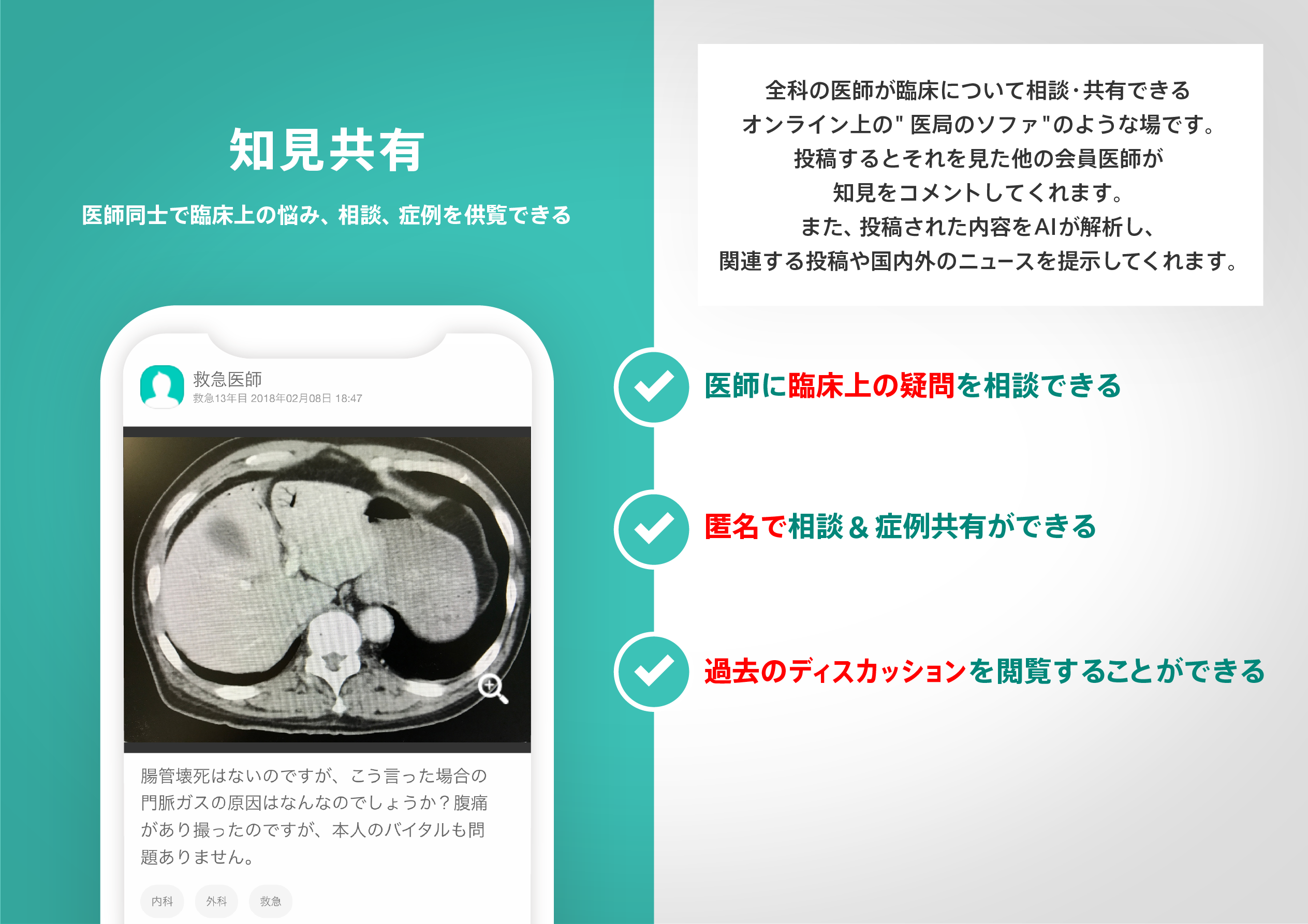
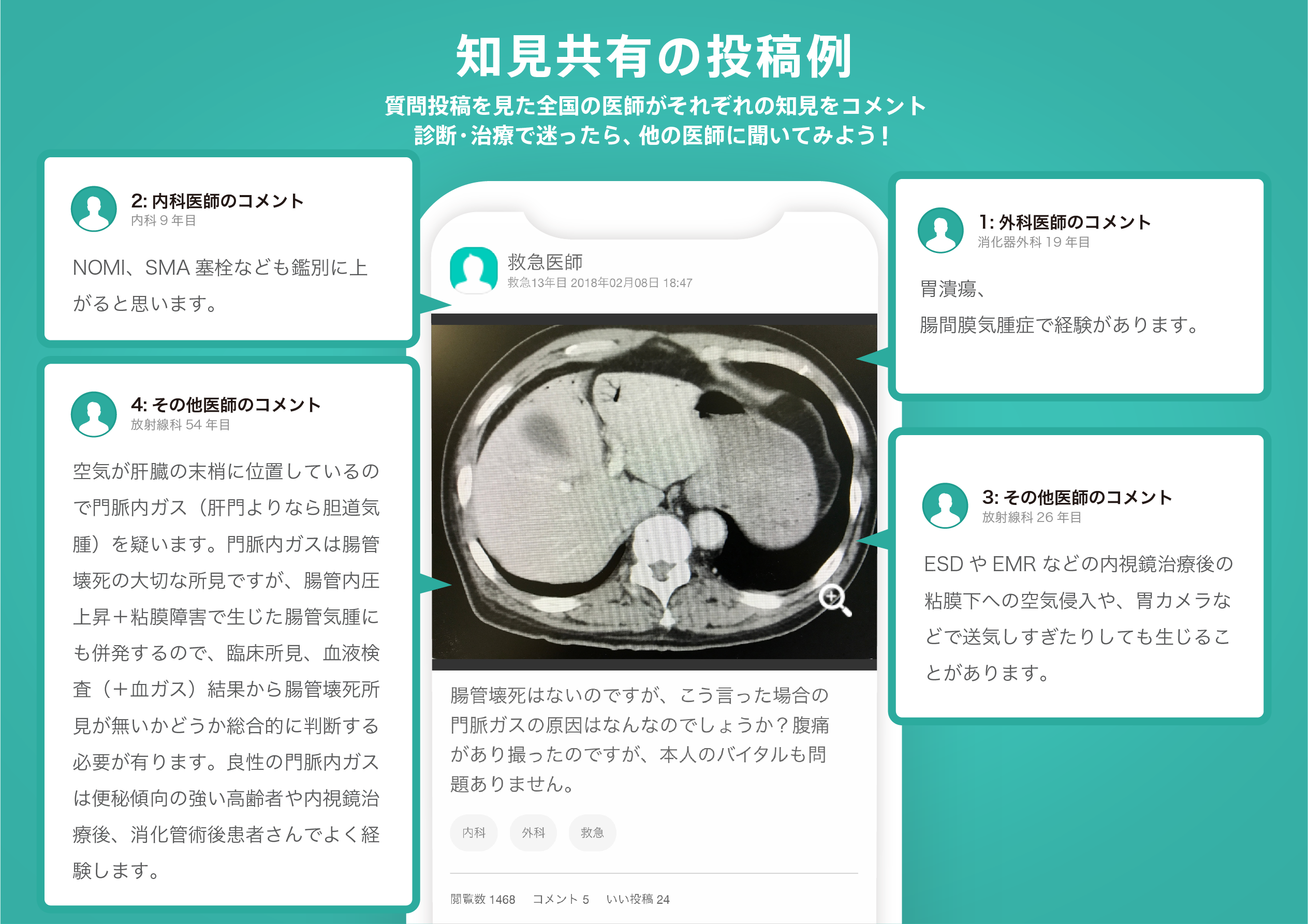
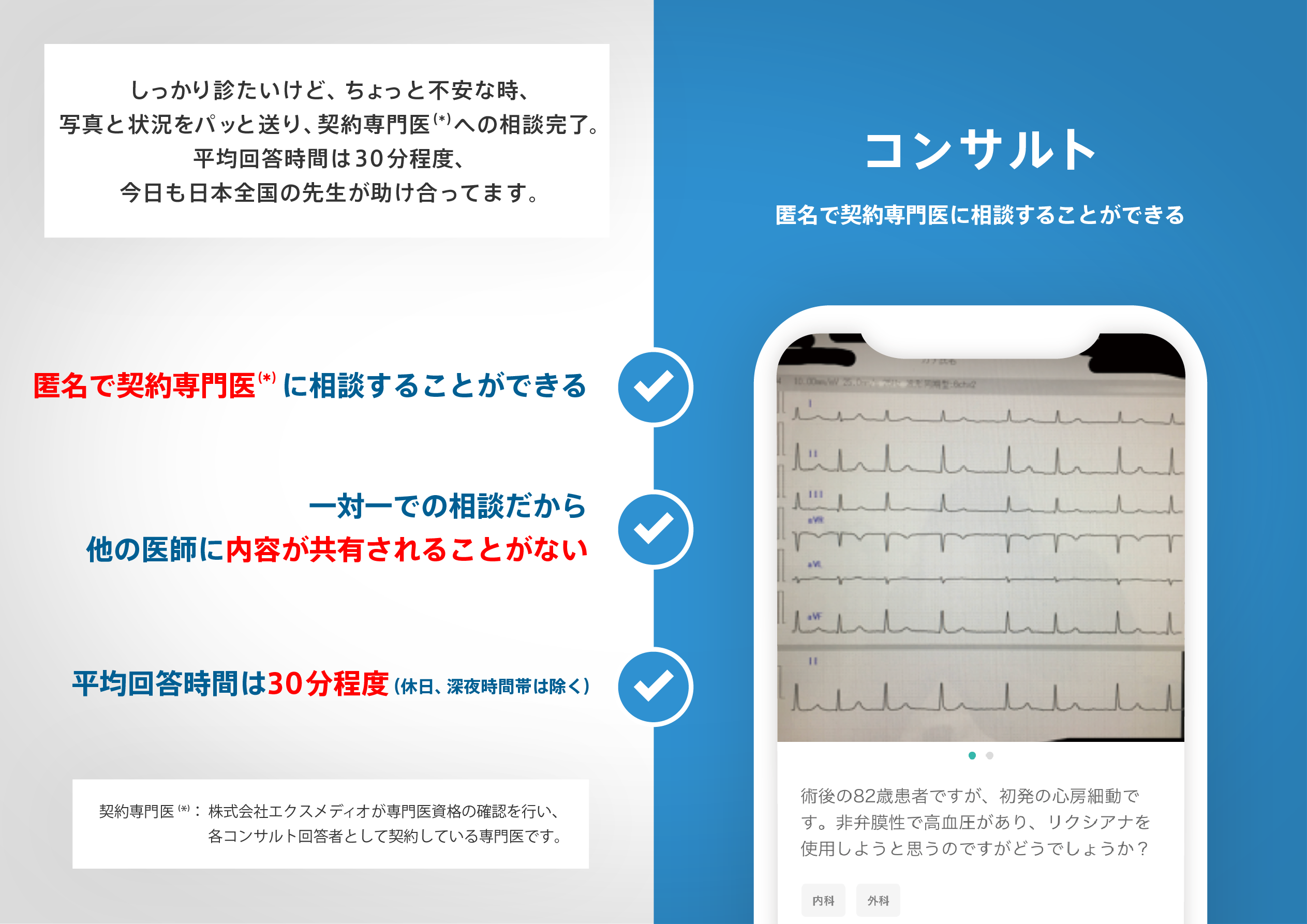
ヒポクラ x マイナビのご紹介

無料会員登録していただくと、さらに便利で効率的な検索が可能になります。