著名医師による解説が無料で読めます
すると翻訳の精度が向上します
吸入されたロイコトリエンC4(LTC4)に対する気道の反応が、アスピリン感受性喘息の吸入されたロイコトリエンE4(LTE4)に類似しているかどうかを判断したかったのです。アスピリンに寛容だった喘息被験者を制御します。1秒で強制呼気量の15%の低下を引き起こした吸入リジンアスピリンの濃度(PC15)は、アスピリン感受性喘息被験者で決定されました。特定の気道コンダクタンス(PD35SGAW)で35%のヒスタミン、LTC4およびLTE4の用量は、対数用量応答曲線からの線形補間によって決定されました。リジンアスピリンのPC15と吸入LTC4またはLTE4に対する気道反応性との間に相関はありませんでした。喘息被験者のグループのいずれかの間で、ヒスタミンとLTC4に対する気道反応に違いはありませんでした。両方のグループに有能LTC4> LTE4>ヒスタミンのランク順があり、LTC4は両方のグループでヒスタミンよりも約1,000倍強力でした。アスピリン感受性の喘息被験者は、アスピリン耐性の喘息被験者よりもLTE4(P = 0.02)に対して有意に反応しました。ヒスタミンに対するLTE4の相対反応性(PD35ヒスタミン/PD35 LTE4)は、アスピリン耐性喘息被験者と比較してアスピリン感受性喘息被験者で有意に大きかった(P = 0.05)。アスピリン感受性またはアスピリン耐性の喘息被験者の間のヒスタミンに対するLTC4の相対的な反応性に違いはありませんでした。アスピリン感受性の喘息被験者の気道は、LTC4では観察されないLTE4に対する選択的な過敏性を示していると結論付けています。
吸入されたロイコトリエンC4(LTC4)に対する気道の反応が、アスピリン感受性喘息の吸入されたロイコトリエンE4(LTE4)に類似しているかどうかを判断したかったのです。アスピリンに寛容だった喘息被験者を制御します。1秒で強制呼気量の15%の低下を引き起こした吸入リジンアスピリンの濃度(PC15)は、アスピリン感受性喘息被験者で決定されました。特定の気道コンダクタンス(PD35SGAW)で35%のヒスタミン、LTC4およびLTE4の用量は、対数用量応答曲線からの線形補間によって決定されました。リジンアスピリンのPC15と吸入LTC4またはLTE4に対する気道反応性との間に相関はありませんでした。喘息被験者のグループのいずれかの間で、ヒスタミンとLTC4に対する気道反応に違いはありませんでした。両方のグループに有能LTC4> LTE4>ヒスタミンのランク順があり、LTC4は両方のグループでヒスタミンよりも約1,000倍強力でした。アスピリン感受性の喘息被験者は、アスピリン耐性の喘息被験者よりもLTE4(P = 0.02)に対して有意に反応しました。ヒスタミンに対するLTE4の相対反応性(PD35ヒスタミン/PD35 LTE4)は、アスピリン耐性喘息被験者と比較してアスピリン感受性喘息被験者で有意に大きかった(P = 0.05)。アスピリン感受性またはアスピリン耐性の喘息被験者の間のヒスタミンに対するLTC4の相対的な反応性に違いはありませんでした。アスピリン感受性の喘息被験者の気道は、LTC4では観察されないLTE4に対する選択的な過敏性を示していると結論付けています。
We wanted to determine whether the airway response to inhaled leukotriene C4 (LTC4) is similar to inhaled leukotriene E4 (LTE4) in aspirin-sensitive asthma and, therefore, determined airway responsiveness to histamine, LTC4 and LTE4 in seven aspirin-sensitive subjects and 13 control asthmatic subjects, who were tolerant of aspirin. The concentration of inhaled lysine-aspirin which produced a 15% fall in forced expiratory volume in one second (FEV1) (PC15) was determined in aspirin-sensitive asthmatic subjects. The dose of histamine, LTC4 and LTE4 which produced a 35% fall in specific airways conductance (PD35sGaw) was determined by linear interpolation from the log dose response curve. There was no correlation between the PC15 for lysine-aspirin and the airway reactivity to inhaled LTC4 or LTE4. There was no difference in airway response to histamine and LTC4 between any of the groups of asthmatic subjects. There was a rank order of potency LTC4 > LTE4 > histamine in both groups, with LTC4 approximately 1,000 fold more potent than histamine in both groups. Aspirin-sensitive asthmatic subjects were significantly more responsive to LTE4 (p = 0.02) than aspirin-tolerant asthmatic subjects. The relative responsiveness of LTE4 to histamine (PD35 histamine/PD35 LTE4) was significantly greater in aspirin-sensitive asthmatic subjects compared to aspirin-tolerant asthmatic subjects (p = 0.05). There was no difference in relative responsiveness of LTC4 to histamine between aspirin-sensitive or aspirin-tolerant asthmatic subjects. We conclude that the airways of aspirin-sensitive asthmatic subjects demonstrate a selective hyperresponsiveness to LTE4, which is not observed for LTC4.
医師のための臨床サポートサービス
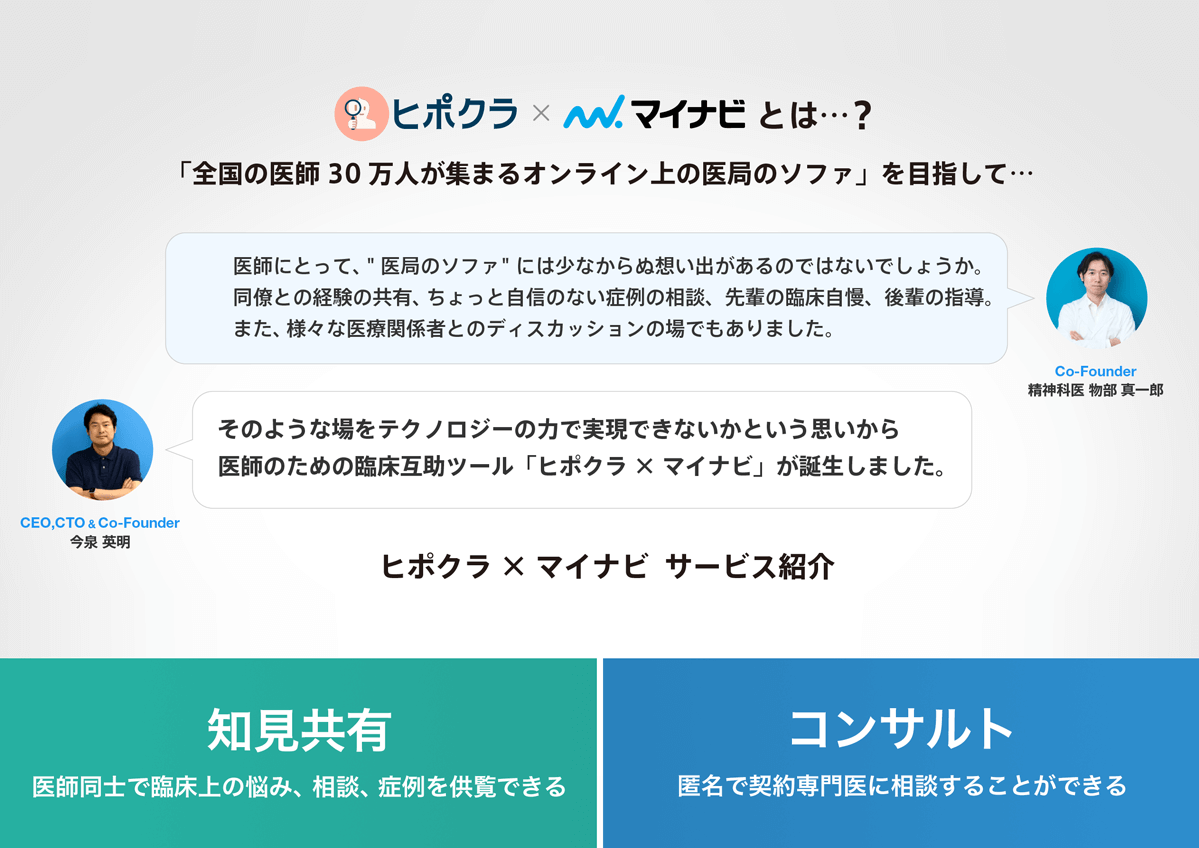
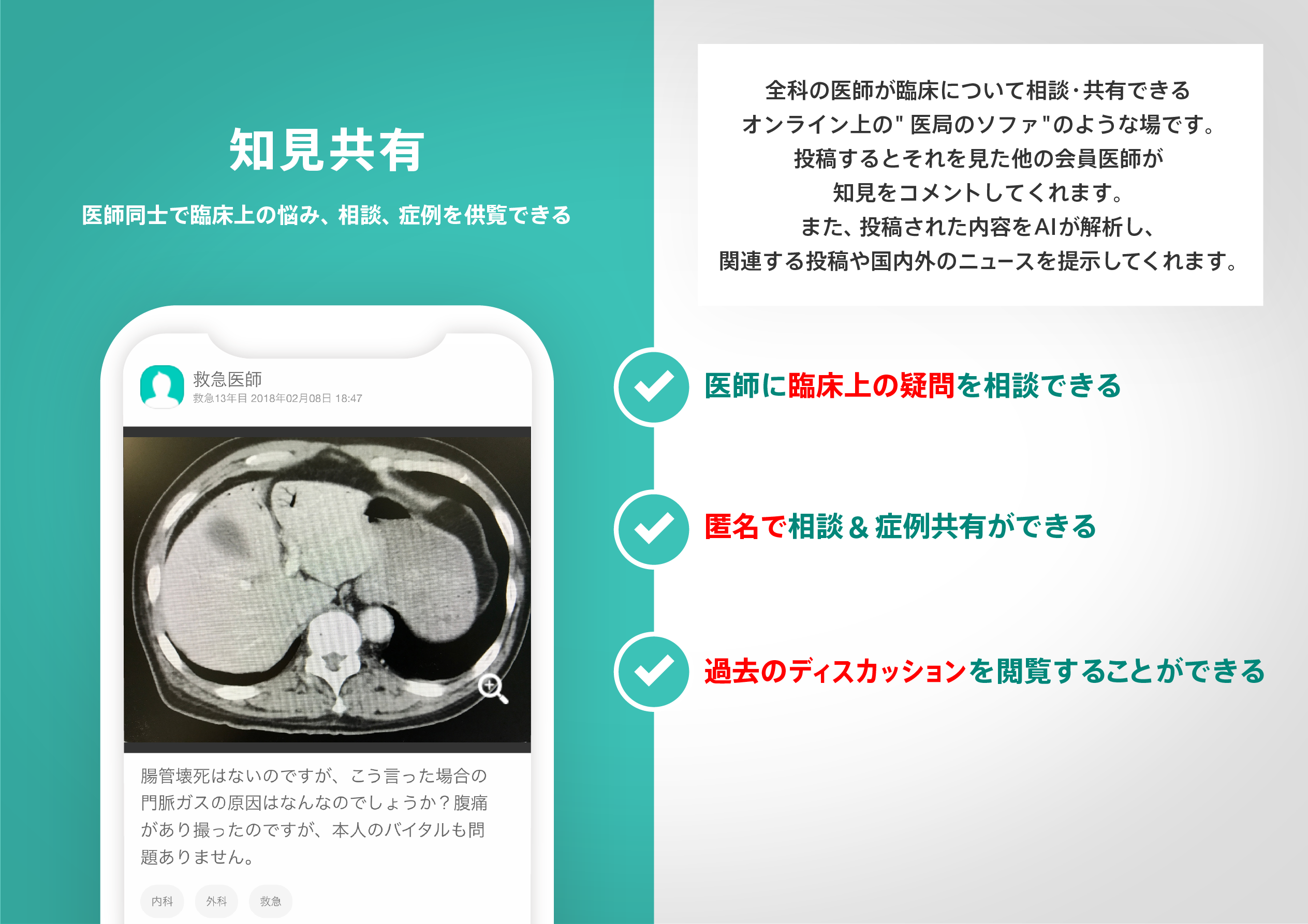
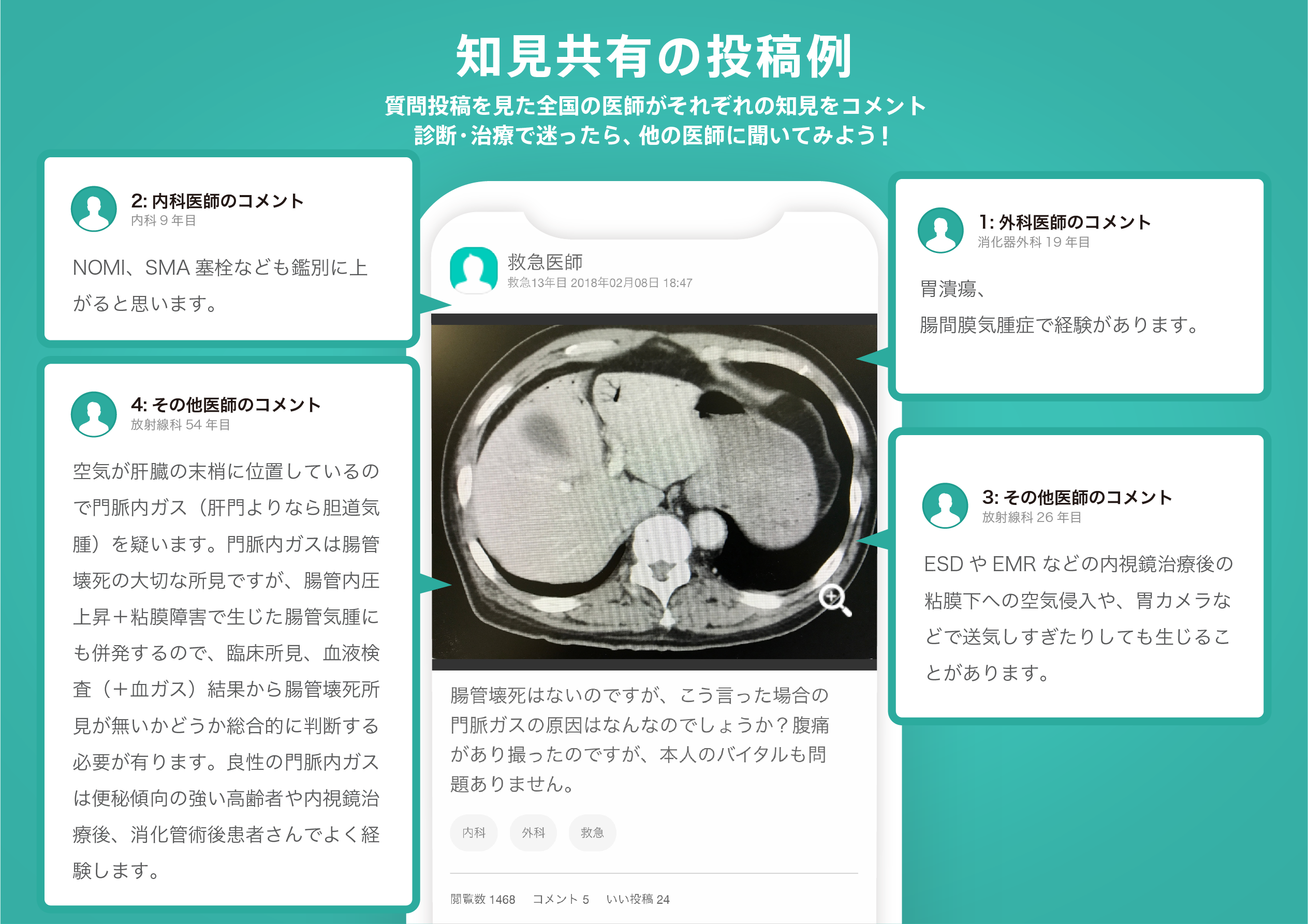
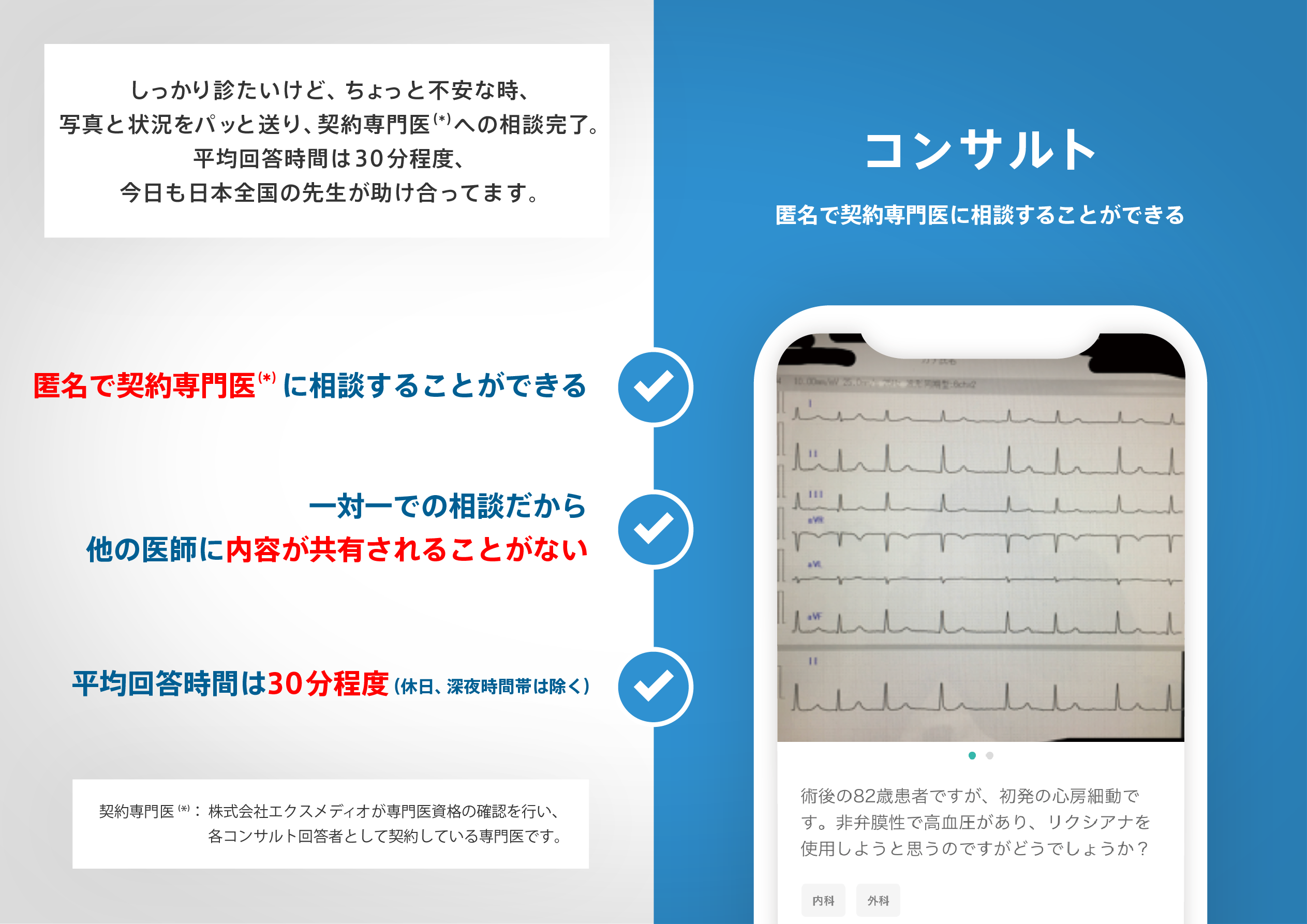
ヒポクラ x マイナビのご紹介

無料会員登録していただくと、さらに便利で効率的な検索が可能になります。