著名医師による解説が無料で読めます
すると翻訳の精度が向上します
ヒドロキシアミノ酸ホモセリン、ヒドロキシプロリン、4-ヒドロキシピペコール酸のエナンチオマリオマイオス純硫酸エステルを合成し、α-アミノ-3-ヒドロキシ-5-メチル-4-イソキソゾール酸化酸(AMPA)およびN-メチル-D-アスパルテートでテストしました(NMDA)興奮性アミノ酸受容体のための新しい可能性のある内因性リガンド(アゴニストまたは拮抗薬)を見つけることを目的として、マウス皮質のくさびの調製およびモルモットの筋髄叢に存在するNMDA受容体に存在する受容体。線形で柔軟な化合物スホモセリン硫酸塩は、AMPAとNMDA受容体の両方の脱分極を引き起こしました。皮質では、そのアゴニスト作用は、NMDAのEC50、AMPA受容体の場合は300マイクロームであり、マeenteric神経叢ではEC50は600 microMでした。立体異性体r-ホモセリン硫酸は、皮質のくさびを脱分極せず、500マイクロームの濃度まで回腸縮小を引き起こすことができませんでした。4-ヒドロキシプロリン硫酸の4つの可能な立体異性体の中で、硬質構造であり、硫酸塩の環化型であるT-hydroxyproline硫酸と見なされる可能性があります。他の3つの異性体は、最大500マイクロームのアゴニストとして活動しておらず、どれも拮抗薬の活動を持っていませんでした。最後に、T-4-ヒドロキシ-S-ピペコール酸-4-硫酸塩は、T-s-Hydroxyproline硫酸の優れたホモログである、EC50のEC50が0.7 MicroMで説明されている最も強力で選択的なNMDA受容体アゴニストの1つであることがわかっています。筋肉の神経叢の皮質と250 microM(250語で切り捨てられた要約)
ヒドロキシアミノ酸ホモセリン、ヒドロキシプロリン、4-ヒドロキシピペコール酸のエナンチオマリオマイオス純硫酸エステルを合成し、α-アミノ-3-ヒドロキシ-5-メチル-4-イソキソゾール酸化酸(AMPA)およびN-メチル-D-アスパルテートでテストしました(NMDA)興奮性アミノ酸受容体のための新しい可能性のある内因性リガンド(アゴニストまたは拮抗薬)を見つけることを目的として、マウス皮質のくさびの調製およびモルモットの筋髄叢に存在するNMDA受容体に存在する受容体。線形で柔軟な化合物スホモセリン硫酸塩は、AMPAとNMDA受容体の両方の脱分極を引き起こしました。皮質では、そのアゴニスト作用は、NMDAのEC50、AMPA受容体の場合は300マイクロームであり、マeenteric神経叢ではEC50は600 microMでした。立体異性体r-ホモセリン硫酸は、皮質のくさびを脱分極せず、500マイクロームの濃度まで回腸縮小を引き起こすことができませんでした。4-ヒドロキシプロリン硫酸の4つの可能な立体異性体の中で、硬質構造であり、硫酸塩の環化型であるT-hydroxyproline硫酸と見なされる可能性があります。他の3つの異性体は、最大500マイクロームのアゴニストとして活動しておらず、どれも拮抗薬の活動を持っていませんでした。最後に、T-4-ヒドロキシ-S-ピペコール酸-4-硫酸塩は、T-s-Hydroxyproline硫酸の優れたホモログである、EC50のEC50が0.7 MicroMで説明されている最も強力で選択的なNMDA受容体アゴニストの1つであることがわかっています。筋肉の神経叢の皮質と250 microM(250語で切り捨てられた要約)
Enantiomerically pure sulfate esters of the hydroxy amino acids homoserine, hydroxyproline and 4-hydroxypipecolic acid were synthesized and tested on alpha-amino-3-hydroxy-5-methyl-4-isoxazole propionic acid (AMPA) and N-methyl-D-aspartate (NMDA) receptors present in the mice cortical wedge preparation and on NMDA receptors present in the myenteric plexus of the guinea pig with the aim of finding new possible endogenous ligands (either agonists or antagonists) for excitatory amino acid receptors. The linear and flexible compound S-homoserine sulfate caused a depolarization of both AMPA and NMDA receptors. In the cortex its agonist action had an EC50 of 150 microM for NMDA and 300 microM for AMPA receptors and in the myenteric plexus its EC50 was 600 microM. The stereoisomer R-homoserine sulfate did not depolarize the cortical wedges and failed to cause ileal contraction up to a concentration of 500 microM. Among the four possible stereoisomers of 4-hydroxyproline sulfate, which are rigid structures and may be regarded as cyclization forms of homoserine sulfate, t-S-hydroxyproline sulfate was a selective AMPA receptor agonist with an EC50 of 70 microM in the cortex. The other three isomers were not active as agonists up to 500 microM and none of them had antagonist activity. Finally, t-4-hydroxy-S-pipecolic acid-4-sulfate, a superior homologue of t-S-hydroxyproline sulfate, was found to be one of the most potent and selective NMDA receptor agonists so far described with an EC50 of 0.7 microM in the cortex and 250 microM in the myenteric plexus.(ABSTRACT TRUNCATED AT 250 WORDS)
医師のための臨床サポートサービス
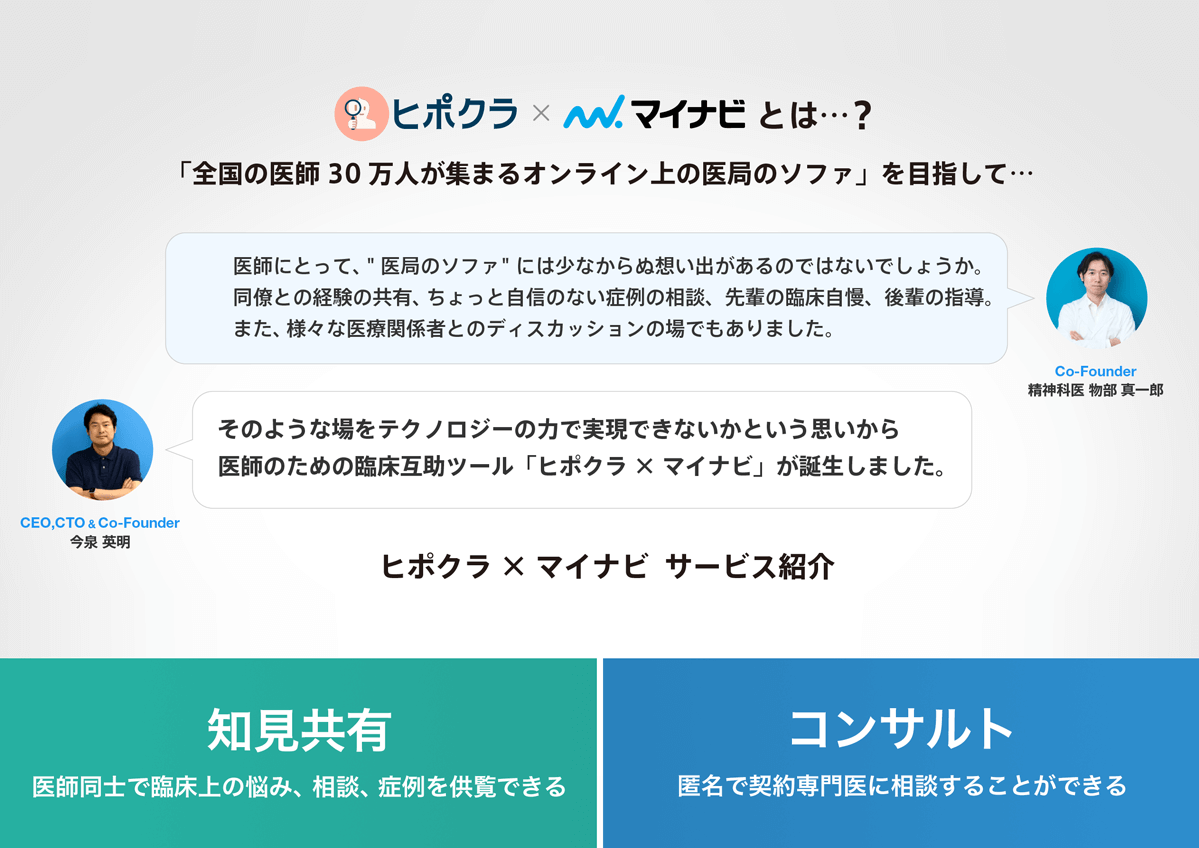
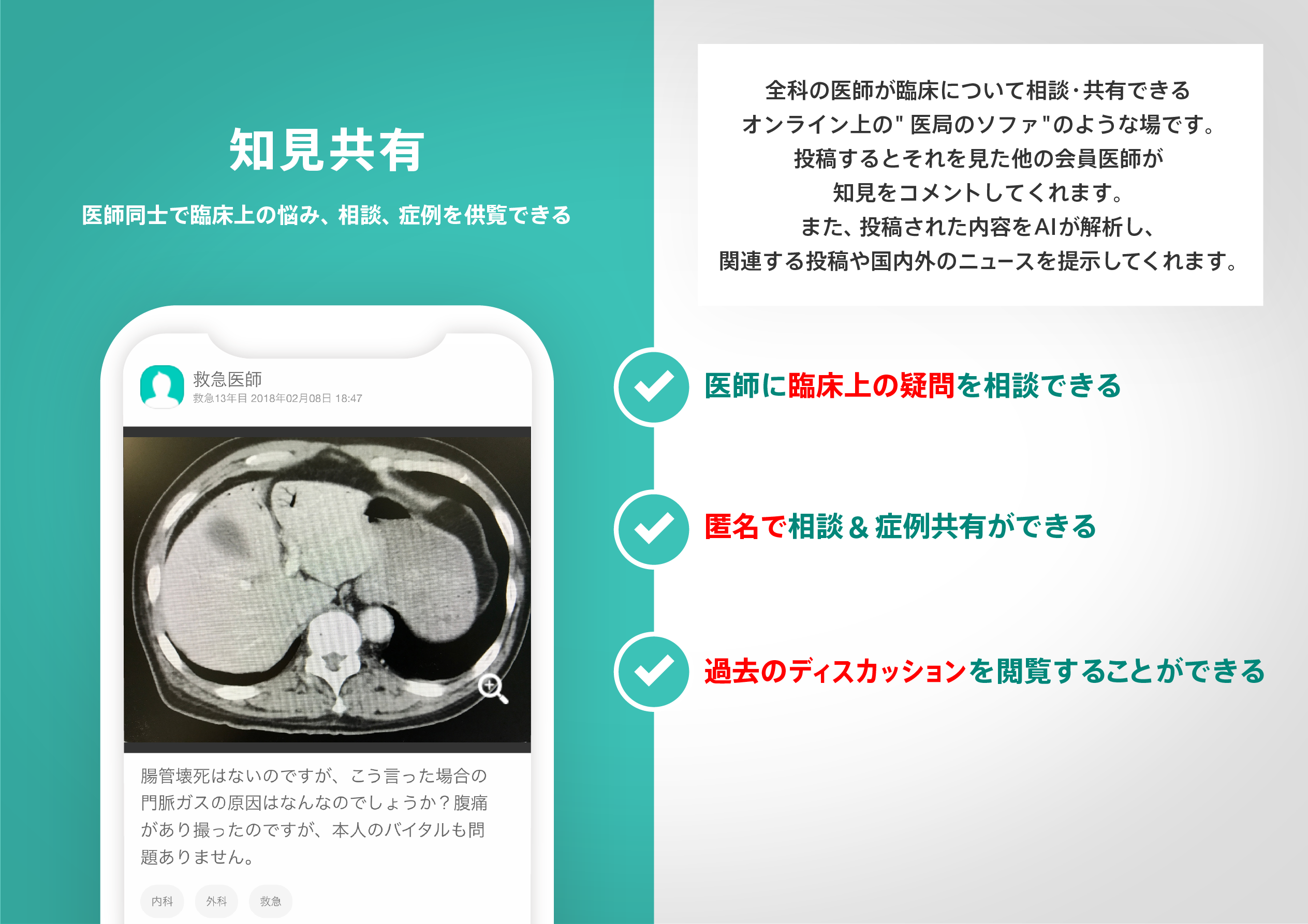
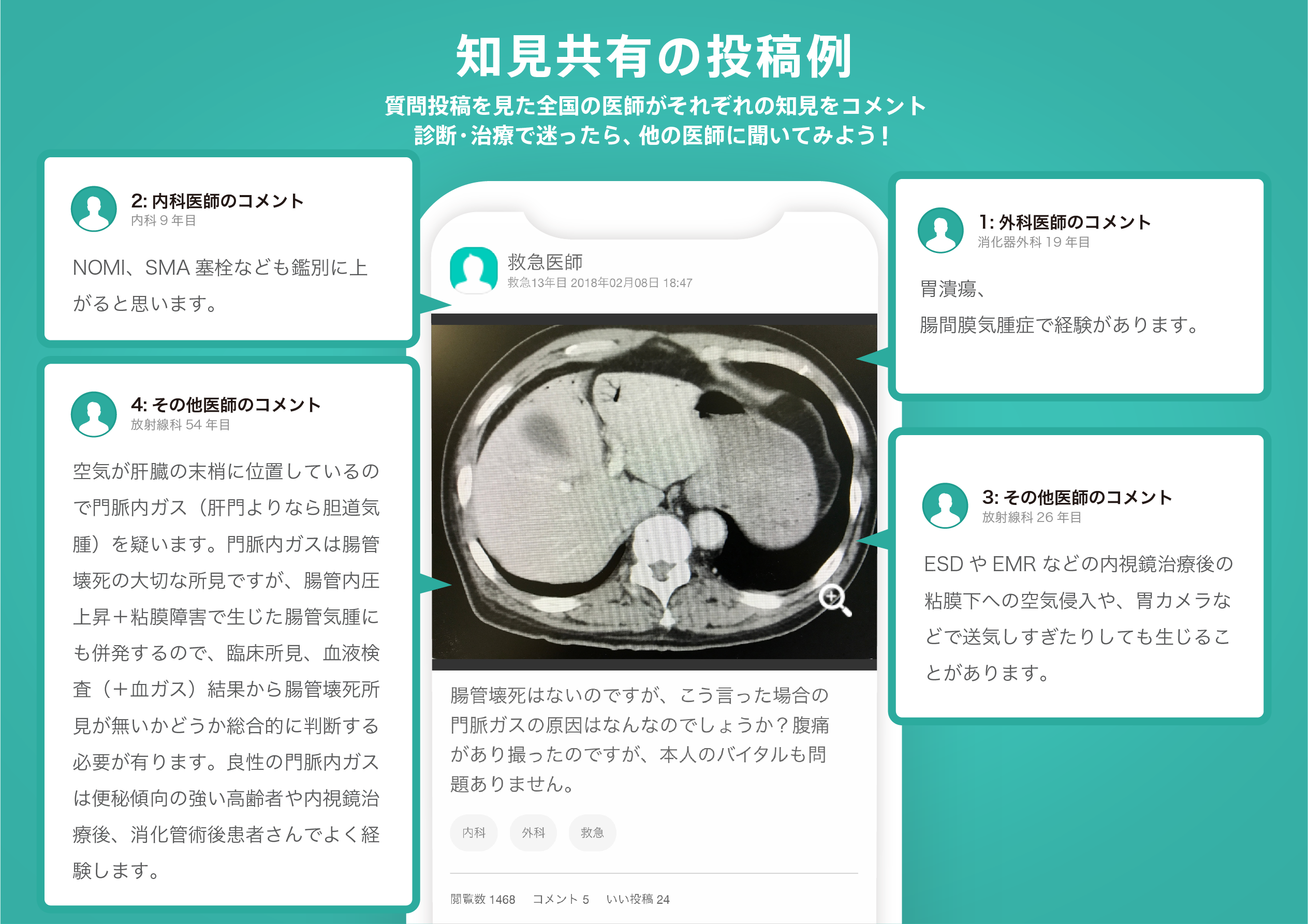
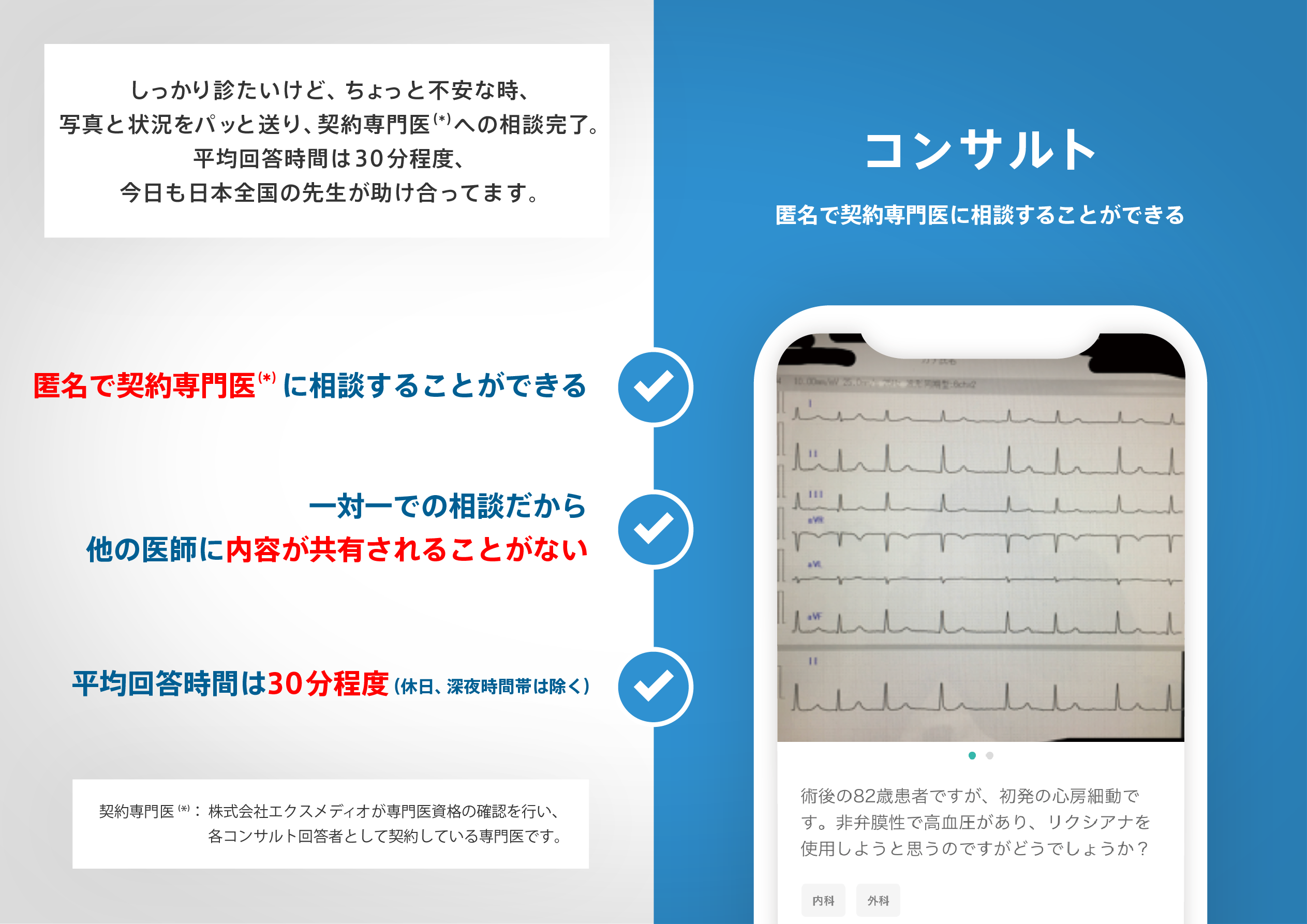
ヒポクラ x マイナビのご紹介

無料会員登録していただくと、さらに便利で効率的な検索が可能になります。