著名医師による解説が無料で読めます
すると翻訳の精度が向上します
抗プラスミドおよび発がん性活性の発現に対するK-およびL-分子軌道領域の効果は、さまざまなBENZアクリジン誘導体、三環化化合物(アクリジンオレンジ、フェノチアジン)およびジベンゾアゼピン(イミプラミン)で研究されました。抗プラスミド化合物は、L領域に分子軌道の外相を示しました。一方、変異原性および発がん性化合物は、L領域のフェーズ外性を示し、そのエネルギーは分子軌道のK領域に蓄積されました。本研究は、抗プラスミドと発がん性の効果の原因となる分子軌道が基本的に異なる可能性があることを示唆しています。
抗プラスミドおよび発がん性活性の発現に対するK-およびL-分子軌道領域の効果は、さまざまなBENZアクリジン誘導体、三環化化合物(アクリジンオレンジ、フェノチアジン)およびジベンゾアゼピン(イミプラミン)で研究されました。抗プラスミド化合物は、L領域に分子軌道の外相を示しました。一方、変異原性および発がん性化合物は、L領域のフェーズ外性を示し、そのエネルギーは分子軌道のK領域に蓄積されました。本研究は、抗プラスミドと発がん性の効果の原因となる分子軌道が基本的に異なる可能性があることを示唆しています。
Effect of K- and L- molecular orbital regions on expression of antiplasmid and carcinogenic activity was studied with various benz[c]acridine derivatives, tricyclic compounds (acridine orange, phenothiazines) and dibenzoazepine (imipramine). Antiplasmid compounds showed the out-of-phase of molecular orbital in the L-region. On the other hand, mutagenic and carcinogenic compounds showed the out-of-phase in the L-region, and their energy was accumulated in the K-region of the molecular orbitals. The present study suggests that the molecular orbitals responsible for the expression of antiplasmid and carcinogenic effects might be basically different.
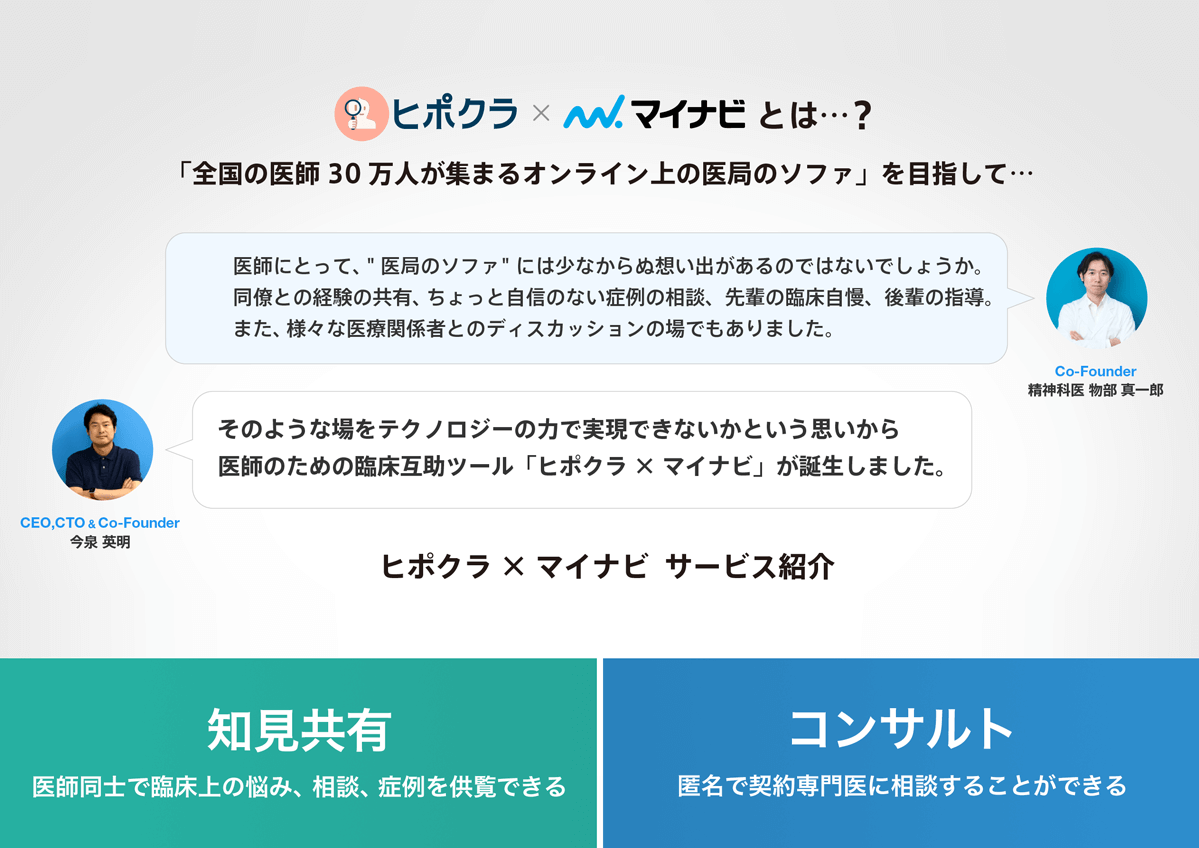
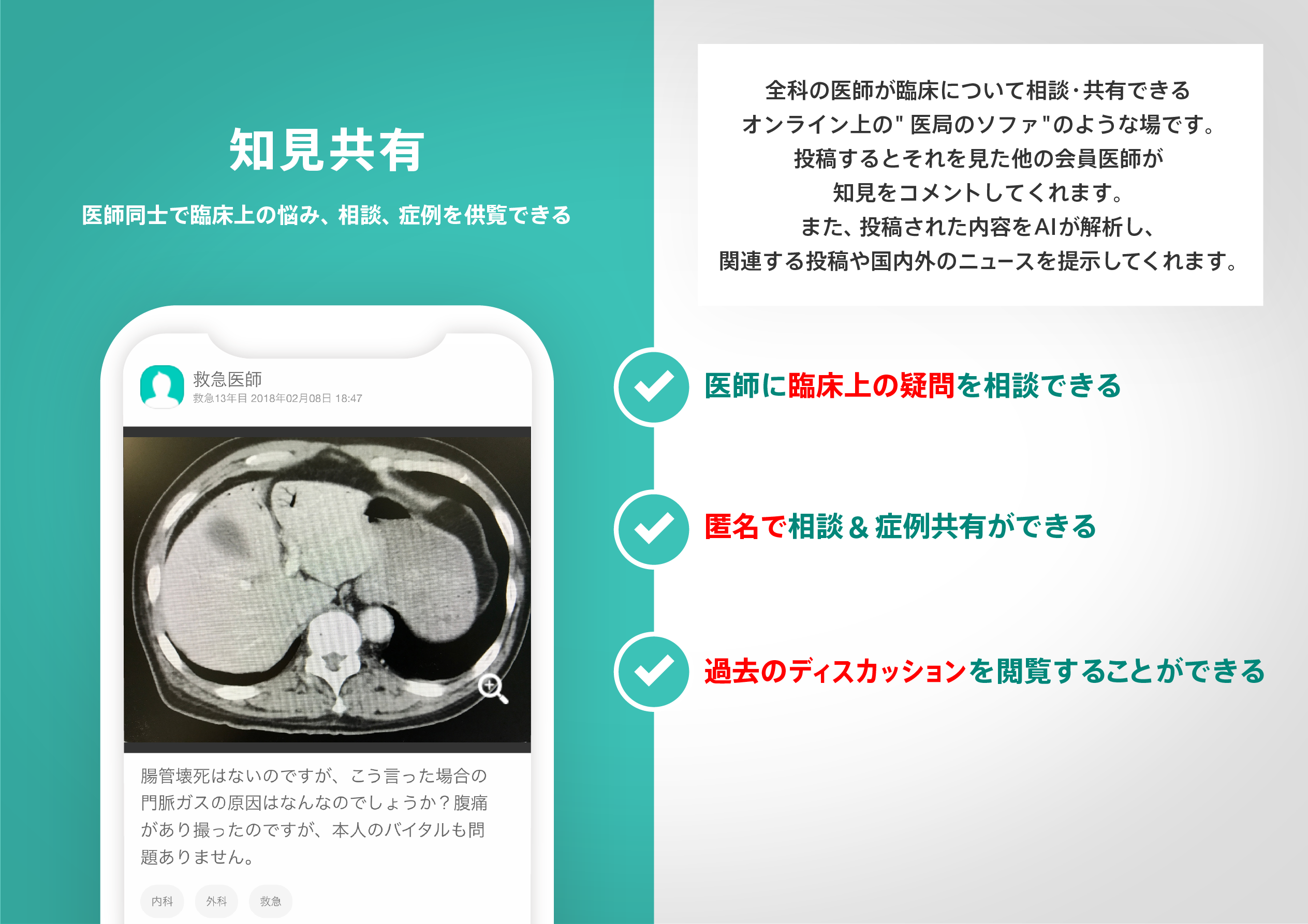
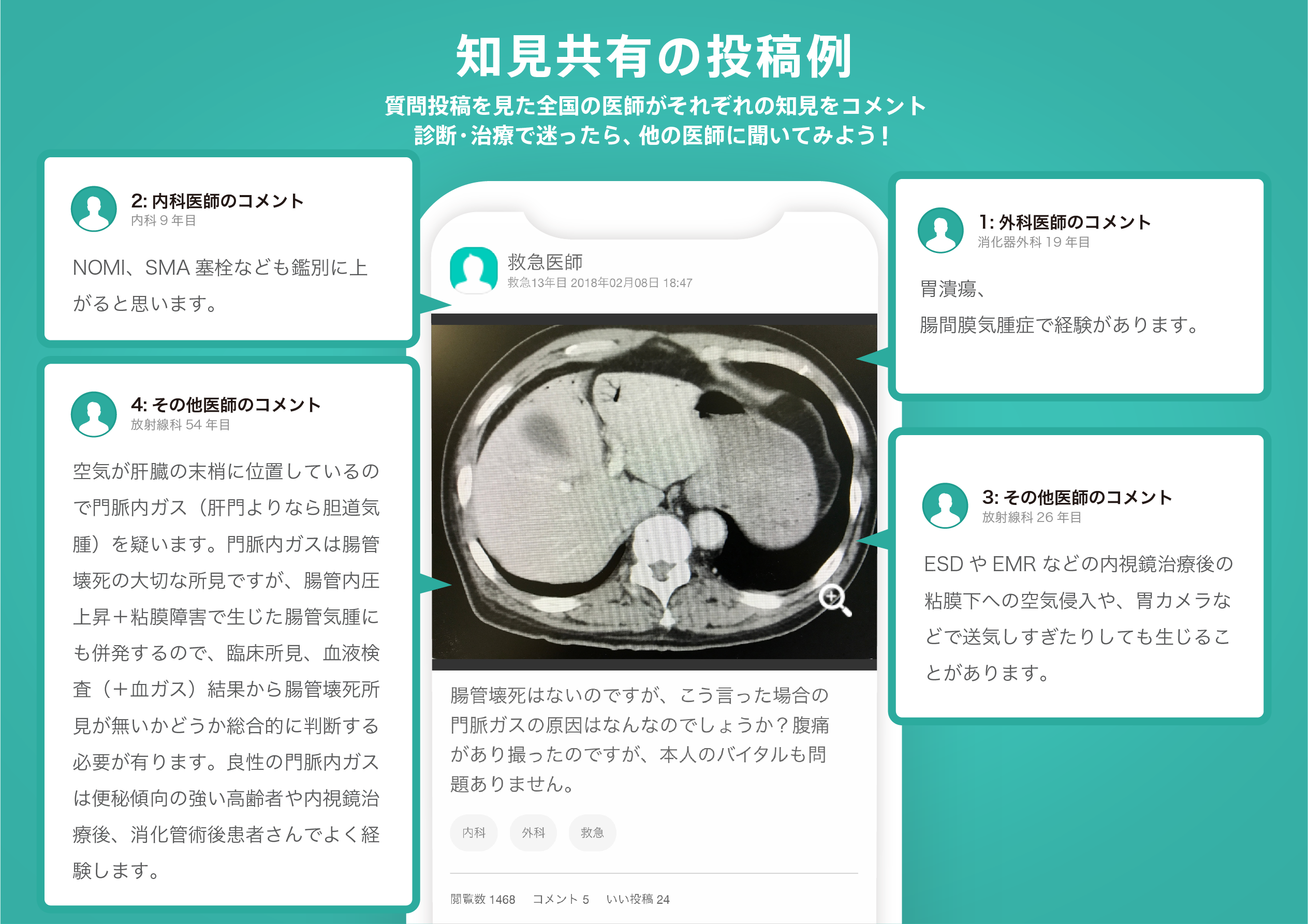
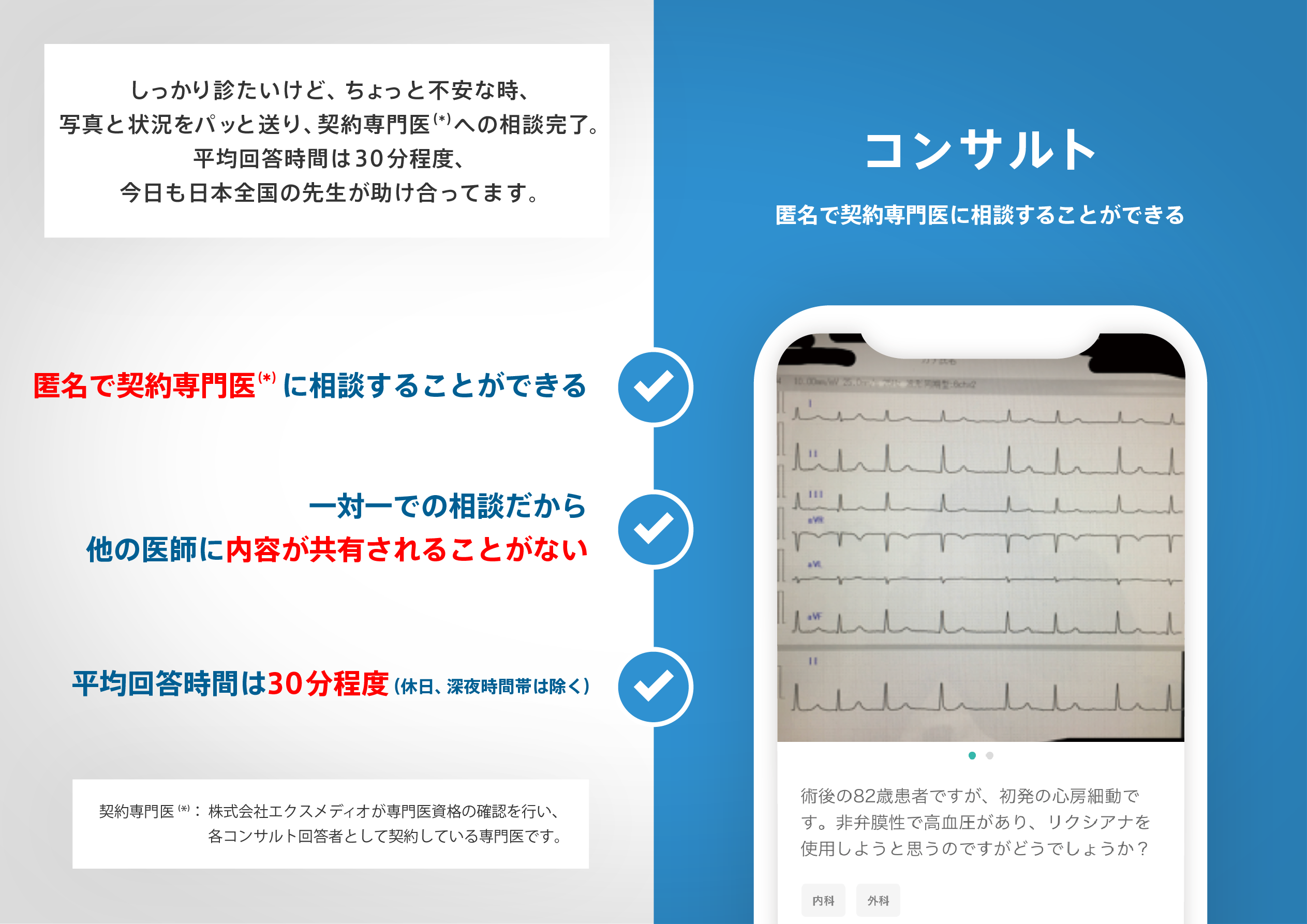
医師のための臨床サポートサービス
ヒポクラ x マイナビのご紹介

無料会員登録していただくと、さらに便利で効率的な検索が可能になります。