著名医師による解説が無料で読めます
すると翻訳の精度が向上します
破傷風とボツリヌスの神経毒素はクロストリジウムによって産生され、破傷風とボツリヌスムの神経障害症候群を引き起こします。破傷風神経毒素は主にCNSシナプスに作用しますが、7つのボツリヌス神経毒は周辺で作用します。閉鎖神経毒素は、細胞中毒の同様のメカニズムを共有しています。それらは、神経伝達物質の放出をブロックします。それらは、2つのジスルフィド結合ポリペプチド鎖で構成されています。より大きなサブユニットは、神経特異的結合と細胞浸透の原因です。還元は、ニューロンサイトゾルの小さな鎖を放出し、そこでは、神経エキソサイトーシス装置のタンパク質成分に特異的な亜鉛 - インンドペプチダーゼ活性を示します。破傷風神経毒およびボツリヌス神経毒B、D、F、およびGは、特異的にVAMP/ Synaptobrevinを認識しています。シナプス小胞膜のこの積分タンパク質は、各ニューロトキシンで異なる単一ペプチド結合で切断されます。ボツリヌスAおよびEニューロトキシンは、カルボキシル末端内の2つの異なる部位で、シナプス前膜のタンパク質であるSNAP-25を特異的に認識および切断します。ボツリヌス神経毒型Cは、神経プラスマレマの別のタンパク質であるシンタキシンを切断します。これらの結果は、VAMP、SNAP-25、およびSyntaxinが神経検体において中心的な役割を果たすことを示しています。これらの3つのタンパク質は、酵母からヒトまで保存されており、すべての細胞のさまざまなドッキングおよび融合イベントに不可欠です。テタヌスとボツリヌスの神経毒素は、特徴的な配列、亜鉛調整のモード、活性化のメカニズム、標的認識を持つ亜鉛 - インンドペプチダーゼの新しいグループを形成します。それらは、ジストニアスの臨床治療中であるため、エキソサイトーシスとエンドサイトーシスのメカニズムの解明に大きな価値があります。
破傷風とボツリヌスの神経毒素はクロストリジウムによって産生され、破傷風とボツリヌスムの神経障害症候群を引き起こします。破傷風神経毒素は主にCNSシナプスに作用しますが、7つのボツリヌス神経毒は周辺で作用します。閉鎖神経毒素は、細胞中毒の同様のメカニズムを共有しています。それらは、神経伝達物質の放出をブロックします。それらは、2つのジスルフィド結合ポリペプチド鎖で構成されています。より大きなサブユニットは、神経特異的結合と細胞浸透の原因です。還元は、ニューロンサイトゾルの小さな鎖を放出し、そこでは、神経エキソサイトーシス装置のタンパク質成分に特異的な亜鉛 - インンドペプチダーゼ活性を示します。破傷風神経毒およびボツリヌス神経毒B、D、F、およびGは、特異的にVAMP/ Synaptobrevinを認識しています。シナプス小胞膜のこの積分タンパク質は、各ニューロトキシンで異なる単一ペプチド結合で切断されます。ボツリヌスAおよびEニューロトキシンは、カルボキシル末端内の2つの異なる部位で、シナプス前膜のタンパク質であるSNAP-25を特異的に認識および切断します。ボツリヌス神経毒型Cは、神経プラスマレマの別のタンパク質であるシンタキシンを切断します。これらの結果は、VAMP、SNAP-25、およびSyntaxinが神経検体において中心的な役割を果たすことを示しています。これらの3つのタンパク質は、酵母からヒトまで保存されており、すべての細胞のさまざまなドッキングおよび融合イベントに不可欠です。テタヌスとボツリヌスの神経毒素は、特徴的な配列、亜鉛調整のモード、活性化のメカニズム、標的認識を持つ亜鉛 - インンドペプチダーゼの新しいグループを形成します。それらは、ジストニアスの臨床治療中であるため、エキソサイトーシスとエンドサイトーシスのメカニズムの解明に大きな価値があります。
Tetanus and botulinum neurotoxins are produced by Clostridia and cause the neuroparalytic syndromes of tetanus and botulism. Tetanus neurotoxin acts mainly at the CNS synapse, while the seven botulinum neurotoxins act peripherally. Clostridial neurotoxins share a similar mechanism of cell intoxication: they block the release of neurotransmitters. They are composed of two disulfide-linked polypeptide chains. The larger subunit is responsible for neurospecific binding and cell penetration. Reduction releases the smaller chain in the neuronal cytosol, where it displays its zinc-endopeptidase activity specific for protein components of the neuroexocytosis apparatus. Tetanus neurotoxin and botulinum neurotoxins B, D, F and G recognize specifically VAMP/ synaptobrevin. This integral protein of the synaptic vesicle membrane is cleaved at single peptide bonds, which differ for each neurotoxin. Botulinum A, and E neurotoxins recognize and cleave specifically SNAP-25, a protein of the presynaptic membrane, at two different sites within the carboxyl-terminus. Botulinum neurotoxin type C cleaves syntaxin, another protein of the nerve plasmalemma. These results indicate that VAMP, SNAP-25 and syntaxin play a central role in neuroexocytosis. These three proteins are conserved from yeast to humans and are essential in a variety of docking and fusion events in every cell. Tetanus and botulinum neurotoxins form a new group of zinc-endopeptidases with characteristic sequence, mode of zinc coordination, mechanism of activation and target recognition. They will be of great value in the unravelling of the mechanisms of exocytosis and endocytosis, as they are in the clinical treatment of dystonias.
医師のための臨床サポートサービス
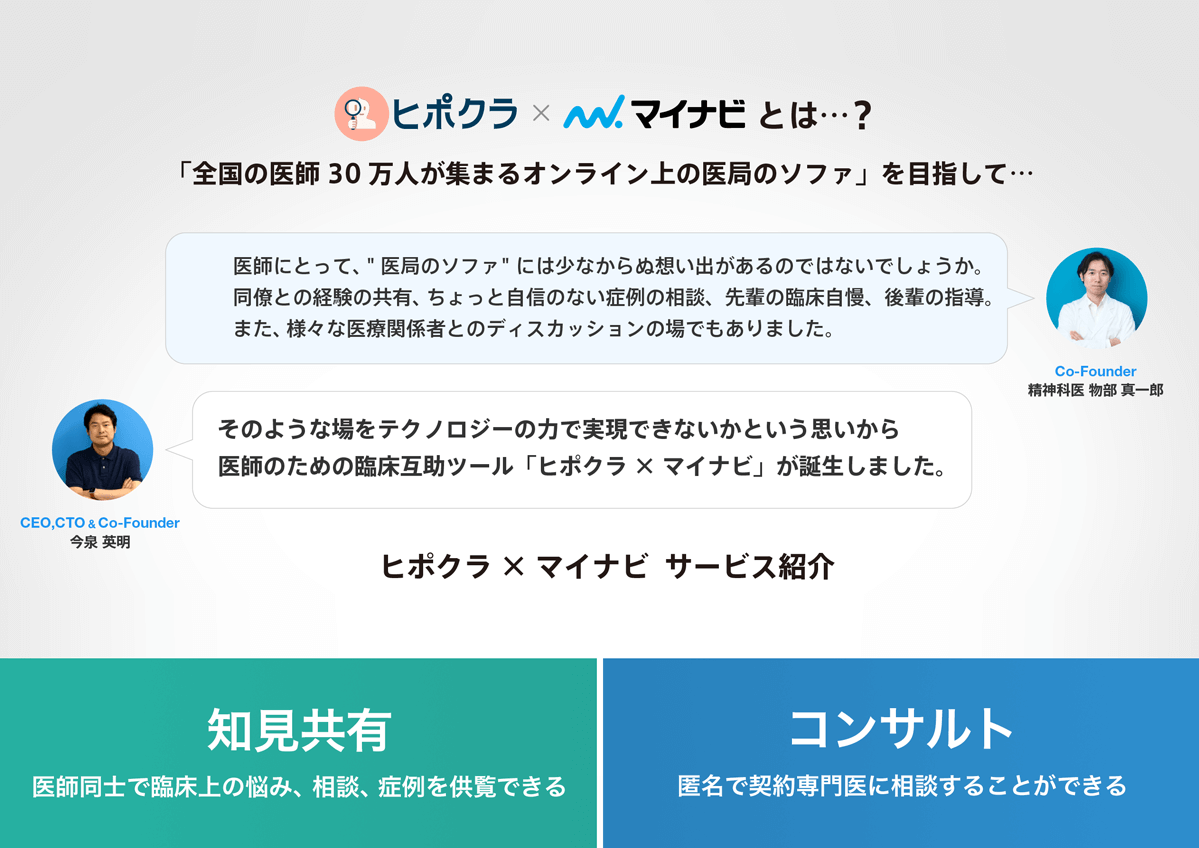
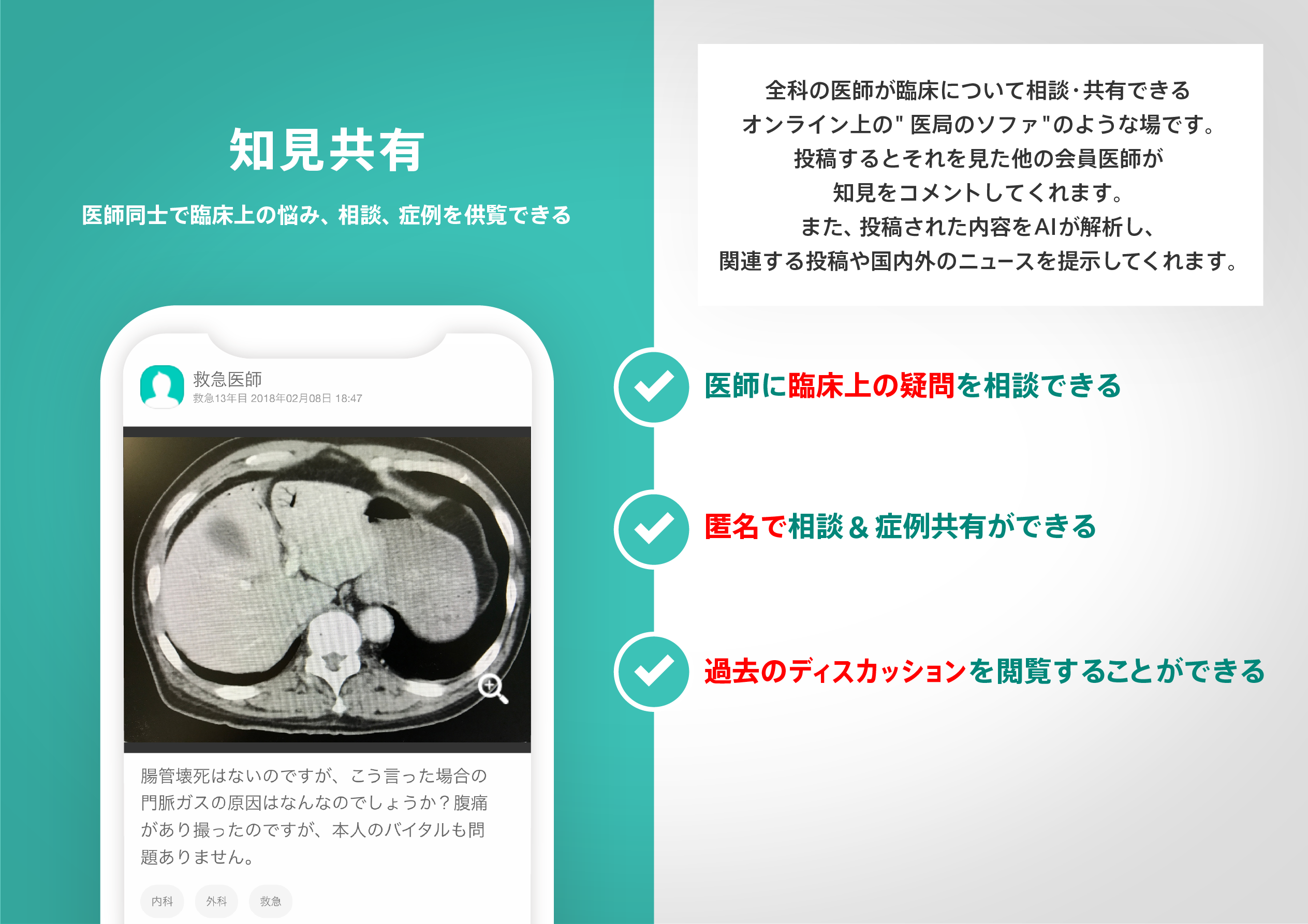
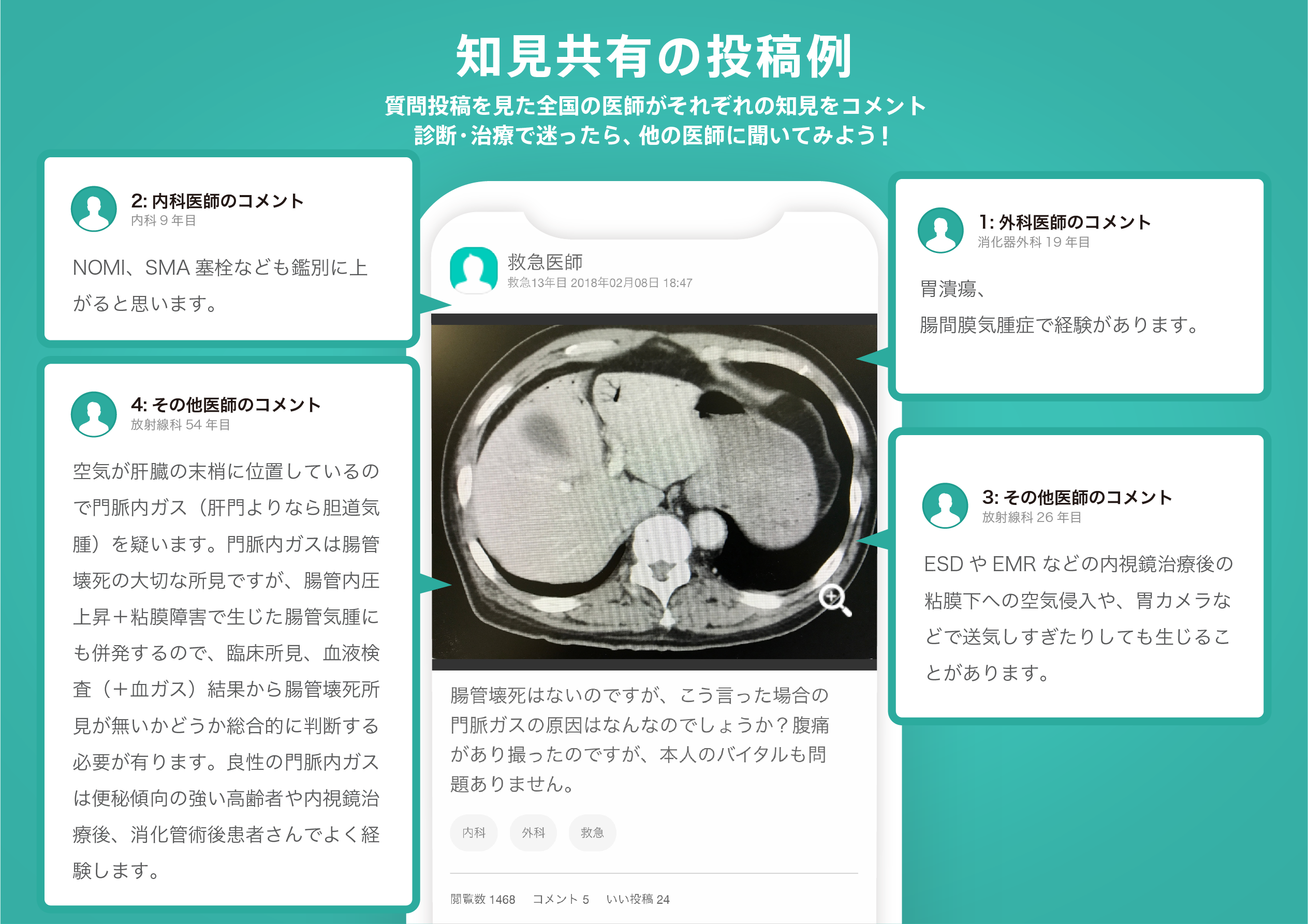
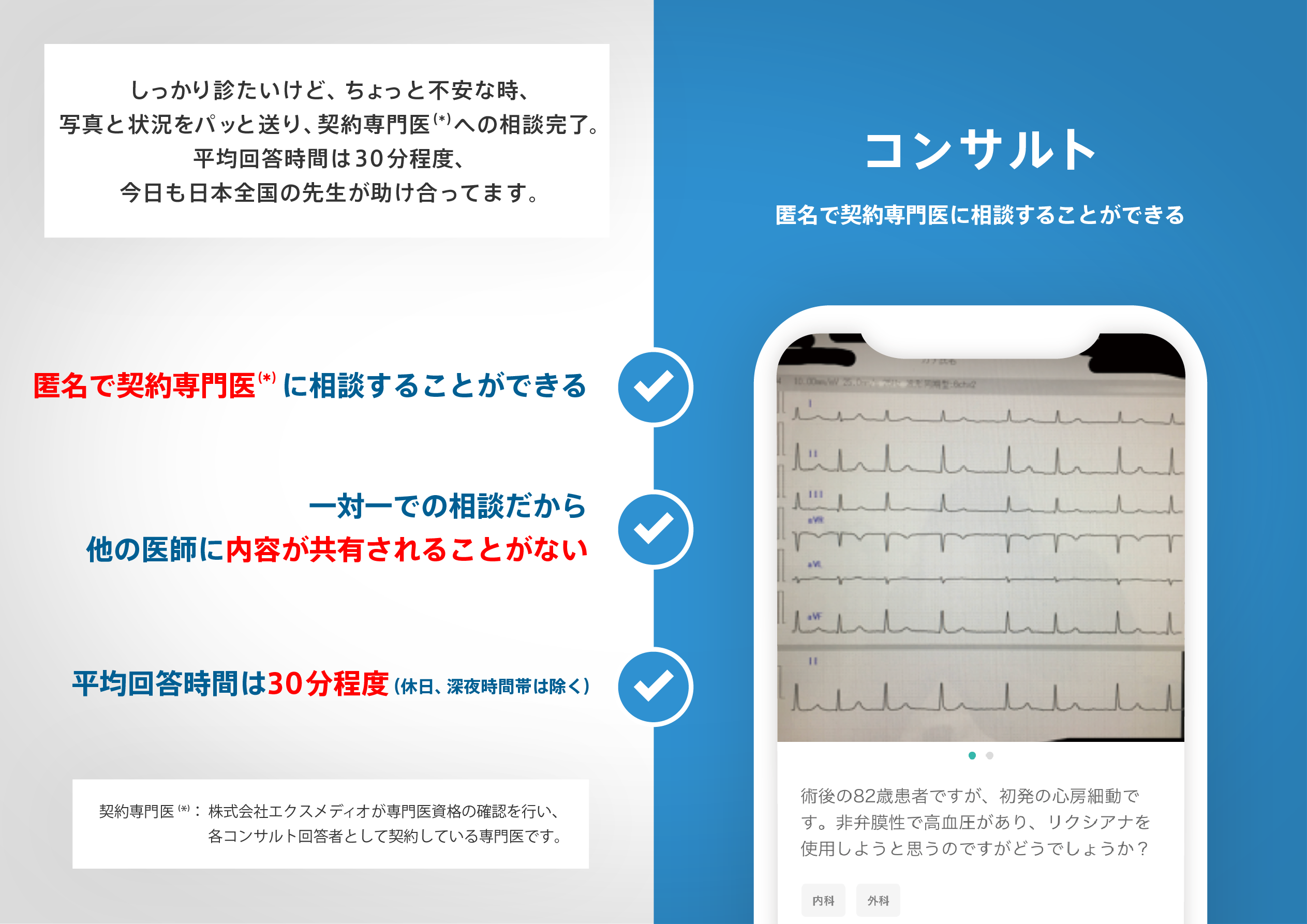
ヒポクラ x マイナビのご紹介

無料会員登録していただくと、さらに便利で効率的な検索が可能になります。