著名医師による解説が無料で読めます
すると翻訳の精度が向上します
5人の男性が、16週間、肘伸筋(Triceps Brachii)筋肉の片側抵抗トレーニングを受けました。トレーニングの前後に、上腕三頭筋の長い頭の筋肉層の厚さと束角をin vivoでBモード超音波を使用して測定し、束の長さを推定しました。上腕三頭筋筋肉のシリーズ解剖学的断面積(ACSA)は、磁気共鳴画像法で測定され、そこから筋肉の体積(VM)が決定され、生理学的断面積(PCSA)が計算されました。肘の伸長強度(等尺性;同心および30、90、および180度での偏心)を等運動動力計を使用して測定して、特定の張力を決定しました。筋肉の体積、ACSA、PCSA、筋肉層の厚さと束の角度は、トレーニング後に増加し、相対的な変化は類似していましたが、筋肉と束の長さは変わりませんでした。筋力はすべての速度で増加しました。ただし、トレーニング後に特定の緊張が減少しました。VMとPCSAの増加の結果である束角の増加は、筋肉構造の変化の発生を意味するように思われます。これは、筋肉の力を生成する特性に悪影響を与えた可能性があります。
5人の男性が、16週間、肘伸筋(Triceps Brachii)筋肉の片側抵抗トレーニングを受けました。トレーニングの前後に、上腕三頭筋の長い頭の筋肉層の厚さと束角をin vivoでBモード超音波を使用して測定し、束の長さを推定しました。上腕三頭筋筋肉のシリーズ解剖学的断面積(ACSA)は、磁気共鳴画像法で測定され、そこから筋肉の体積(VM)が決定され、生理学的断面積(PCSA)が計算されました。肘の伸長強度(等尺性;同心および30、90、および180度での偏心)を等運動動力計を使用して測定して、特定の張力を決定しました。筋肉の体積、ACSA、PCSA、筋肉層の厚さと束の角度は、トレーニング後に増加し、相対的な変化は類似していましたが、筋肉と束の長さは変わりませんでした。筋力はすべての速度で増加しました。ただし、トレーニング後に特定の緊張が減少しました。VMとPCSAの増加の結果である束角の増加は、筋肉構造の変化の発生を意味するように思われます。これは、筋肉の力を生成する特性に悪影響を与えた可能性があります。
Five men underwent unilateral resistance training of elbow extensor (triceps brachii) muscles for 16 weeks. Before and after training, muscle layer thickness and fascicle angles of the long head of the triceps muscle were measured in vivo using B-mode ultrasound, and fascicle lengths were estimated. Series anatomical cross-sectional areas (ACSA) of the triceps brachii muscle were measured by magnetic resonance imaging, from which muscle volume (Vm) was determined and physiological cross-sectional area (PCSA) was calculated. Elbow extension strength (isometric; concentric and eccentric at 30, 90 and 180 degrees.s-1) was measured using an isokinetic dynamometer to determine specific tension. Muscle volumes, ACSA, PCSA, muscle layer thickness and fascicle angles increased after training and their relative changes were similar, while muscle and fascicle length did not change. Muscle strength increased at all velocities; however, specific tension decreased after training. Increase in fascicle angles, which would be the result of increased Vm and PCSA, would seem to imply the occurrence of changes in muscle architecture. This might have given a negative effect on the force-generating properties of the muscles.
医師のための臨床サポートサービス
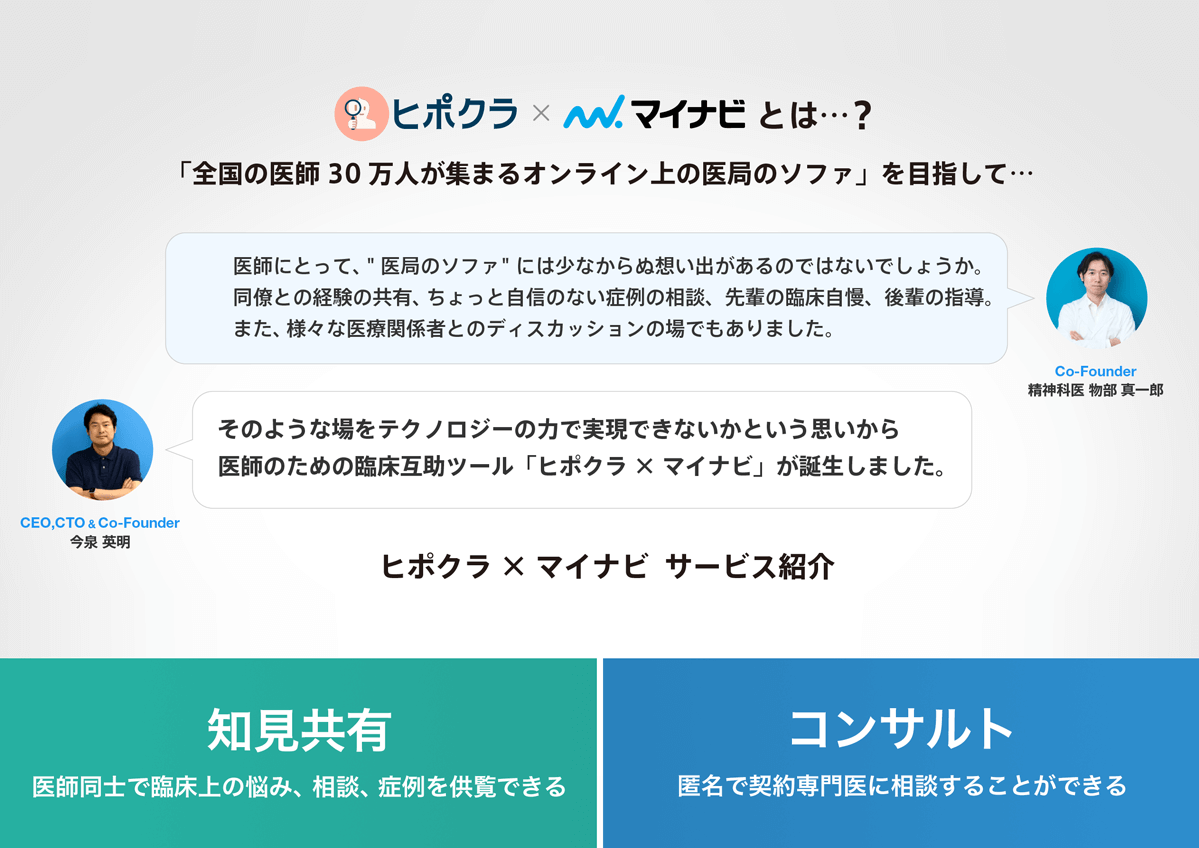
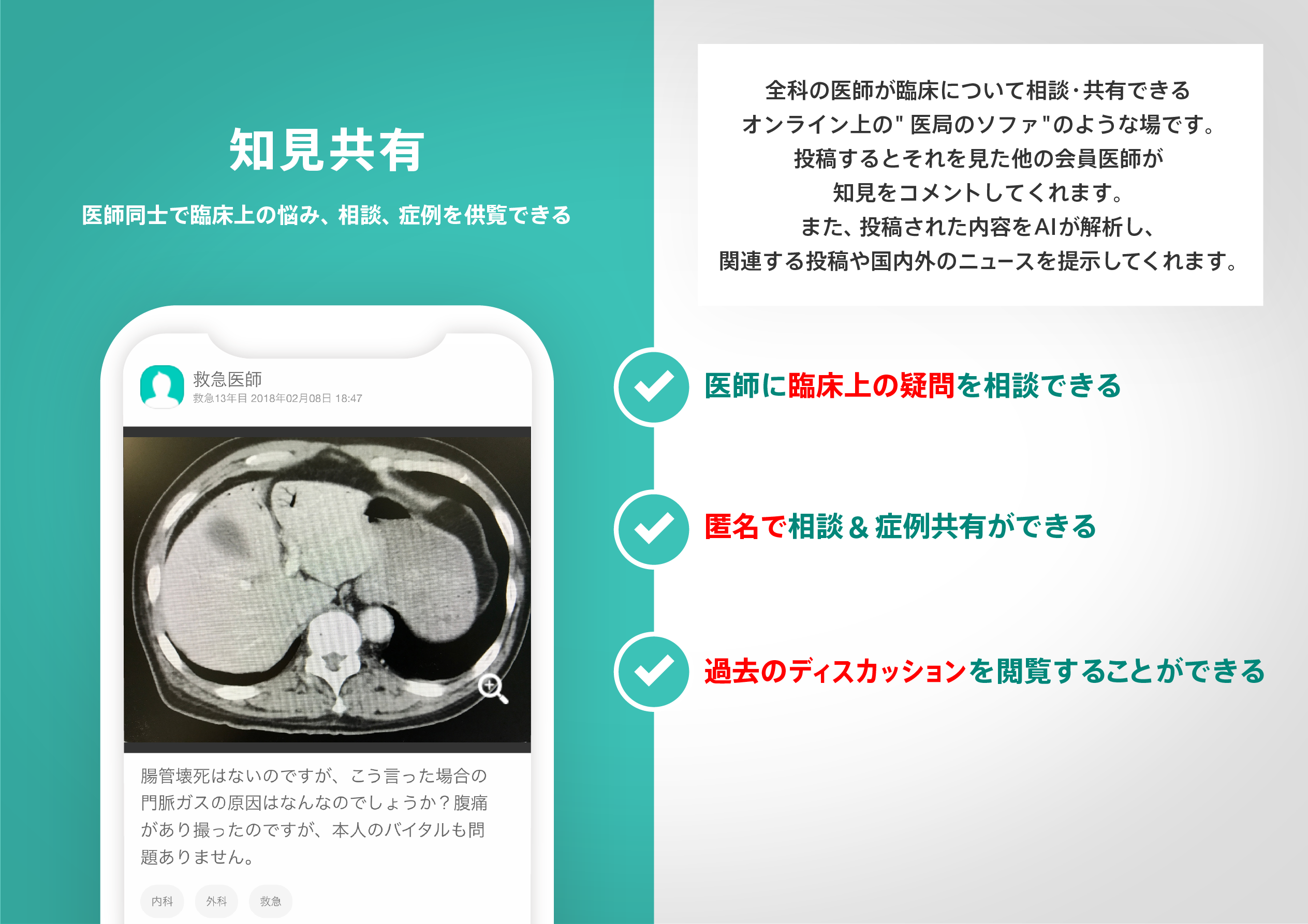
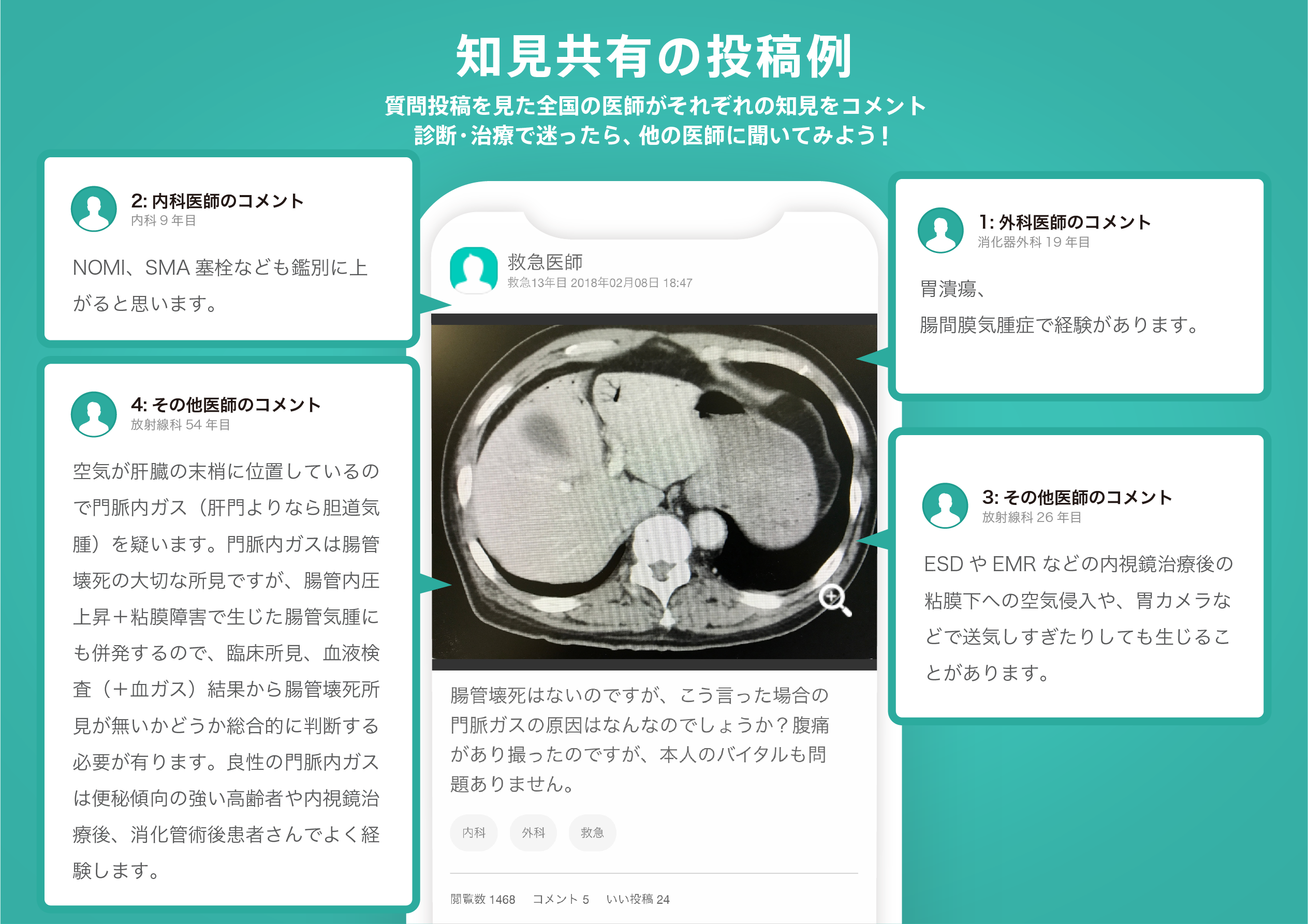
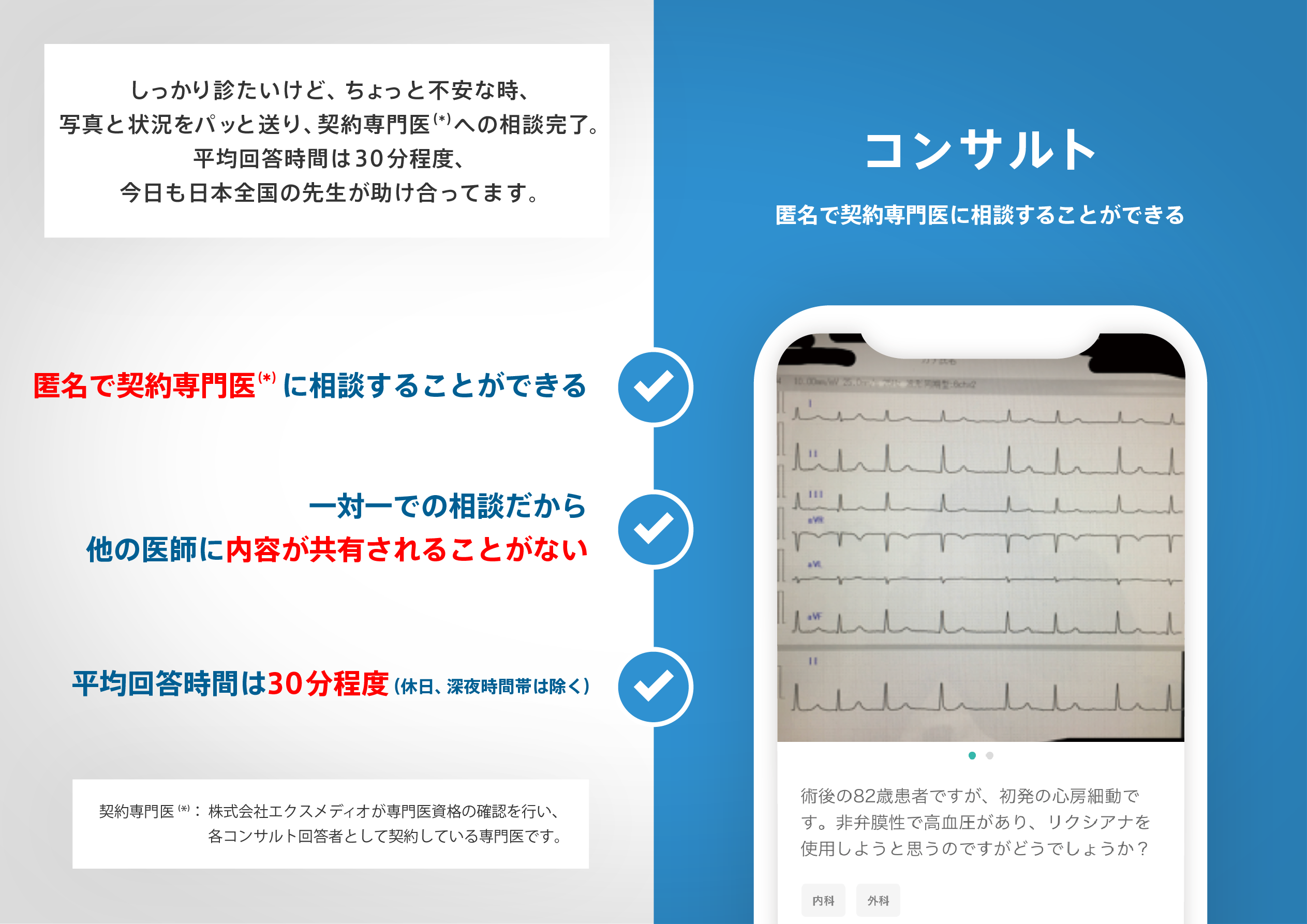
ヒポクラ x マイナビのご紹介

無料会員登録していただくと、さらに便利で効率的な検索が可能になります。