著名医師による解説が無料で読めます
すると翻訳の精度が向上します
目的:血清前立腺特異抗原(PSA)と組み合わせたいくつかの組織病理学的および定量的核イメージングパラメーターを使用して、非オーガン閉じ込めの前立腺がんを予測する能力の向上を決定しました。 材料と方法:六重量性のPSAと同様に、術前PSAから得られたいくつかの独立した病理学的および定量的画像分析変数が使用されました。研究集団には、病理学的に段階的な疾患の患者210人が含まれていました(192人のPSA)。すべての変数は、疾患臓器閉じ込めの状態を予測する能力を評価するために、単変量および多変量ロジスティック回帰分析によって調べられました。 結果:単変量ロジスティック回帰分析により、順序の減少、定量的核グレード、術前PSA、合計腫瘍の関与、陽性セクステントコアの数、術前グリーンスコアの数、および塩基および/または頂点生検の5%以上の関与が有意であることが実証されました(P <OR = 0.006)。疾患臓器閉じ込め状態の予測のための多変量モデルを計算するために、デオキシリボヌクレ酸倍酸性を含むこれらの単一の重要な変数に後方段階的なロジスティック回帰が適用されました。このアルゴリズムの感度は85.7%、特異性71.3%、正の予測値72.9%、負の予測値84.7%、レシーバー動作特性曲線85.9%の面積がありました。 結論:六重量症の生検、術前PSA血液検査、および定量的核グレードと呼ばれる新しい画像分析変数の病理学的研究からの情報を組み合わせて、以前に報告された方法と比較してより正確に非臓器閉じ込められた前立腺癌を予測できる多変量アルゴリズムを作成できます。
目的:血清前立腺特異抗原(PSA)と組み合わせたいくつかの組織病理学的および定量的核イメージングパラメーターを使用して、非オーガン閉じ込めの前立腺がんを予測する能力の向上を決定しました。 材料と方法:六重量性のPSAと同様に、術前PSAから得られたいくつかの独立した病理学的および定量的画像分析変数が使用されました。研究集団には、病理学的に段階的な疾患の患者210人が含まれていました(192人のPSA)。すべての変数は、疾患臓器閉じ込めの状態を予測する能力を評価するために、単変量および多変量ロジスティック回帰分析によって調べられました。 結果:単変量ロジスティック回帰分析により、順序の減少、定量的核グレード、術前PSA、合計腫瘍の関与、陽性セクステントコアの数、術前グリーンスコアの数、および塩基および/または頂点生検の5%以上の関与が有意であることが実証されました(P <OR = 0.006)。疾患臓器閉じ込め状態の予測のための多変量モデルを計算するために、デオキシリボヌクレ酸倍酸性を含むこれらの単一の重要な変数に後方段階的なロジスティック回帰が適用されました。このアルゴリズムの感度は85.7%、特異性71.3%、正の予測値72.9%、負の予測値84.7%、レシーバー動作特性曲線85.9%の面積がありました。 結論:六重量症の生検、術前PSA血液検査、および定量的核グレードと呼ばれる新しい画像分析変数の病理学的研究からの情報を組み合わせて、以前に報告された方法と比較してより正確に非臓器閉じ込められた前立腺癌を予測できる多変量アルゴリズムを作成できます。
PURPOSE: We determined the enhanced ability to predict nonorgan confined prostate cancer using several histopathological and quantitative nuclear imaging parameters combined with serum prostate specific antigen (PSA). MATERIALS AND METHODS: Several independent pathological and quantitative image analysis variables obtained from sextant biopsy specimens, as well as preoperative PSA were used. The study population included 210 patients with pathologically staged disease (192 with PSA). All variables were examined by univariate and multivariate logistic regression analyses to assess ability to predict disease organ confinement status. RESULTS: Univariate logistic regression analysis demonstrated that, in decreasing order, quantitative nuclear grade, preoperative PSA, total percent tumor involvement, number of positive sextant cores, preoperative Gleason score and involvement of more than 5% of a base and/or apex biopsy were significant (p < or = 0.006) for prediction of disease organ confinement status. Backward stepwise logistic regression was applied to these univariately significant variables, including deoxyribonucleic acid ploidy, to calculate a multivariate model for prediction of disease organ confinement status. This algorithm had a sensitivity of 85.7%, specificity 71.3%, positive predictive value 72.9%, negative predictive value 84.7% and area under the receiver operating characteristic curve 85.9%. CONCLUSIONS: Information from pathological study of sextant prostate biopsies, preoperative PSA blood test and a new image analysis variable termed quantitative nuclear grade can be combined to create a multivariate algorithm that can predict more accurately nonorgan confined prostate cancer compared to previously reported methods.
医師のための臨床サポートサービス
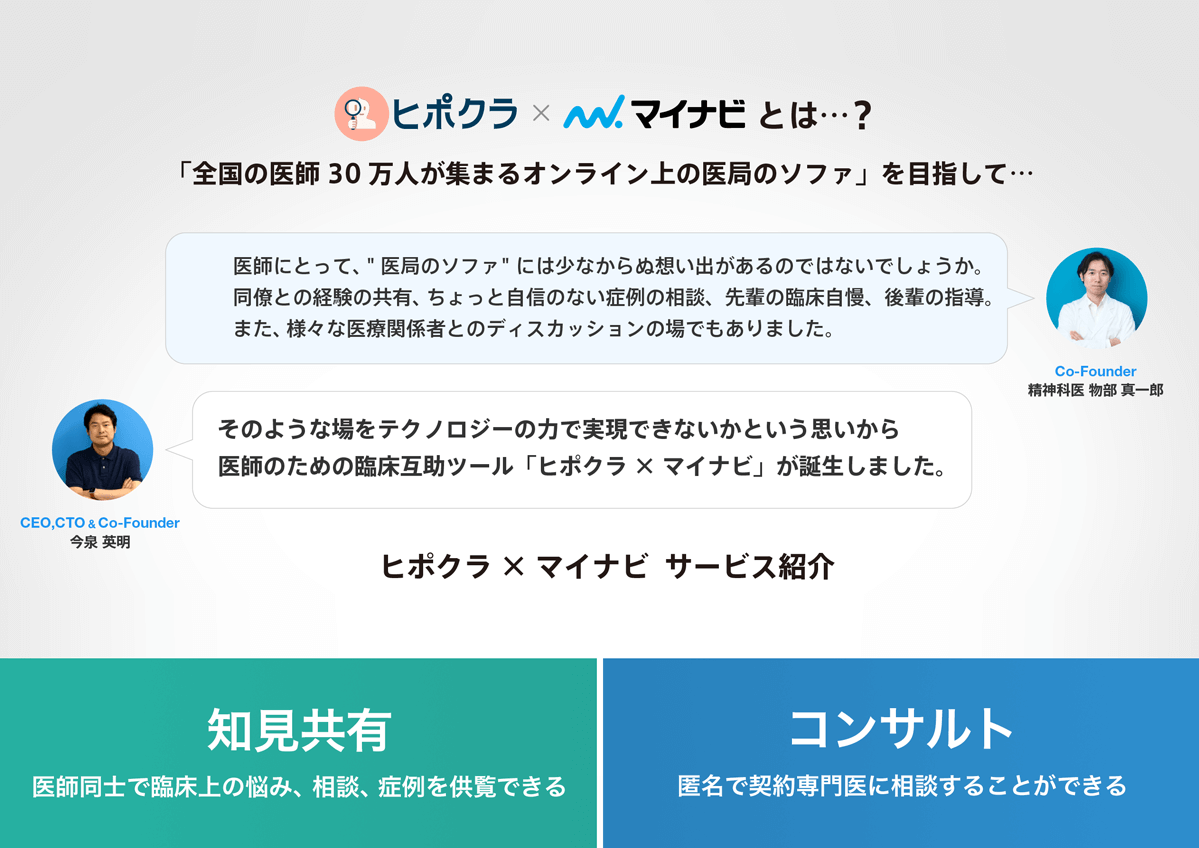
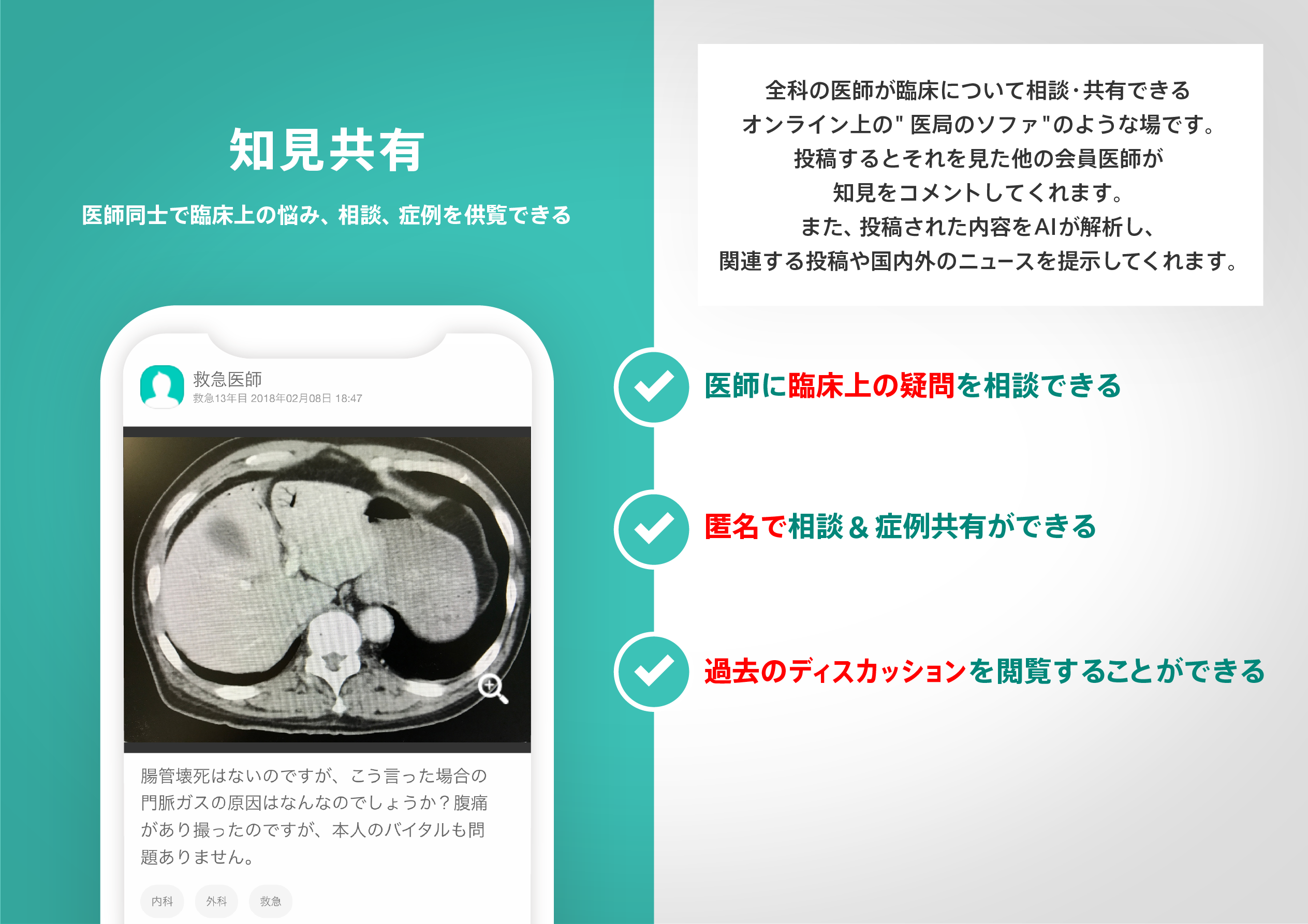
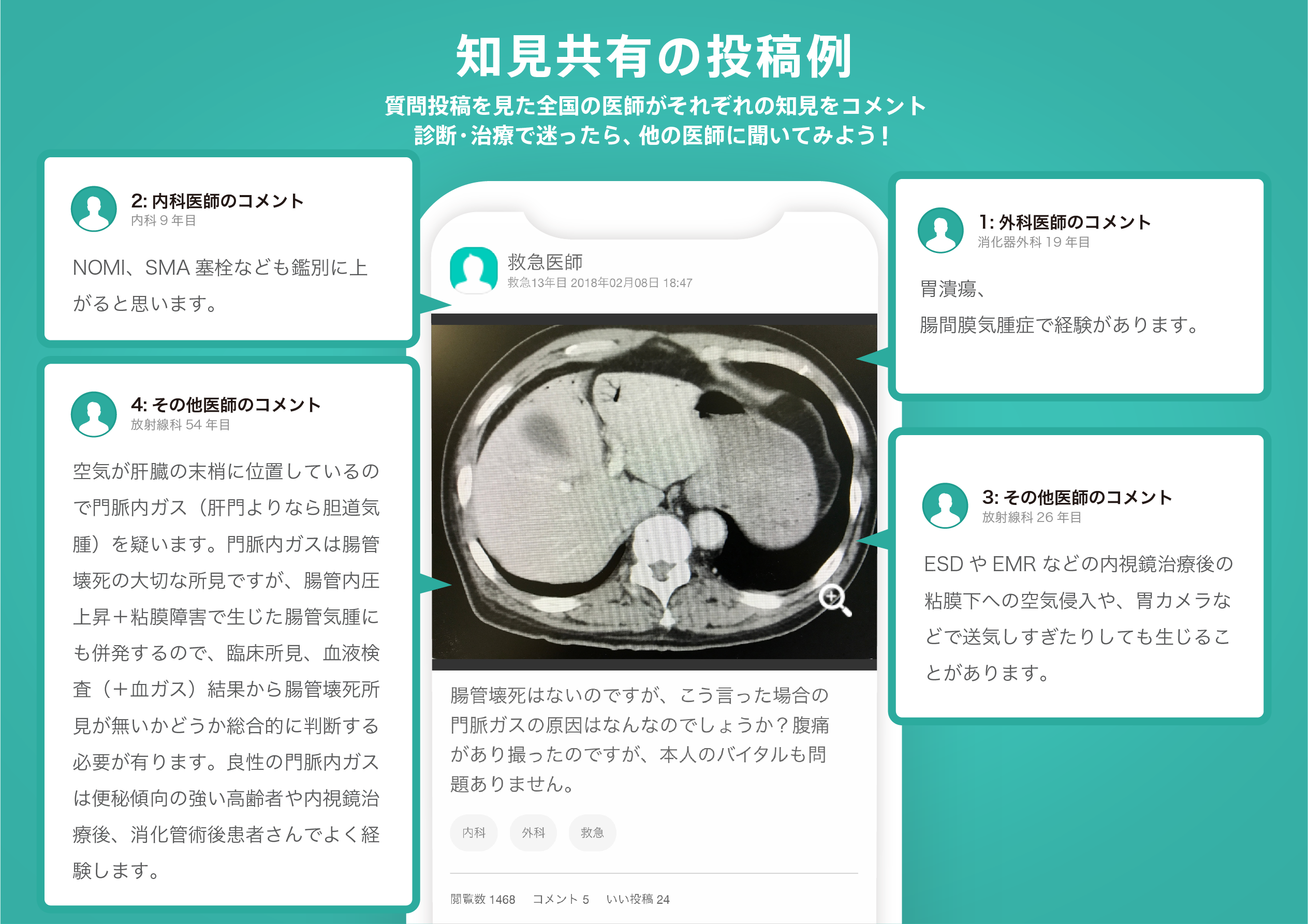
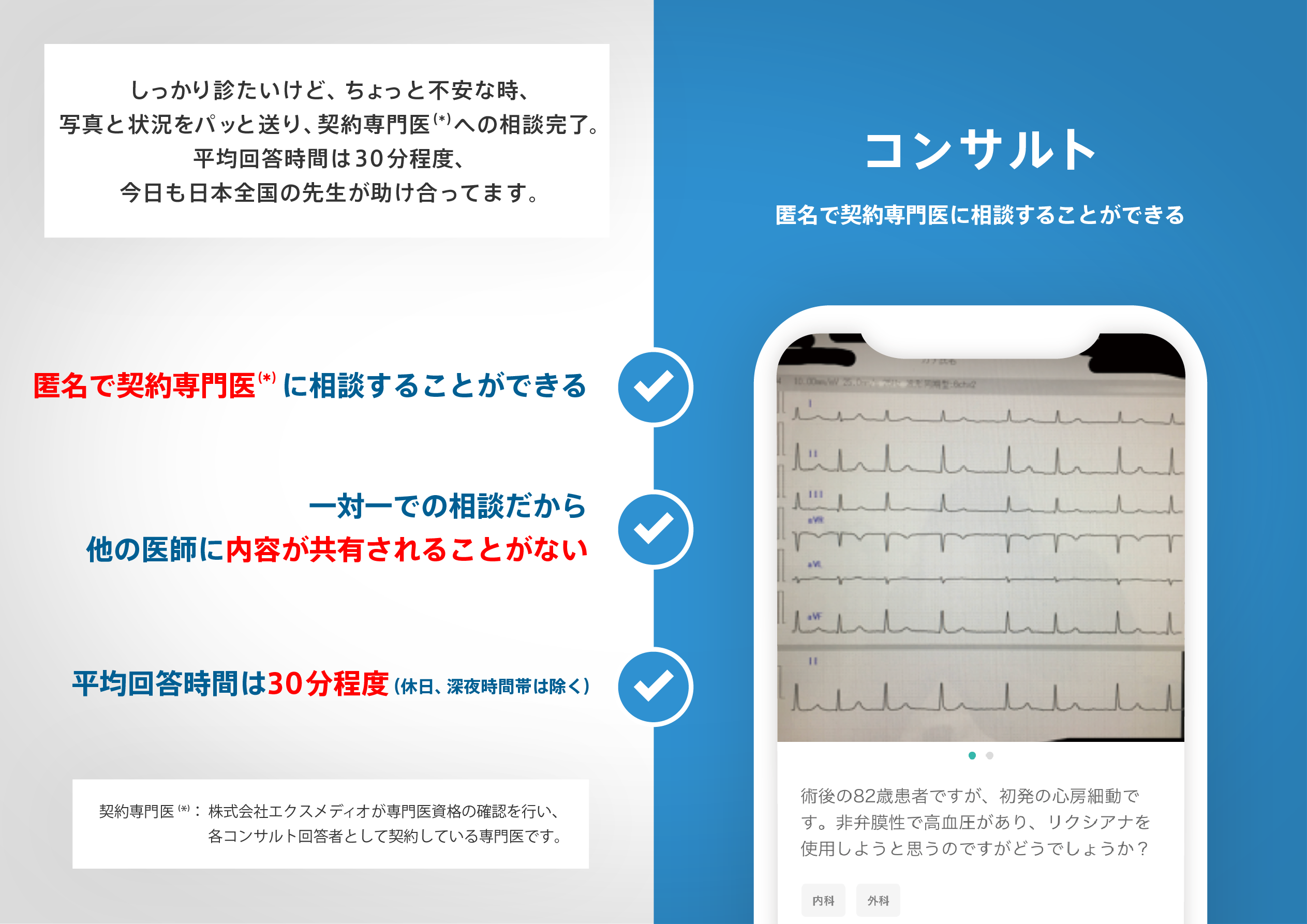
ヒポクラ x マイナビのご紹介

無料会員登録していただくと、さらに便利で効率的な検索が可能になります。