著名医師による解説が無料で読めます
すると翻訳の精度が向上します
1.多くのD2様ドーパミン受容体拮抗薬の効果は、ヒトD2ショートドーパミン受容体(CHO-D2S細胞)を発現する中国のハムスター卵巣(CHO)細胞におけるフォルスコリン刺激環式AMP蓄積に対して決定されています。2.ドーパミンは、フォルスコリンの効果を阻害しました(D2受容体については予想どおり)。ただし、UH232および( - ) - ButaClamolを除いて、テストされたすべての拮抗薬は、フォルスコリン制御レベルを上回るサイクリックアンプの蓄積を増加させることができました。(+) - ButaClamolは、ヒトD2LONGドーパミン受容体を発現するCHO細胞株におけるフォルスコリン刺激サイクリックAMP蓄積の同様の刺激を誘発しましたが、非トランスレクトCHO-K1細胞におけるフォルスコリン刺激環蓄積に対する刺激効果はありませんでした。3.環状AMP蓄積の増強のためにこれらの化合物のEC50値と、CHO-D2S細胞における放射性リガンド結合実験からのKI値との間には強い相関がありました。4. CHO-D2S細胞における(+) - ButAclamolとドーパミンの両方の効果は、Pretussis毒素による治療前から阻害され、GI/GOタンパク質の役割を示しています。5. UH232はフォルスコリン刺激環式アンプの蓄積に有意に影響しませんでしたが、この物質はドーパミンと(+) - ブタラモールの両方の効果を濃度依存的に阻害することができました。したがって、フォルスコリン刺激サイクリックAMP蓄積に対する(+) - butAclamolの効果は、内因性アゴニストの効果を逆転させるのではなく、D2受容体を介して直接媒介されます。6.これらのデータは、ここでテストされたD2ドーパミン受容体拮抗薬が抗精神病薬として臨床的に使用されていることを示唆していますが、実際にはヒトD2ドーパミン受容体の逆アゴニストです。
1.多くのD2様ドーパミン受容体拮抗薬の効果は、ヒトD2ショートドーパミン受容体(CHO-D2S細胞)を発現する中国のハムスター卵巣(CHO)細胞におけるフォルスコリン刺激環式AMP蓄積に対して決定されています。2.ドーパミンは、フォルスコリンの効果を阻害しました(D2受容体については予想どおり)。ただし、UH232および( - ) - ButaClamolを除いて、テストされたすべての拮抗薬は、フォルスコリン制御レベルを上回るサイクリックアンプの蓄積を増加させることができました。(+) - ButaClamolは、ヒトD2LONGドーパミン受容体を発現するCHO細胞株におけるフォルスコリン刺激サイクリックAMP蓄積の同様の刺激を誘発しましたが、非トランスレクトCHO-K1細胞におけるフォルスコリン刺激環蓄積に対する刺激効果はありませんでした。3.環状AMP蓄積の増強のためにこれらの化合物のEC50値と、CHO-D2S細胞における放射性リガンド結合実験からのKI値との間には強い相関がありました。4. CHO-D2S細胞における(+) - ButAclamolとドーパミンの両方の効果は、Pretussis毒素による治療前から阻害され、GI/GOタンパク質の役割を示しています。5. UH232はフォルスコリン刺激環式アンプの蓄積に有意に影響しませんでしたが、この物質はドーパミンと(+) - ブタラモールの両方の効果を濃度依存的に阻害することができました。したがって、フォルスコリン刺激サイクリックAMP蓄積に対する(+) - butAclamolの効果は、内因性アゴニストの効果を逆転させるのではなく、D2受容体を介して直接媒介されます。6.これらのデータは、ここでテストされたD2ドーパミン受容体拮抗薬が抗精神病薬として臨床的に使用されていることを示唆していますが、実際にはヒトD2ドーパミン受容体の逆アゴニストです。
1. The effects of a number of D2-like dopamine receptor antagonists have been determined on forskolin-stimulated cyclic AMP accumulation in Chinese hamster ovary (CHO) cells expressing the human D2short dopamine receptor (CHO-D2S cells). 2. Dopamine inhibited the effect of forskolin (as expected for a D2 receptor). However, all of the antagonists tested, apart from UH232 and (-)-butaclamol, were able to increase cyclic AMP accumulation above the forskolin control level. (+)-Butaclamol elicited a similar stimulation of forskolin-stimulated cyclic AMP accumulation in a CHO cell line expressing human D2long dopamine receptors whereas it exhibited no stimulating effect on forskolin-stimulated cyclic AMP accumulation in untransfected CHO-K1 cells. 3. There was a strong correlation between the EC50 values of these compounds for potentiation of cyclic AMP accumulation and their Ki values from radioligand binding experiments in CHO-D2S cells. 4. The effects of both (+)-butaclamol and dopamine in CHO-D2S cells were inhibited by pre-treatment with pertussis toxin indicating a role for Gi/Go proteins. 5. UH232 did not significantly affect forskolin-stimulated cyclic AMP accumulation but this substance was able to inhibit the effects of both dopamine and (+)-butaclamol in a concentration-dependent manner. Thus the effects of (+)-butaclamol on forskolin-stimulated cyclic AMP accumulation are mediated directly via the D2 receptor rather than by reversal of the effects of an endogenous agonist. 6. These data suggest that the D2 dopamine receptor antagonists tested here, many of which are used clinically as antipsychotic drugs, are in fact inverse agonists at human D2 dopamine receptors.
医師のための臨床サポートサービス
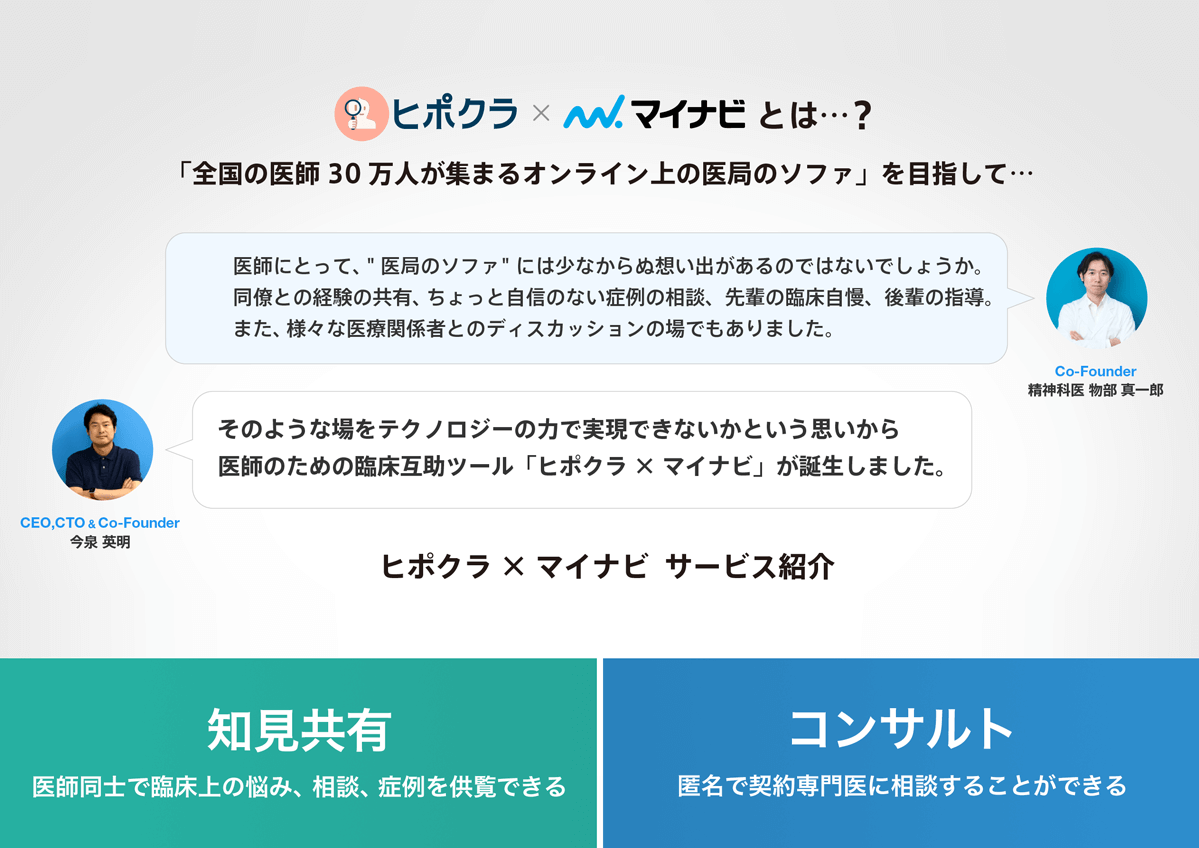
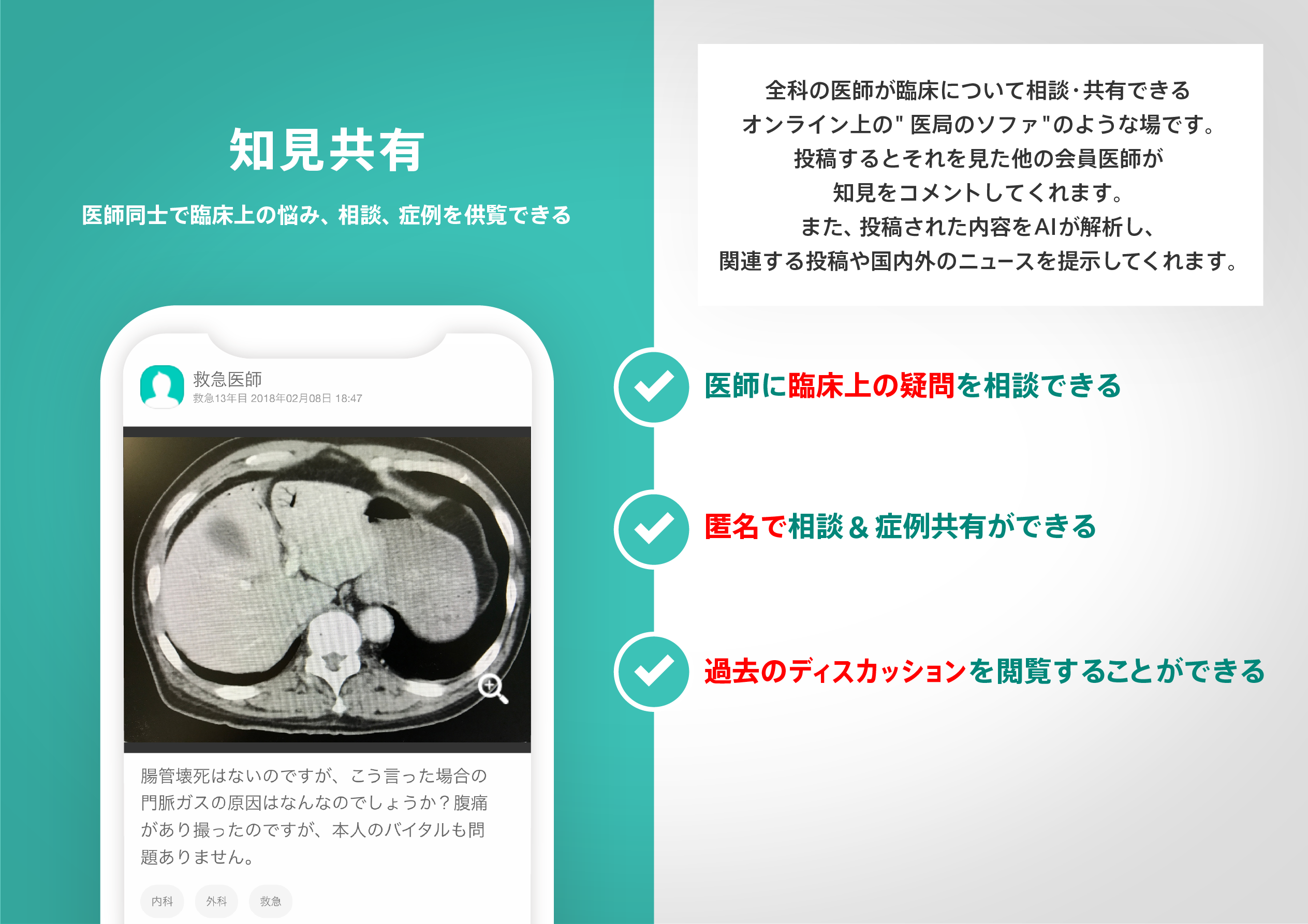
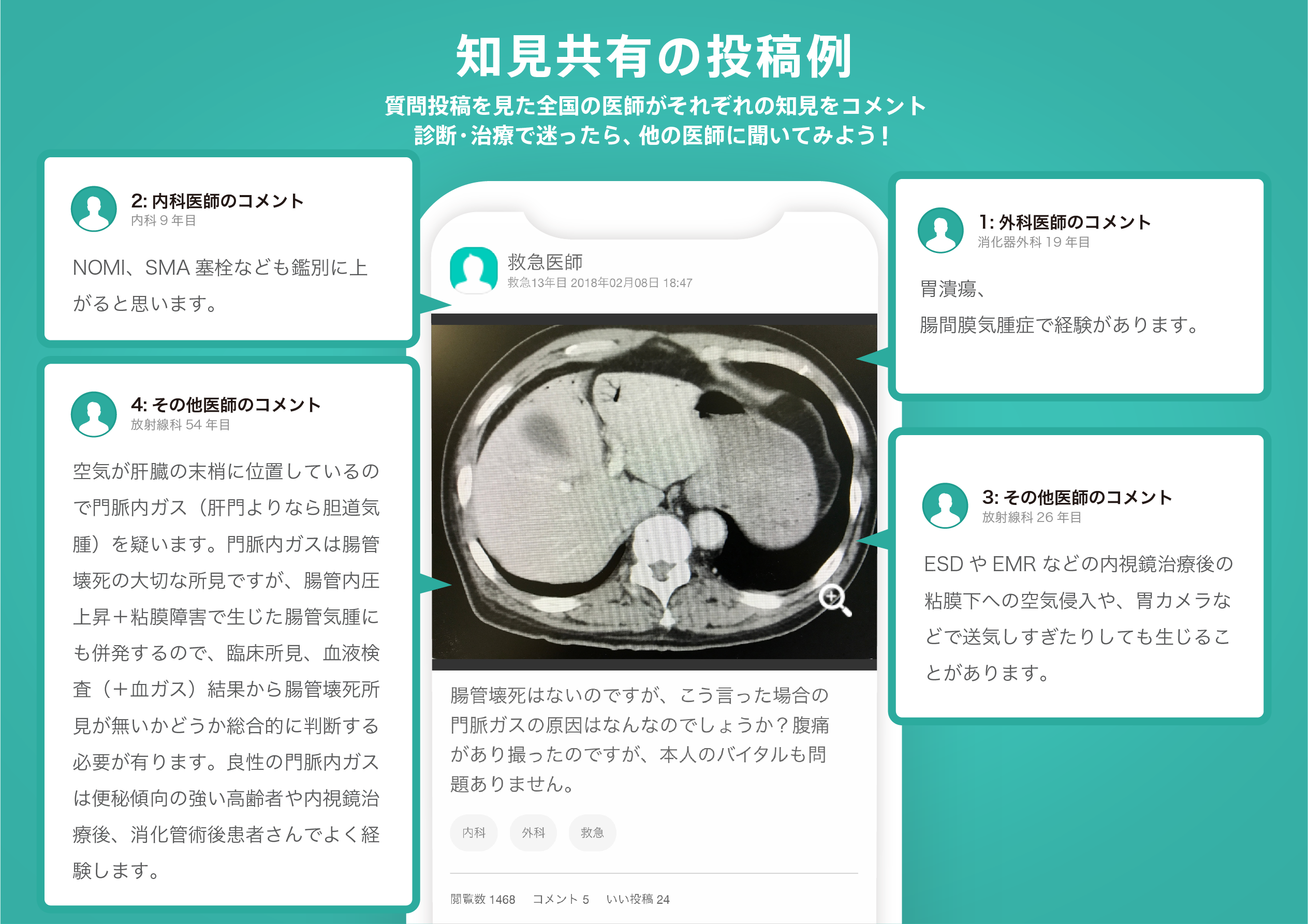
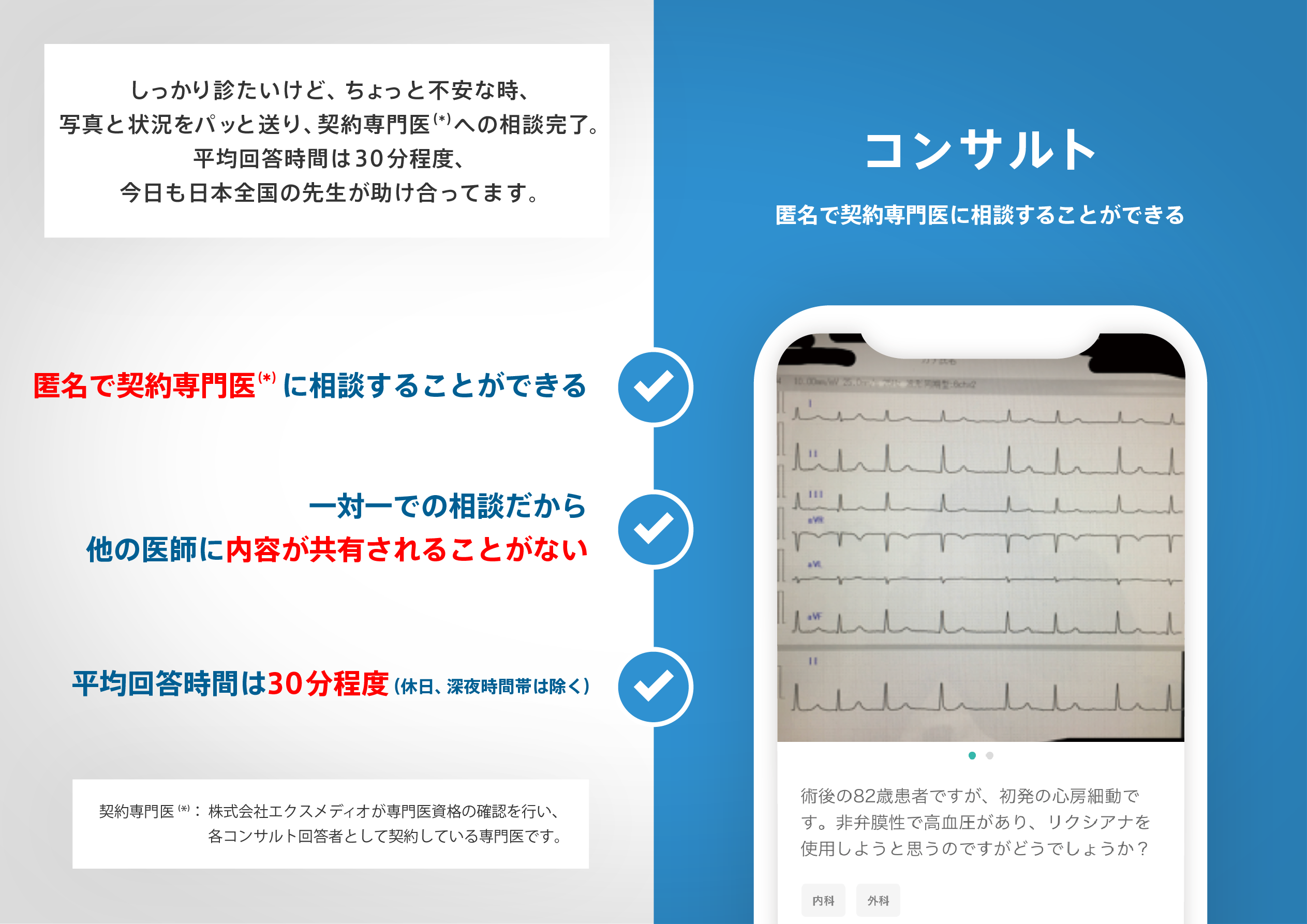
ヒポクラ x マイナビのご紹介

無料会員登録していただくと、さらに便利で効率的な検索が可能になります。