著名医師による解説が無料で読めます
すると翻訳の精度が向上します
UV共鳴ラマン分光法を使用して、pH 7.5と1.5の間の馬心水メミロビン(MB)の酸性変性を研究しました。206.5 nmで励起されたラマンスペクトルは、新しい方法論を使用してMB二次構造を定量的に決定することによって分析されます。対照的に、229 nmのラマンスペクトルは、TyrおよびTRPラマンバンドによって支配されており、水への曝露、水素結合、TRPの変化など、TYRおよびTRP環境の変化を調べるために分析されます。TRPリングとタンパク質バックボーンへの連鎖の間の角度。アミド、Tyr、およびTRPラマンのスペクトル情報をヘム吸収スペクトル情報と組み合わせることにより、どのMBアルファヘリックスが溶けるかを独自に決定しました。MBアルファヘリカルの組成は、中性pHの約80%からpH 3.5未満の約19%に減少すると計算します。TRPラマンの断面は、低pHで劇的に減少し、水に完全にさらされていることを示します。この結果は、ヘリックスが溶けることを示しています。TyrラマンバンドはpH独立性であり、Tyr残基の周りのGおよびHヘリックスが溶けないことを示しています。劇的なヘム吸収酸の変性の変化は、ヘムポケットの主要な変化とヘム結合の変化を示しています。これらの結果は、a、b、c、d、e、およびfのヘリックスが協調した方法で溶け、逆平行GおよびHヘリックスが部分的にしか溶けないことを示しています。
UV共鳴ラマン分光法を使用して、pH 7.5と1.5の間の馬心水メミロビン(MB)の酸性変性を研究しました。206.5 nmで励起されたラマンスペクトルは、新しい方法論を使用してMB二次構造を定量的に決定することによって分析されます。対照的に、229 nmのラマンスペクトルは、TyrおよびTRPラマンバンドによって支配されており、水への曝露、水素結合、TRPの変化など、TYRおよびTRP環境の変化を調べるために分析されます。TRPリングとタンパク質バックボーンへの連鎖の間の角度。アミド、Tyr、およびTRPラマンのスペクトル情報をヘム吸収スペクトル情報と組み合わせることにより、どのMBアルファヘリックスが溶けるかを独自に決定しました。MBアルファヘリカルの組成は、中性pHの約80%からpH 3.5未満の約19%に減少すると計算します。TRPラマンの断面は、低pHで劇的に減少し、水に完全にさらされていることを示します。この結果は、ヘリックスが溶けることを示しています。TyrラマンバンドはpH独立性であり、Tyr残基の周りのGおよびHヘリックスが溶けないことを示しています。劇的なヘム吸収酸の変性の変化は、ヘムポケットの主要な変化とヘム結合の変化を示しています。これらの結果は、a、b、c、d、e、およびfのヘリックスが協調した方法で溶け、逆平行GおよびHヘリックスが部分的にしか溶けないことを示しています。
We have used UV resonance Raman spectroscopy to study the acid denaturation of horse heart aquometmyoglobin (Mb) between pH 7.5 and 1.5. Raman spectra excited at 206.5 nm are dominated by amide vibrations, which are analyzed by using a new methodology to quantitatively determine the Mb secondary structure. In contrast, the 229-nm Raman spectra are dominated by the Tyr and Trp Raman bands, which are analyzed to examine changes in Tyr and Trp environments, such as exposure to water, hydrogen bonding, and, for Trp, any alterations of the dihedral angle between the Trp ring and its linkage to the protein backbone. We uniquely determined which Mb alpha-helices melt by combining the amide, Tyr, and Trp Raman spectral information with heme absorption spectral information. We calculate that the Mb alpha-helical composition decreases from approximately 80% at neutral pH to approximately 19% below pH 3.5. The Trp Raman cross sections dramatically decrease at low pH to values which indicate that they are fully exposed to water; this result indicates that the A helix melts. The Tyr Raman bands are pH independent, which indicates that the G and H helices around the Tyr residues do not melt. The dramatic heme absorption acid denaturation changes indicate major alterations of the heme pocket and changes in heme binding. These results indicate that the A, B, C, D, E, and F helices melt in a concerted fashion, while the antiparallel G and H helices only partially melt.
医師のための臨床サポートサービス
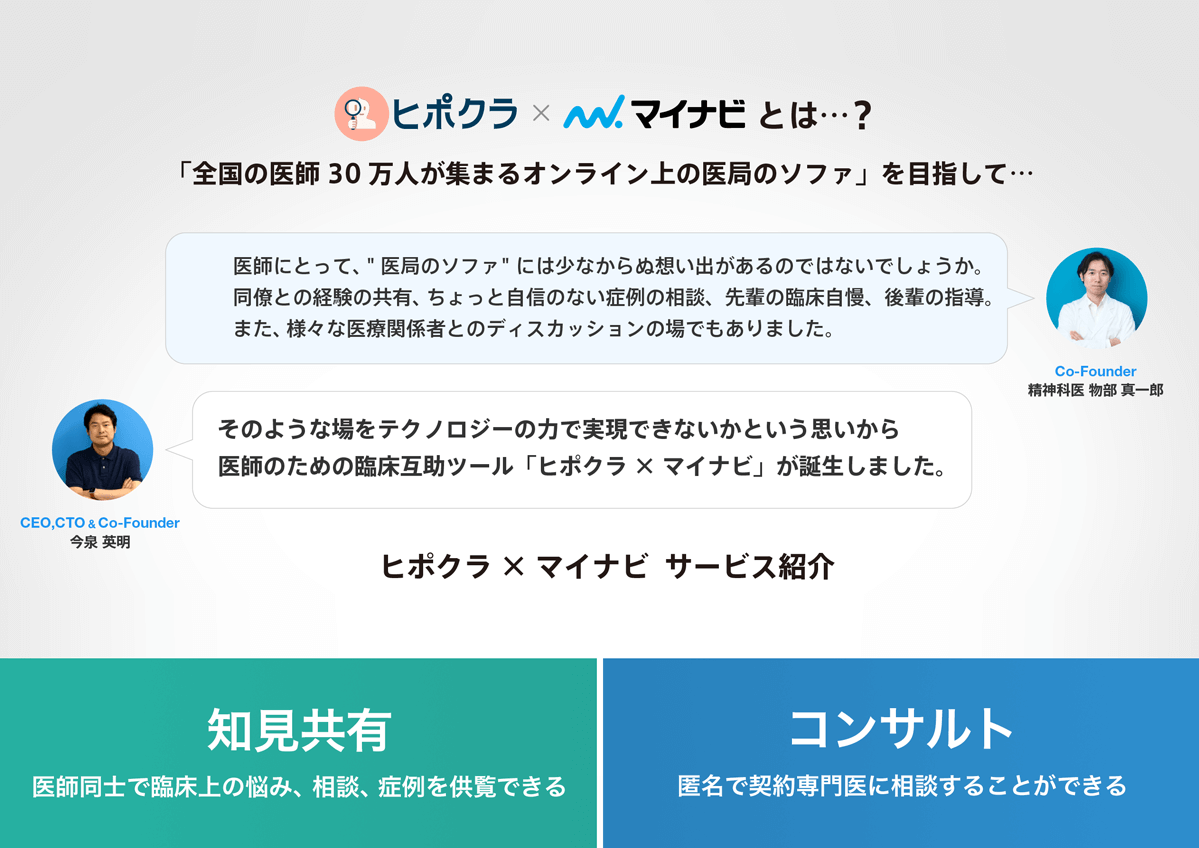
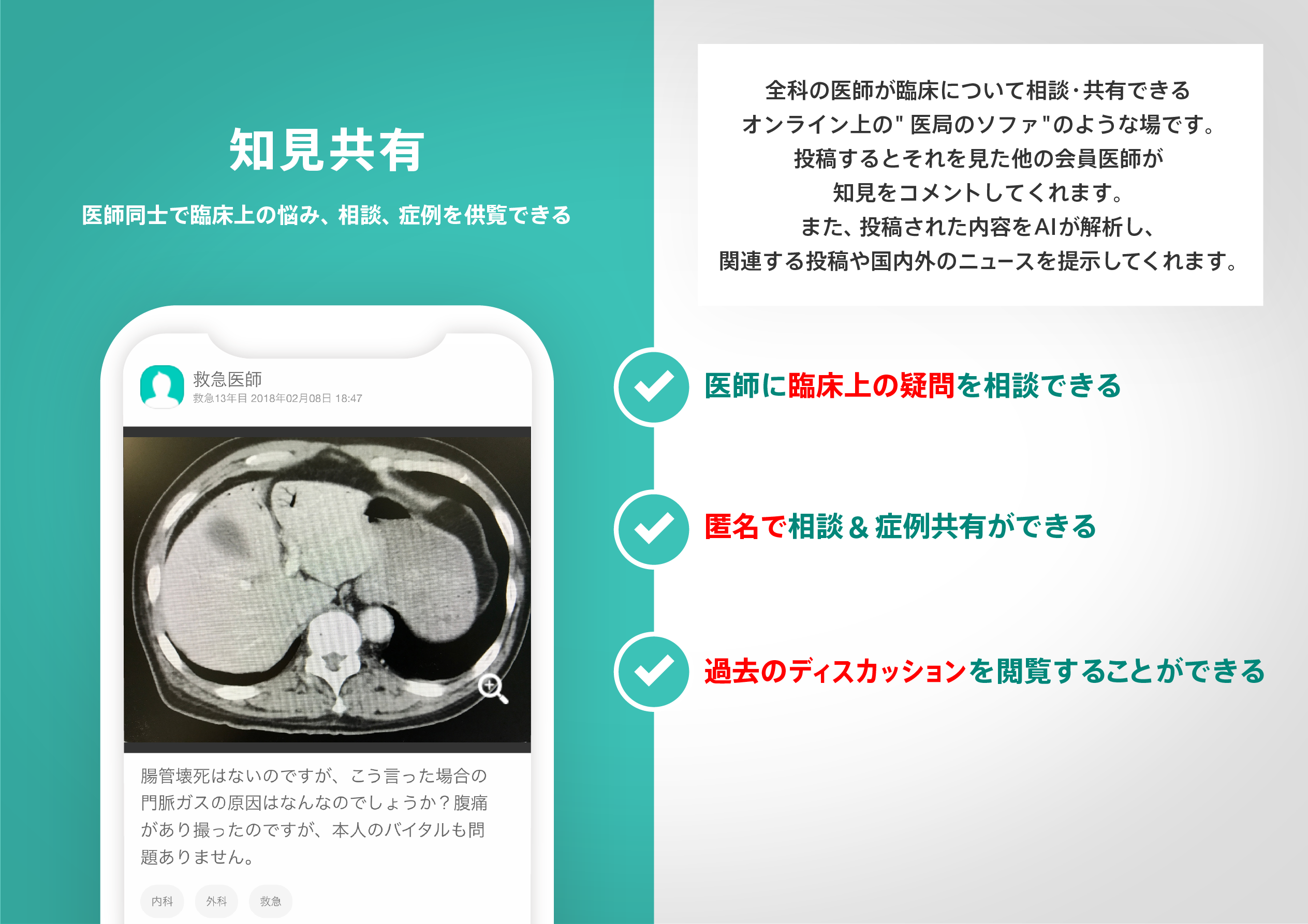
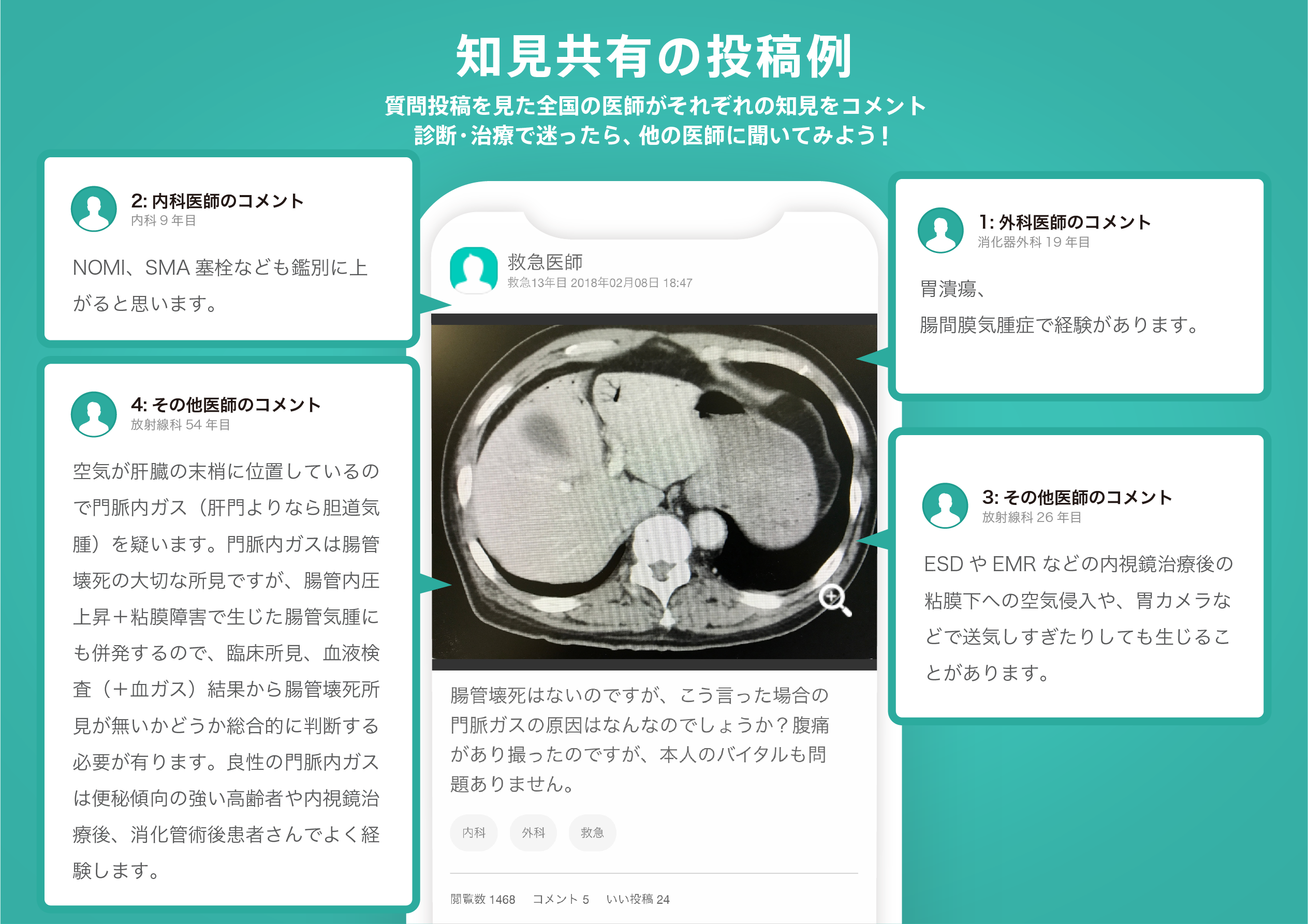
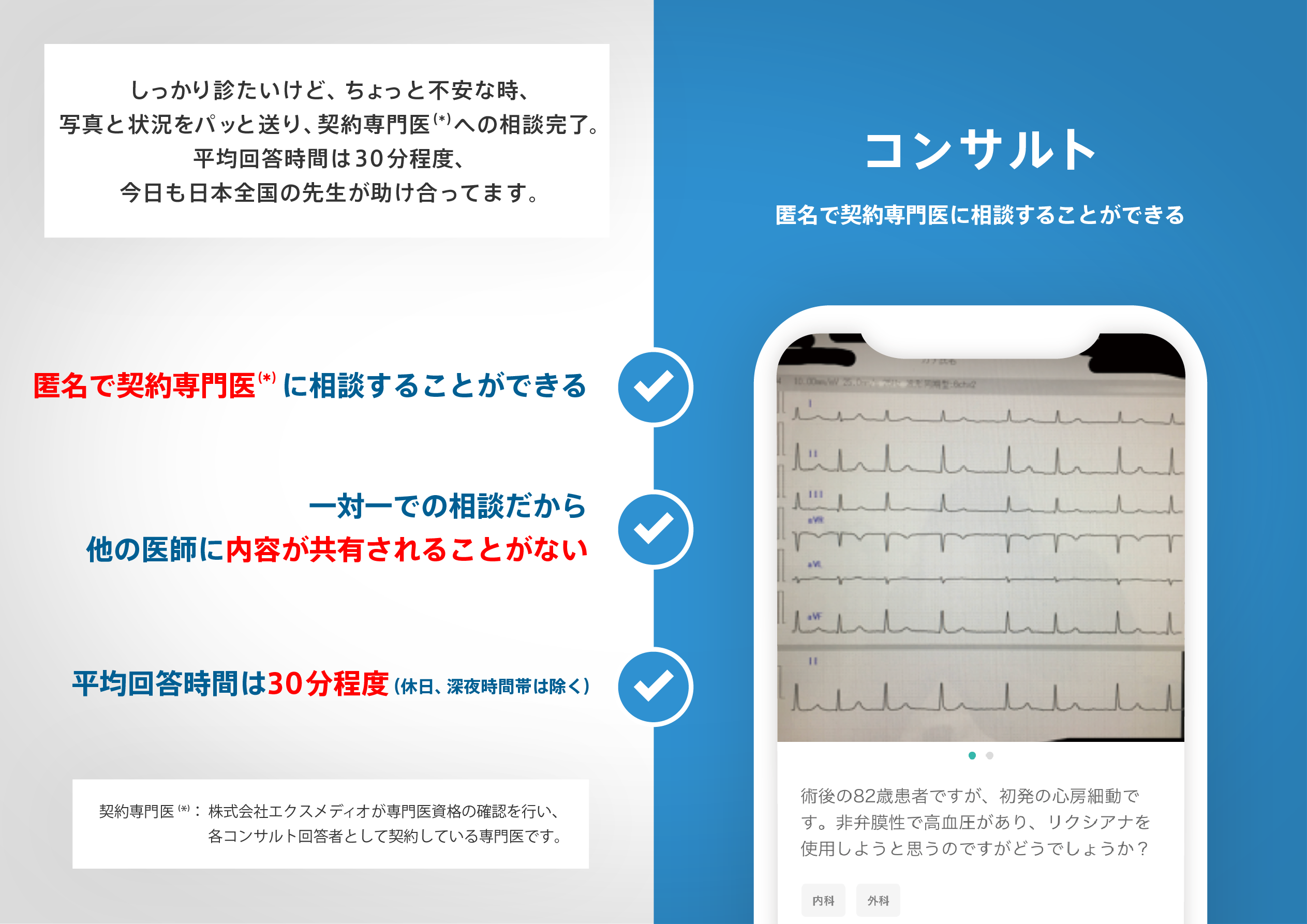
ヒポクラ x マイナビのご紹介

無料会員登録していただくと、さらに便利で効率的な検索が可能になります。