著名医師による解説が無料で読めます
すると翻訳の精度が向上します
ベンジミダゾール誘導体であるHoechst 33258は、化合物をL細胞培養に十分に高濃度(40マイクログラム/ml)で投与すると、マウス由来のL細胞染色体に構成的ヘテロクロマチンの脱凝縮を誘導できます。低濃度(1マイクログラム/ml、16時間)のHoechst 33258は、L細胞染色体にこの効果をもたらすことはできません。低濃度でのHoechST 33258治療と同時に、1つの細胞周期のブロモデオキシウリジン(Budr)の取り込みは、中期染色体におけるヘテロクロマチンセグメントを除去する可能性があります。しかし、ヘテロクロマチンの脱同調は非対称でした。1つの染色分体でのみ観察され、もう1つの染色体は凝縮状態に残っていました。Hoechst 33258によるヘテロクロマチンの非対称脱還元の観察1つの細胞周期のBudr取り込み、A-T Rich衛星DNAとマウスヘテロクロマチンとの関連、およびHoechst 33258のDNAのA-T塩基対およびより高いアフィニティの特定の結合に関する利用可能なデータの観察通常のDNAよりも、Budrの置換DNAに化合物の化合物は、Hoechst 33258分子のA-T Rich衛星DNAへの結合がヘテロクロマチンの脱同調の原因であることを暗示しています。
ベンジミダゾール誘導体であるHoechst 33258は、化合物をL細胞培養に十分に高濃度(40マイクログラム/ml)で投与すると、マウス由来のL細胞染色体に構成的ヘテロクロマチンの脱凝縮を誘導できます。低濃度(1マイクログラム/ml、16時間)のHoechst 33258は、L細胞染色体にこの効果をもたらすことはできません。低濃度でのHoechST 33258治療と同時に、1つの細胞周期のブロモデオキシウリジン(Budr)の取り込みは、中期染色体におけるヘテロクロマチンセグメントを除去する可能性があります。しかし、ヘテロクロマチンの脱同調は非対称でした。1つの染色分体でのみ観察され、もう1つの染色体は凝縮状態に残っていました。Hoechst 33258によるヘテロクロマチンの非対称脱還元の観察1つの細胞周期のBudr取り込み、A-T Rich衛星DNAとマウスヘテロクロマチンとの関連、およびHoechst 33258のDNAのA-T塩基対およびより高いアフィニティの特定の結合に関する利用可能なデータの観察通常のDNAよりも、Budrの置換DNAに化合物の化合物は、Hoechst 33258分子のA-T Rich衛星DNAへの結合がヘテロクロマチンの脱同調の原因であることを暗示しています。
A benzimidazole derivative, Hoechst 33258 can induce decondensation of constitutive heterochromatin in the mouse derived L cell chromosomes when the compound is given in sufficiently high concentration (40 micrograms/ml) to the L cell culture. Hoechst 33258 at low concentration (1 micrograms/ml, 16 h) cannot produce this effect on L cell chromosomes. Bromodeoxyuridine (BUdR) incorporation for one cell cycle simultaneous with the Hoechst 33258 treatment at low concentration could decondense heterochromatin segments in metaphase chromosomes. The heterochromatin decondensation, however, was asymmetric; it was observed only on one chromatid and the other of a chromosome remained in condensed state. The observation of asymmetric decondensation of heterochromatin by Hoechst 33258 after BUdR incorporation for one cell cycle, the association of A-T rich satellite DNA to mouse heterochromatin, and available data on the specific binding of Hoechst 33258 to A-T base pairs of DNA and on the higher affinity of the compound to BUdR substituted DNA than to ordinary DNA implied that the binding of Hoechst 33258 molecules to A-T rich satellite DNA is the cause of heterochromatin decondensation.
医師のための臨床サポートサービス
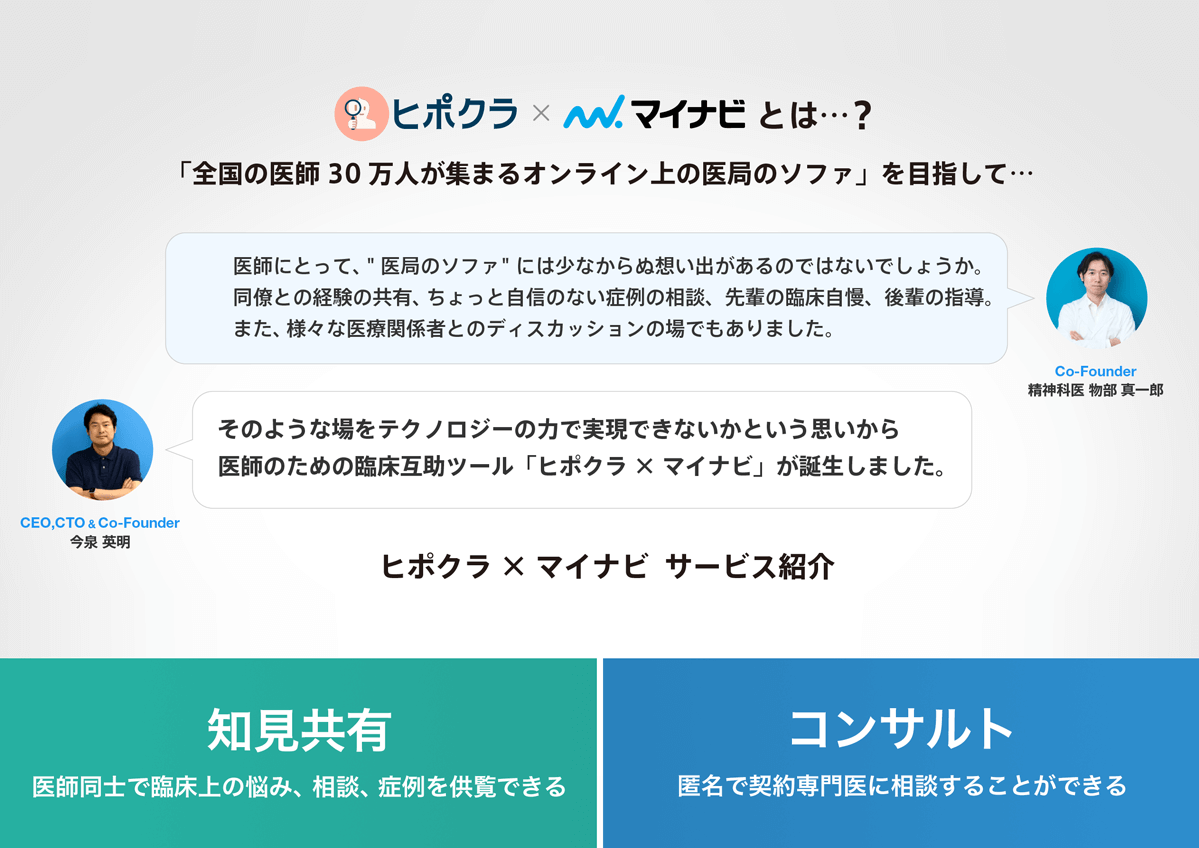
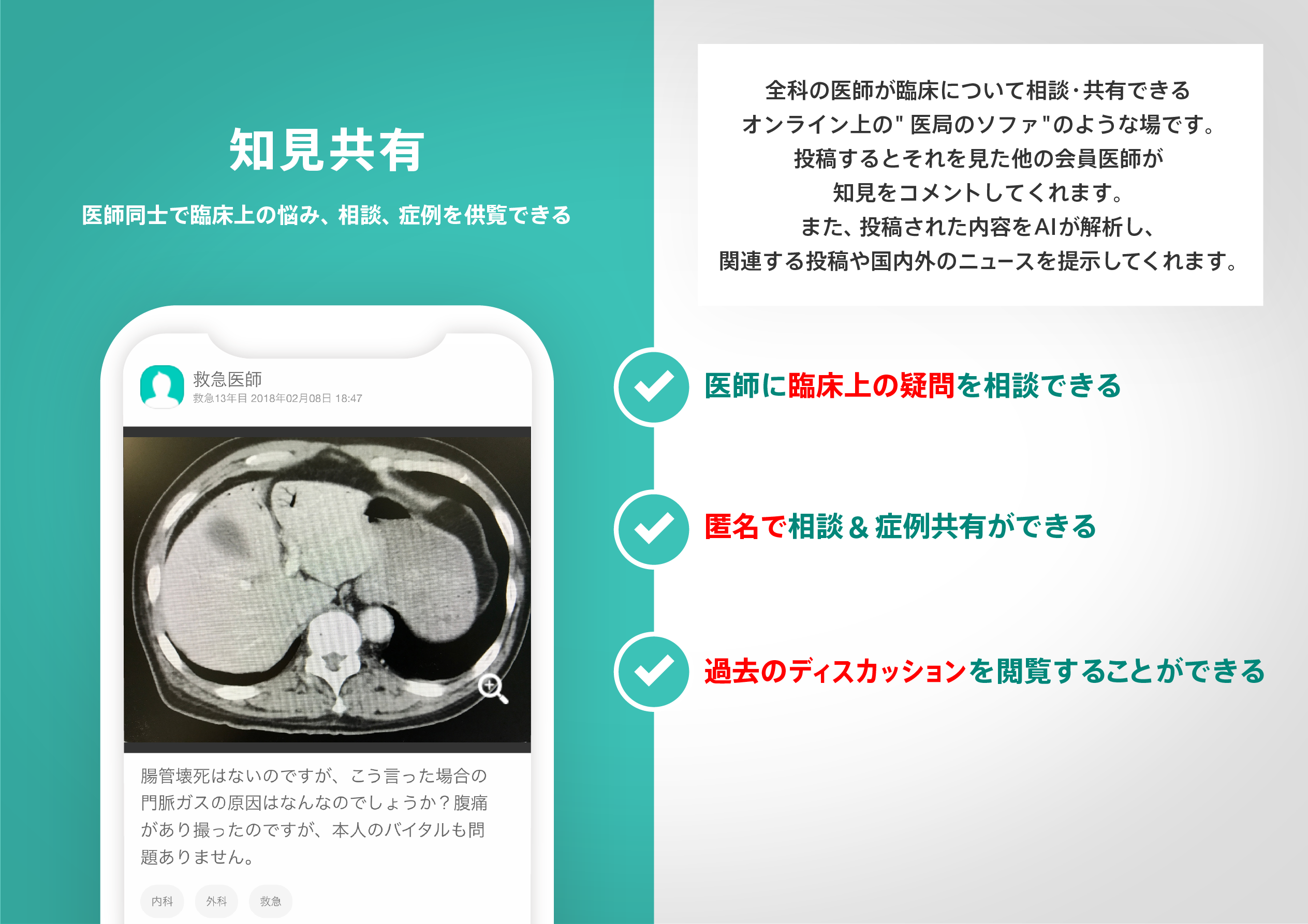
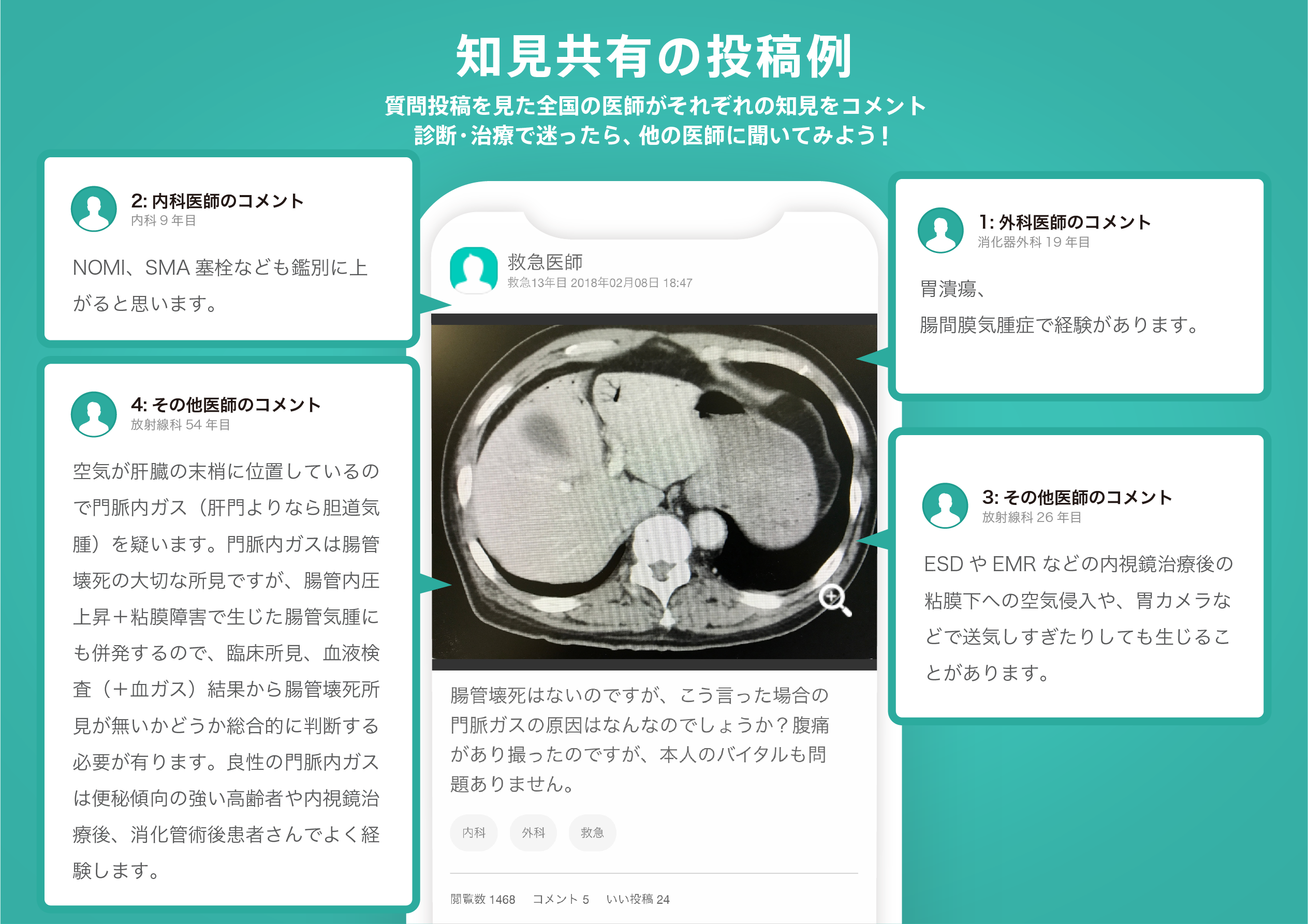
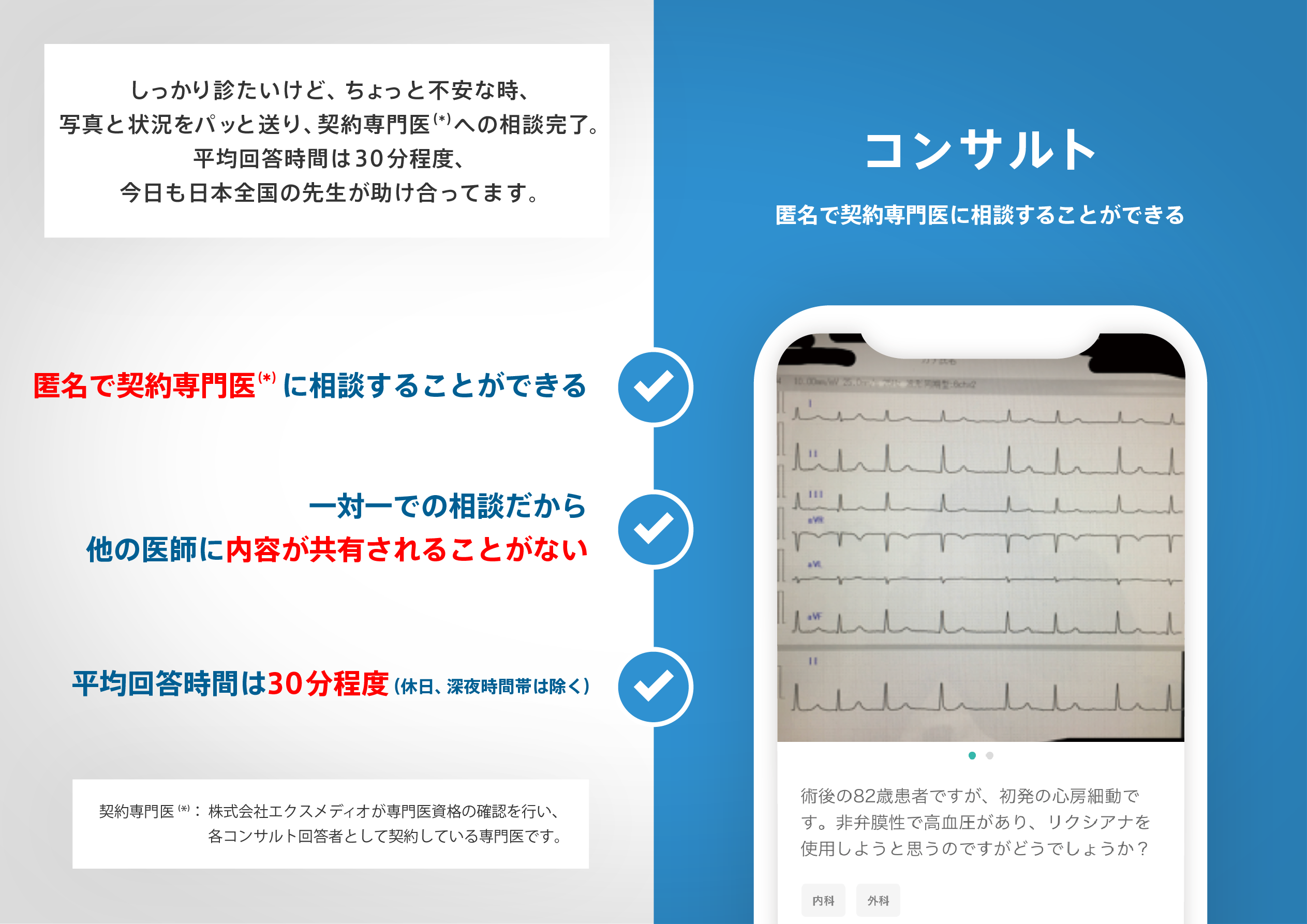
ヒポクラ x マイナビのご紹介

無料会員登録していただくと、さらに便利で効率的な検索が可能になります。