著名医師による解説が無料で読めます
すると翻訳の精度が向上します
性は、別々の系統で発生する有益な突然変異を同じゲノムで固定することを可能にします。このため、フィッシャーミュラーモデルは、同様に大きな無性人口よりも環境への適応がより速いと予測しています。複数のバクテリオファージが同じ宿主細胞に影響を与えると、性的生殖はRNAウイルスPhi6の集団で発生します。ここでは、性別が細菌の宿主であるPseudomonas phaseolicolaへのPhi6のより迅速な適応を好むかどうかを判断することにより、モデルの予測をテストしました。Phi6の複製集団は、250世代にわたって性別の存在または不在のいずれかで進化することを許可されました。すべての実験集団は、祖先と比較してフィットネスの大幅な増加を示しましたが、性別は適応率を高めませんでした。むしろ、性的治療と無性の治療も異なることがわかりました。なぜなら、ウイルス間の激しいイントラホスト競争は、共感染中に発生するからです。結果は、派生した性的ウイルスが共感染が一般的である場合にのみ選択的に好まれることを示し、ホスト内の競争が宿主を悪用するウイルスの能力を損なうことを示しています。したがって、イントラホスト競争によって生み出されたコストが強すぎたため、セックスは有利ではありませんでした。我々の発見は、高レベルの共感染がPHI6の集団にとって有益である可能性がある場合に最適な共感染を超えており、RNAウイルスで遺伝的対立が進化する可能性があることを示唆しています。
性は、別々の系統で発生する有益な突然変異を同じゲノムで固定することを可能にします。このため、フィッシャーミュラーモデルは、同様に大きな無性人口よりも環境への適応がより速いと予測しています。複数のバクテリオファージが同じ宿主細胞に影響を与えると、性的生殖はRNAウイルスPhi6の集団で発生します。ここでは、性別が細菌の宿主であるPseudomonas phaseolicolaへのPhi6のより迅速な適応を好むかどうかを判断することにより、モデルの予測をテストしました。Phi6の複製集団は、250世代にわたって性別の存在または不在のいずれかで進化することを許可されました。すべての実験集団は、祖先と比較してフィットネスの大幅な増加を示しましたが、性別は適応率を高めませんでした。むしろ、性的治療と無性の治療も異なることがわかりました。なぜなら、ウイルス間の激しいイントラホスト競争は、共感染中に発生するからです。結果は、派生した性的ウイルスが共感染が一般的である場合にのみ選択的に好まれることを示し、ホスト内の競争が宿主を悪用するウイルスの能力を損なうことを示しています。したがって、イントラホスト競争によって生み出されたコストが強すぎたため、セックスは有利ではありませんでした。我々の発見は、高レベルの共感染がPHI6の集団にとって有益である可能性がある場合に最適な共感染を超えており、RNAウイルスで遺伝的対立が進化する可能性があることを示唆しています。
Sex allows beneficial mutations that occur in separate lineages to be fixed in the same genome. For this reason, the Fisher-Muller model predicts that adaptation to the environment is more rapid in a large sexual population than in an equally large asexual population. Sexual reproduction occurs in populations of the RNA virus phi6 when multiple bacteriophages coinfect the same host cell. Here, we tested the model's predictions by determining whether sex favors more rapid adaptation of phi6 to a bacterial host, Pseudomonas phaseolicola. Replicate populations of phi6 were allowed to evolve in either the presence or absence of sex for 250 generations. All experimental populations showed a significant increase in fitness relative to the ancestor, but sex did not increase the rate of adaptation. Rather, we found that the sexual and asexual treatments also differ because intense intrahost competition between viruses occurs during coinfection. Results showed that the derived sexual viruses were selectively favored only when coinfection is common, indicating that within-host competition detracts from the ability of viruses to exploit the host. Thus, sex was not advantageous because the cost created by intrahost competition was too strong. Our findings indicate that high levels of coinfection exceed an optimum where sex may be beneficial to populations of phi6, and suggest that genetic conflicts can evolve in RNA viruses.
医師のための臨床サポートサービス
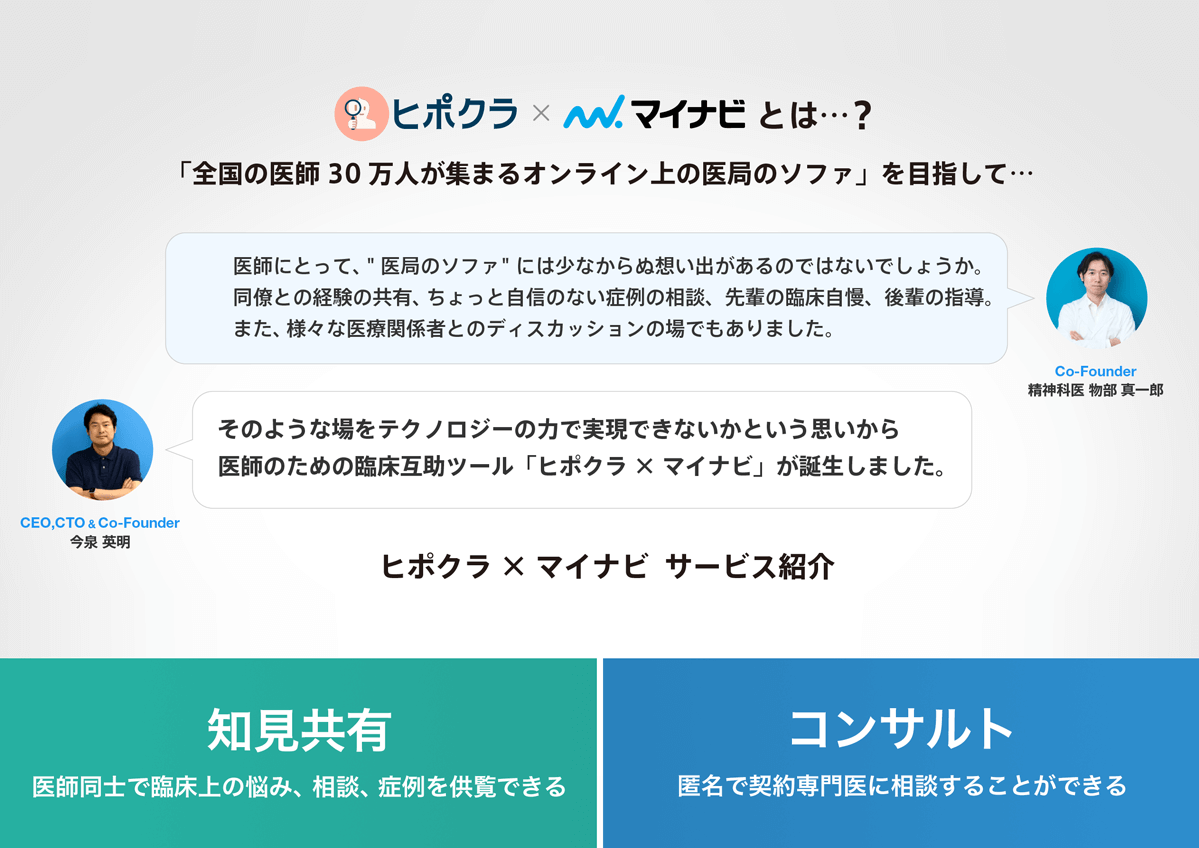
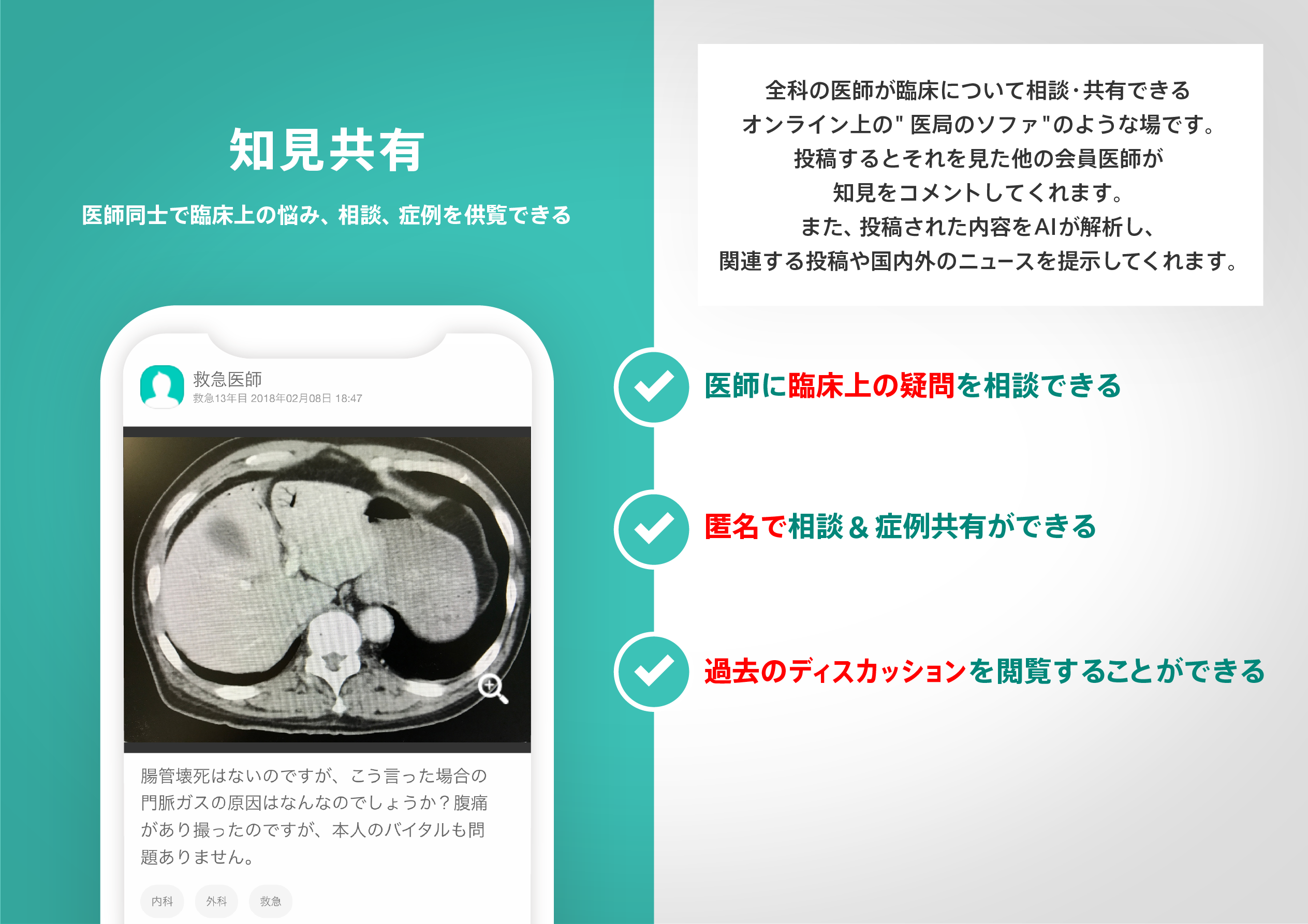
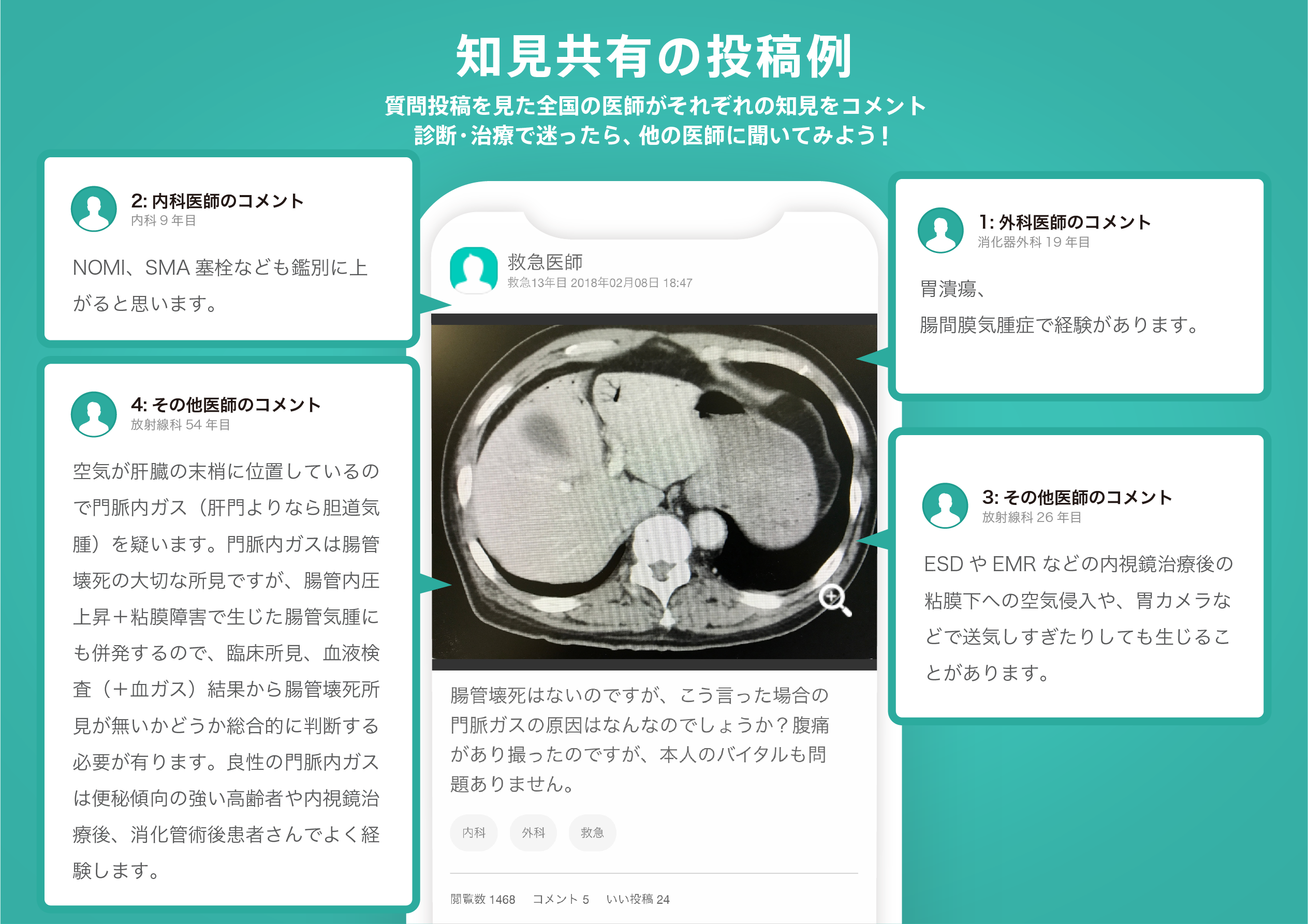
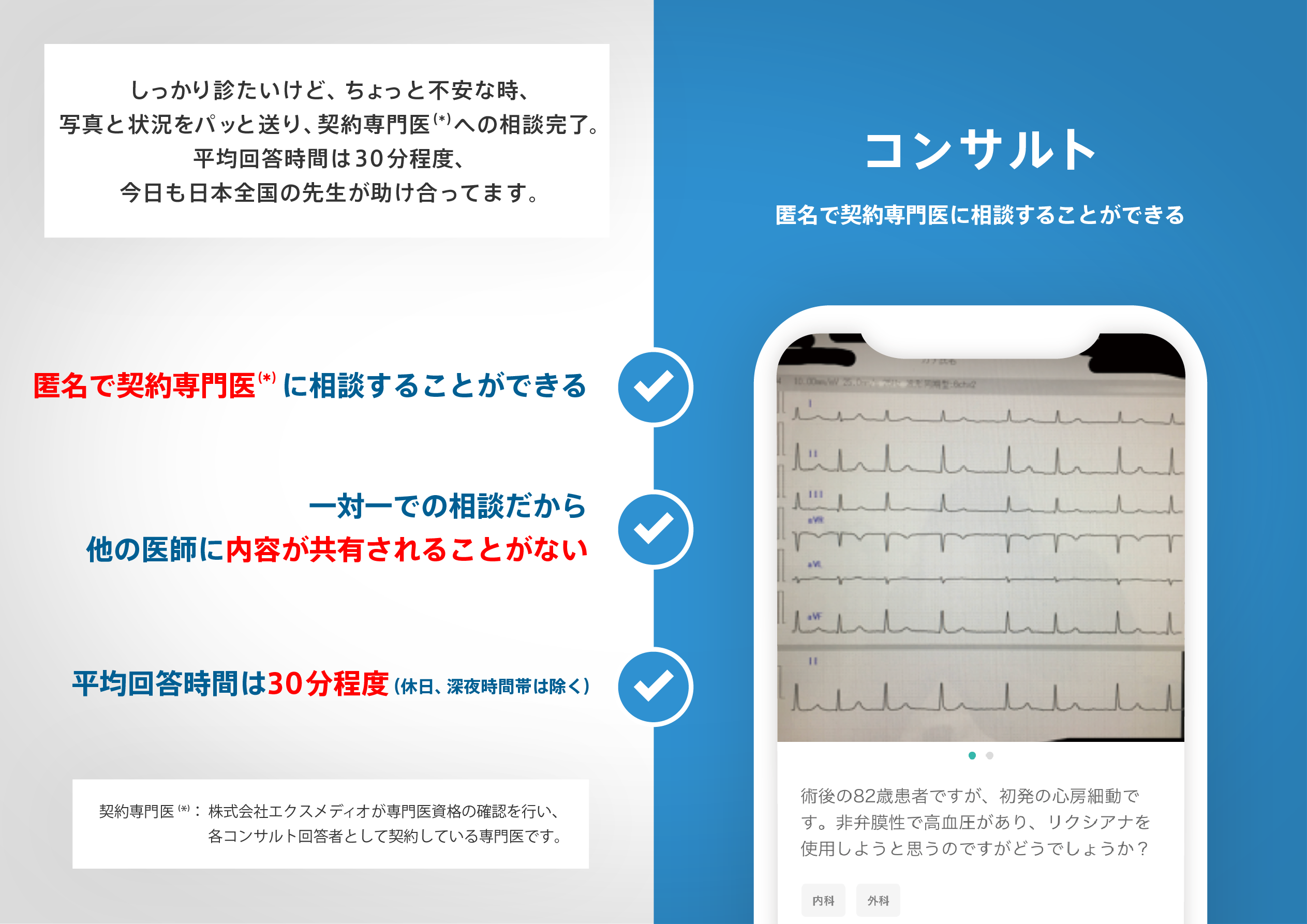
ヒポクラ x マイナビのご紹介

無料会員登録していただくと、さらに便利で効率的な検索が可能になります。